


Common buying question
Slow drying on aluminum sheets before packing or inspection
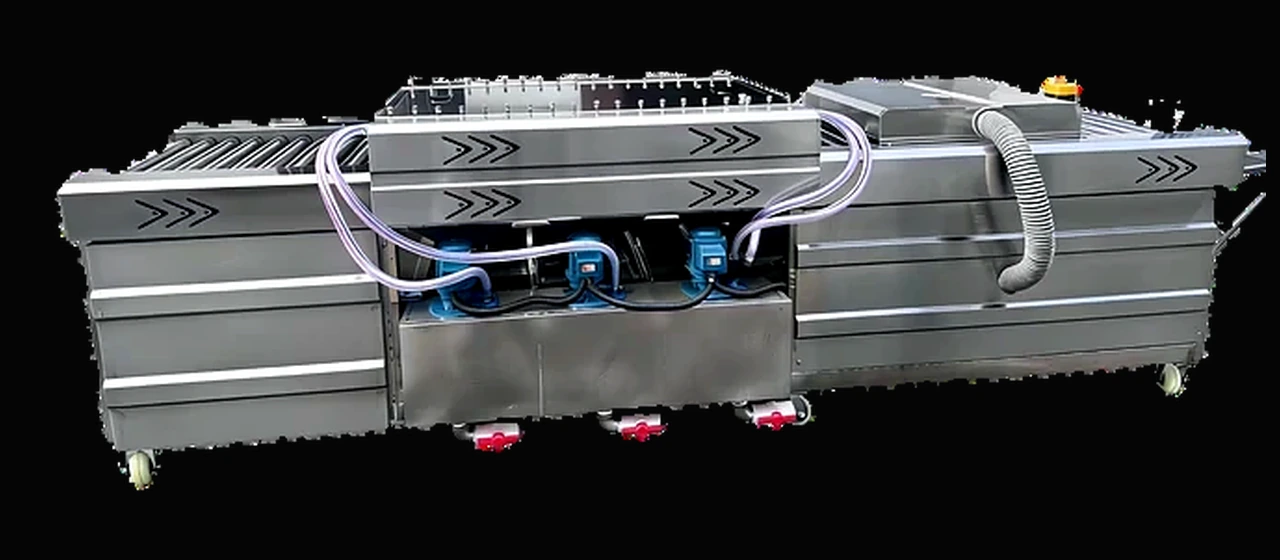
Slow drying on aluminum sheets is usually a line-balance problem, not only an air-volume problem. Buyers need to compare drying demand, sheet size, line speed, and water carry-over together before packing or inspection can stay stable.
When buyers open this page
Usually a fit when these things are true
- Aluminum sheets still carry water or drying streaks before packing or inspection.
- Line speed and drying demand do not stay stable across the sheet range.
- Manual wiping is being used to compensate for weak drying before packing.
- The next process needs a drier and more consistent sheet handoff.
Check these points first
Do not choose the route from one symptom alone
Check whether the real problem is line speed, residual water volume, weak unloading handoff, or drying time mismatch across the sheet range.
Use the widest and slowest-to-dry sheet in the family, not only the easiest sample, when judging the route.
Define whether the sheet must be fully pack-ready, inspection-ready, or simply dry enough for the next station.
Judge whether people are still wiping, slowing the line, or separating sheets manually after the machine.
Quick visual check
What this issue usually looks like on the line before asking price
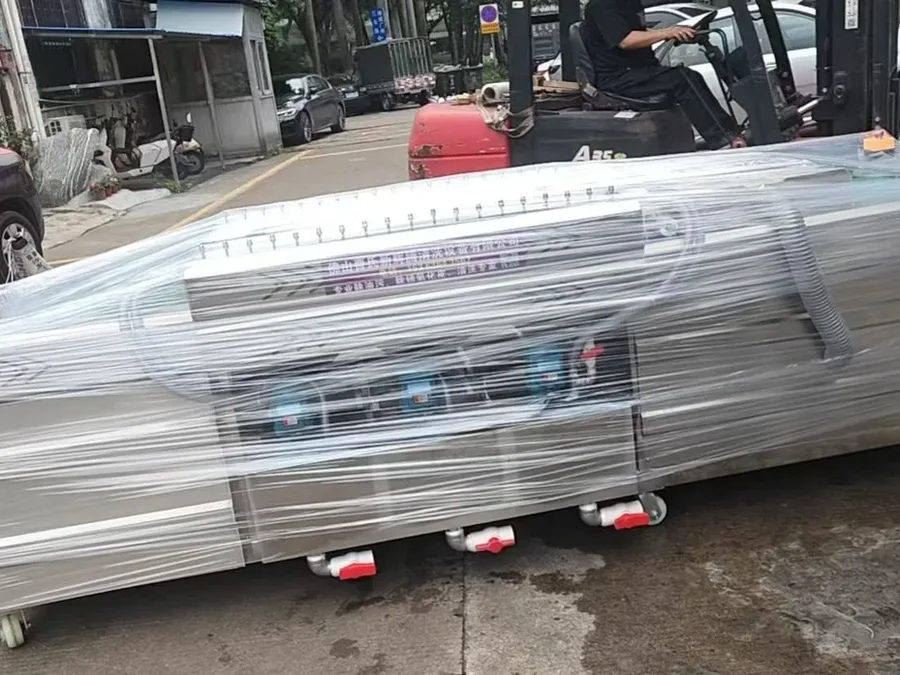
Start from the residue that keeps blocking stable output
Aluminum sheets still carry water or drying streaks before packing or inspection.
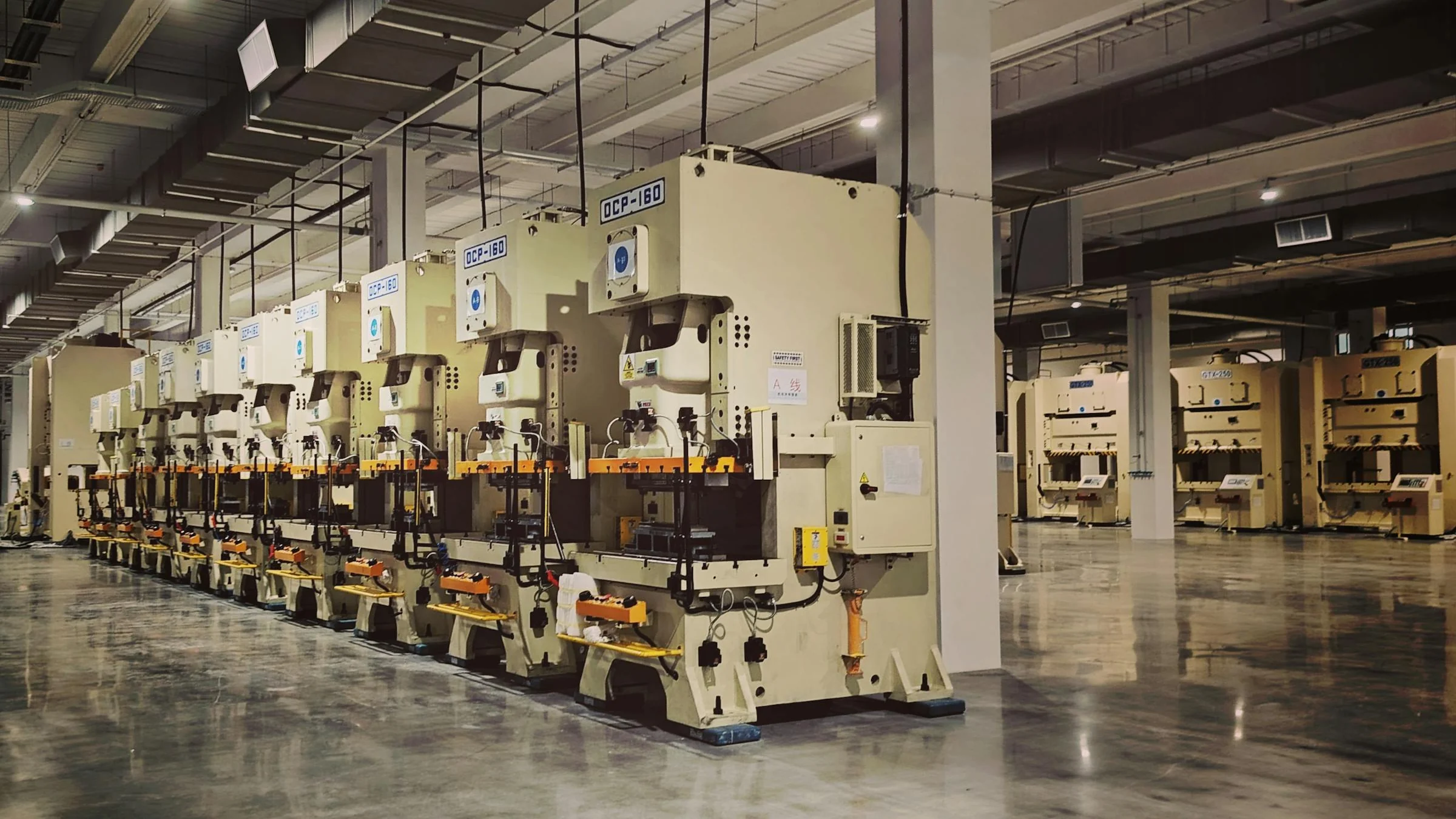
Check line speed against sheet size
Wide sheets, higher throughput, and stronger drying expectations need to be checked together before machine selection.
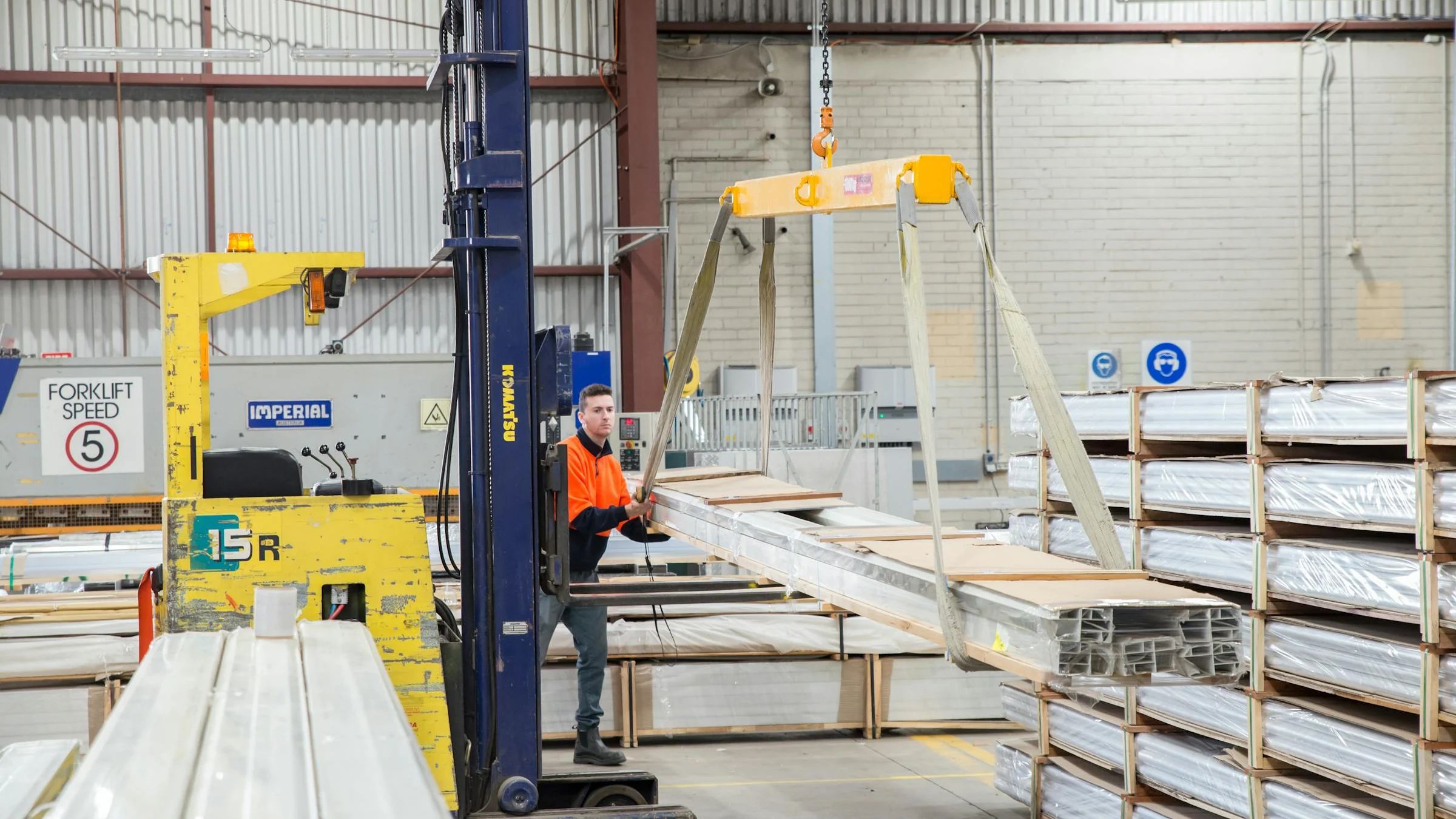
The target is the next process, not only a cleaner-looking part
Send voltage, drainage, output target, loading side, unloading protection, and how operators handle the sheets after drying.
Routes to compare
Machine pages buyers usually compare here
Use this when flat aluminum sheet projects need a better matched washing and drying route before packing or inspection.
Aluminum Plate Heavier residue Two Water Tank Cleaning MachineCompare this when stronger residue or rinse contamination makes the drying problem worse across batches.
Two Tank For flatter parts Flat Hardware Tool Cleaning MachineReview this when the workpiece family is closer to smaller flat parts rather than wider aluminum sheet handling.
Flat HardwareHow buyers narrow it down
How to qualify the issue before asking for a quote
- 01
Confirm the real drying failure
Share video or photos showing where water remains: after washing, after air drying, at unloading, or only when packing starts.
- 02
Check line speed against sheet size
Wide sheets, higher throughput, and stronger drying expectations need to be checked together before machine selection.
- 03
Match the final handoff
Clarify whether the sheet goes to packing, inspection, shipment preparation, or temporary storage after drying.
- 04
Prepare workshop facts
Send voltage, drainage, output target, loading side, unloading protection, and how operators handle the sheets after drying.
For a useful quote
Send these details
- Aluminum sheet size range, thickness, and current line speed
- Photos or video of water carry-over or slow drying before packing
- Downstream process after cleaning and drying
- Voltage, drainage, output target, and destination country
Check before order
Not the right fit when
- Curved or formed panels that cannot feed flat through the conveyor
- Projects where the real drying failure cannot be shown with photos or video
- Sheets already damaged before washing
Buyer questions
Questions buyers usually want answered before they inquire
What machine is usually compared when aluminum sheets dry too slowly before packing?
Buyers usually start with a flat-sheet cleaning line and then compare whether the washing route, drying demand, and line speed are actually matched to the sheet size range.
Why is slow drying on aluminum sheets not only a blower problem?
Because the real issue can also be line speed, residual water volume, sheet size, unloading behavior, and operator handoff rather than air strength alone.
What details help diagnose slow-drying aluminum projects faster?
Video of the drying failure, sheet size range, current line speed, and the exact point where water remains are the most useful facts to send first.