


Common buying questions
Common Buying Questions About Industrial Cleaning
Choose by the residue and final handling target first. The machine recommendation is clearer when the oil, water mark, dust, drying, and packing risk are separated.
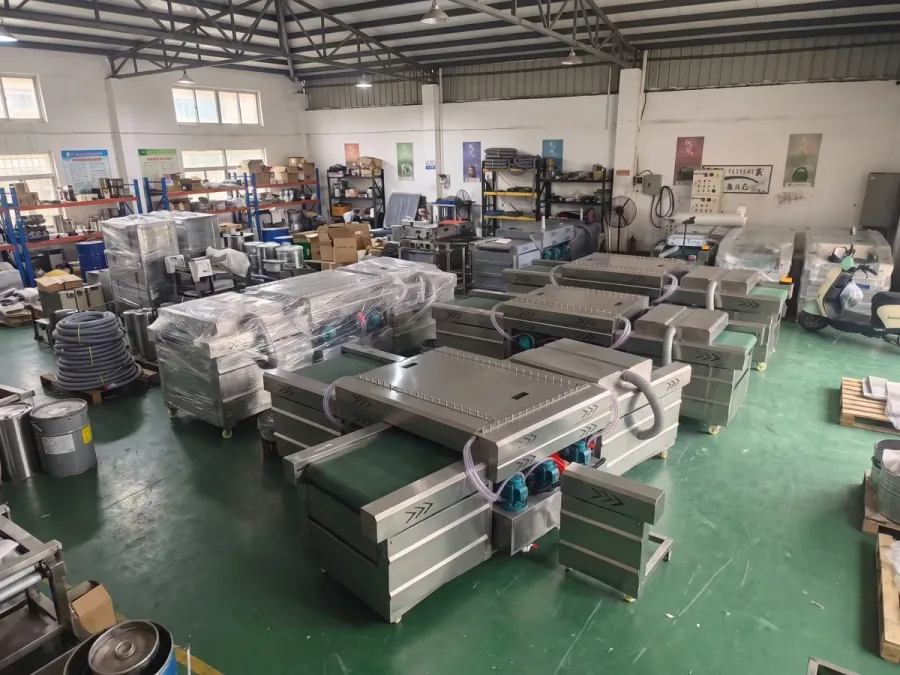
How buyers usually move here
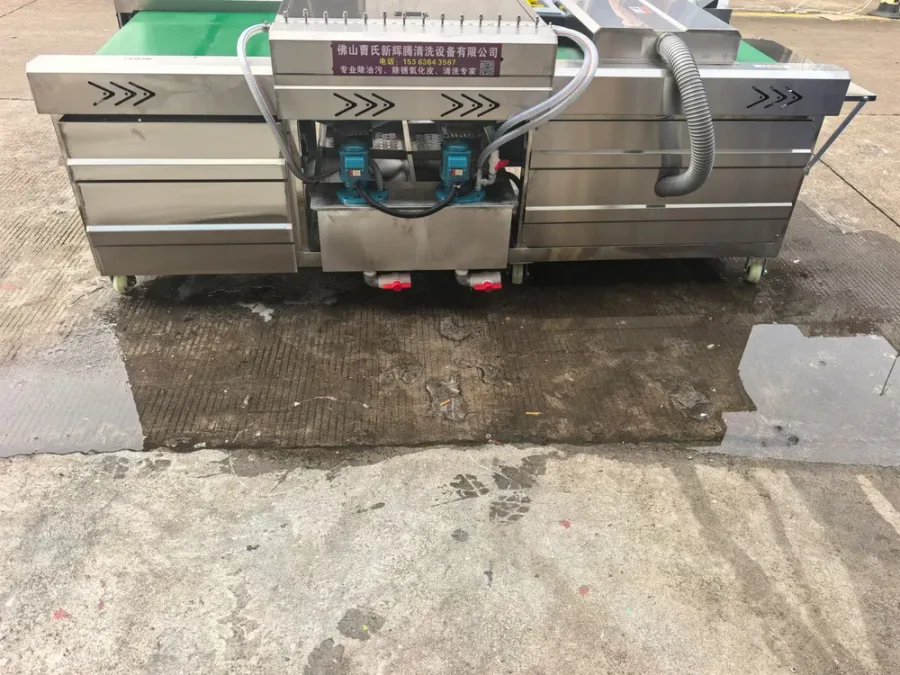
Start here when rough washing, rinse separation, and drying stability are the core buying issue.
Use this route when the main target is dry-enough, complaint-free packing instead of a single residue type.
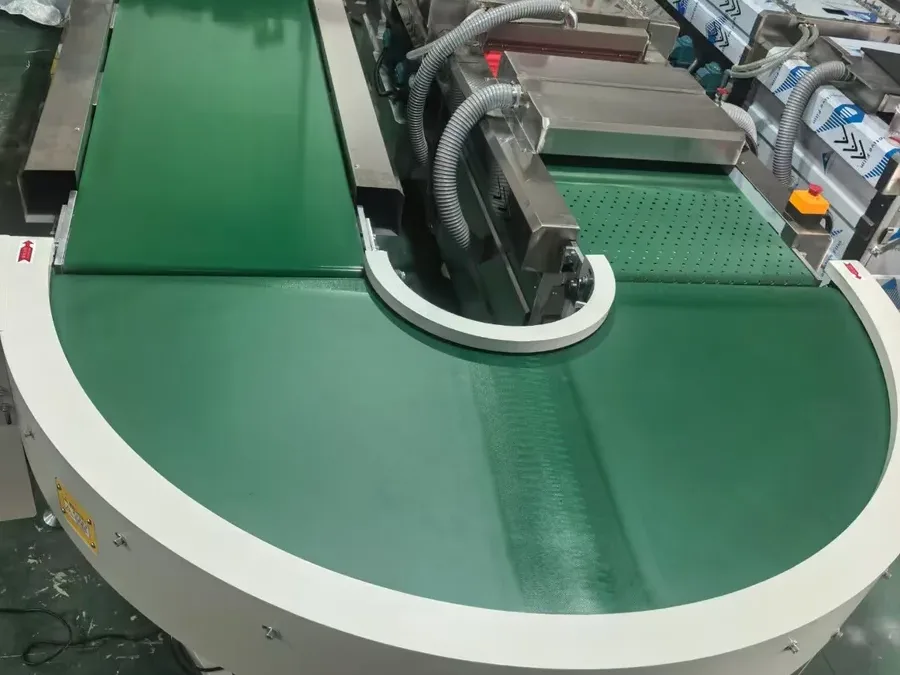
Jump to glass, sheet, and flat-part scenarios when the project is defined more by part family than residue.
Common issue
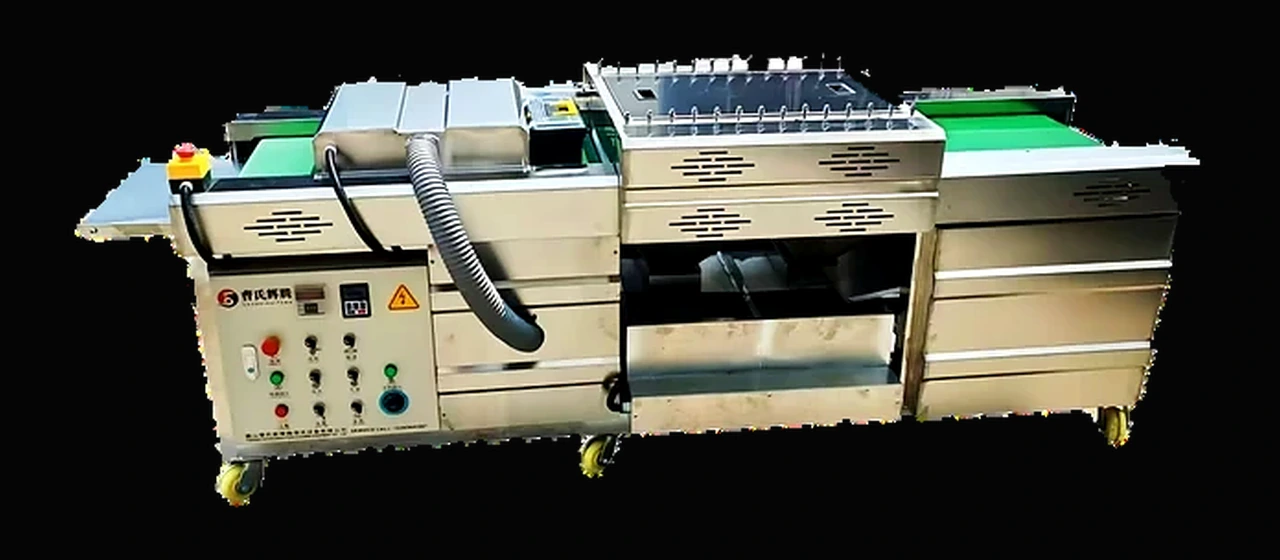
Heavy oil removal from metal parts
Heavy oil removal is not just a pressure question. The right cleaning line depends on oil load, part geometry, chip volume, water temperature, filtration, and whether rough washing should be separated from final rinsing.
Open issue guide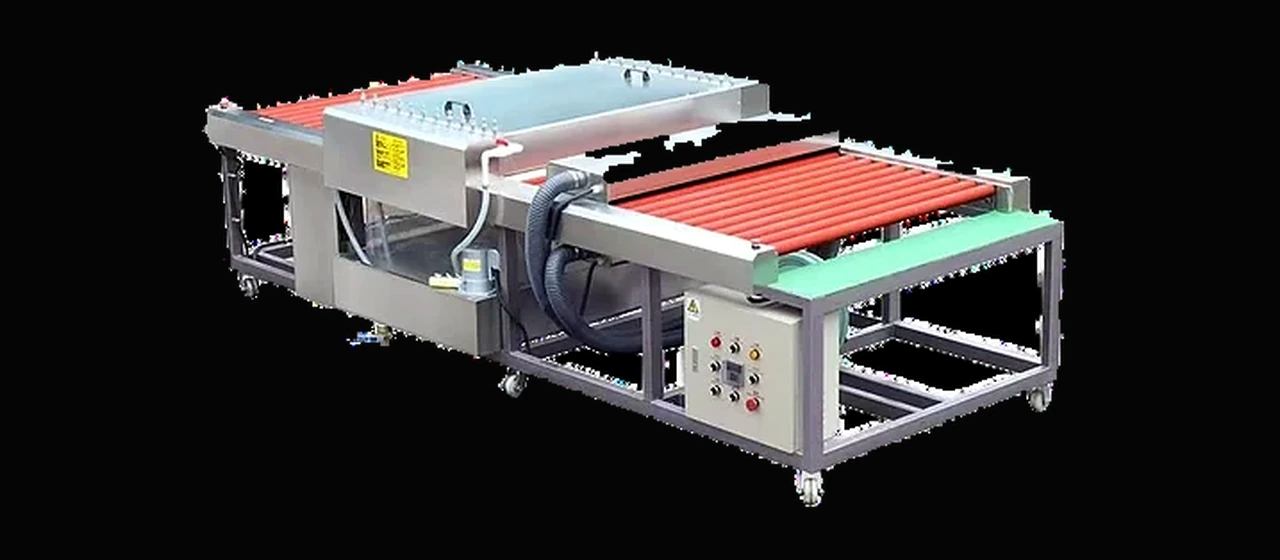
Common issue
Water mark removal from glass panels after washing
Water marks usually come from more than one cause: water quality, residue left before rinsing, line speed, drying strength, and surface handling. A useful machine recommendation starts with the panel condition and drying target.
Open issue guide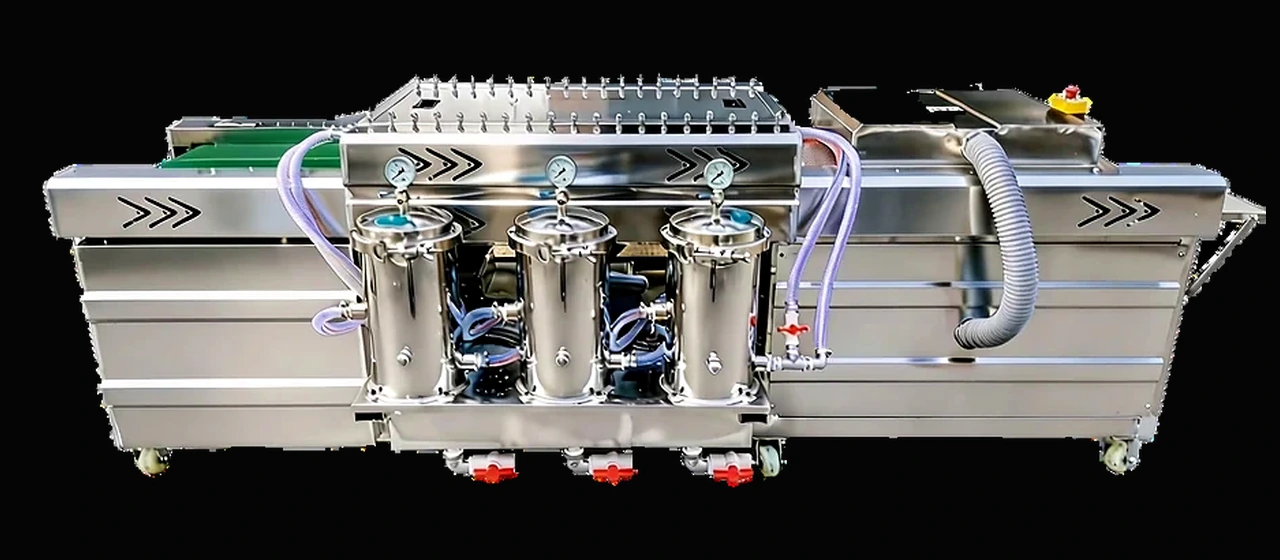
Common issue
Cleaning flat parts before packing
Before-packing cleaning is about consistency. The machine should remove the visible residue, dry the part enough for packing, and fit the real part range instead of only the easiest sample.
Open issue guide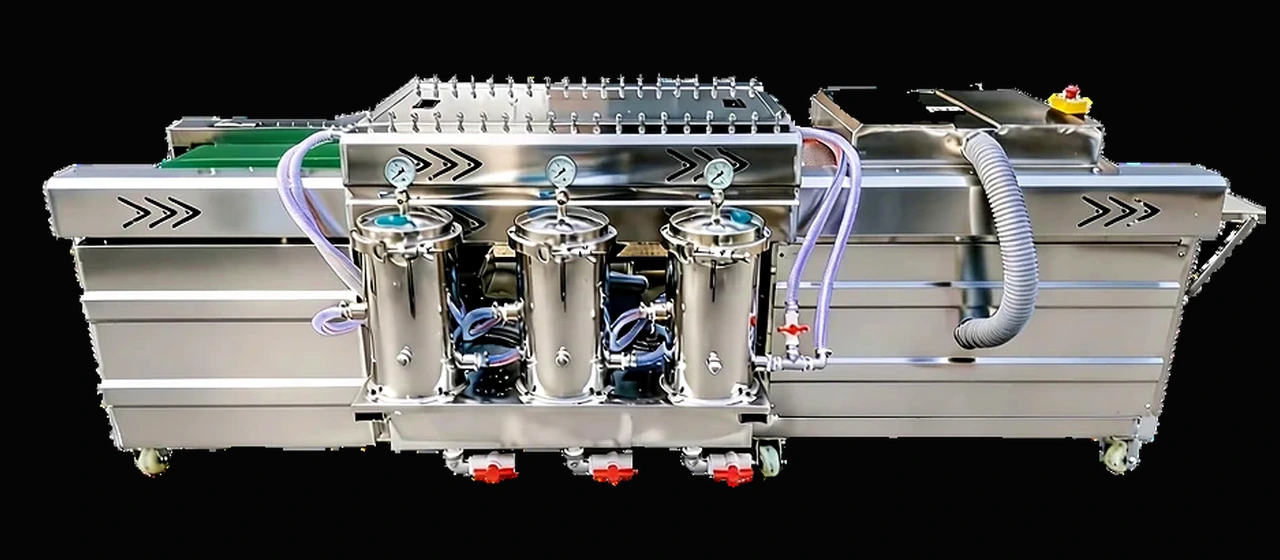
Common issue
Polishing compound removal from flat metal parts
Polishing compound removal is usually harder than light oil cleaning because the residue can smear, collect in edges or holes, and return during rinsing. A useful machine choice depends on part flatness, residue thickness, and how clean the final surface needs to be.
Open issue guide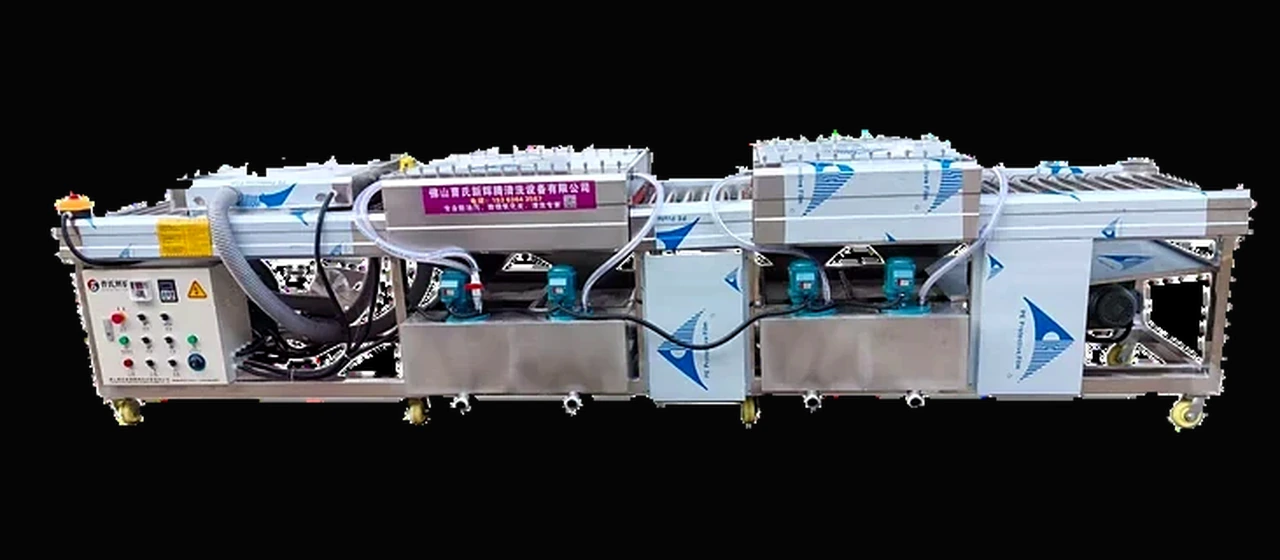
Common issue
Dust removal from acrylic sheets before packing or film lamination
Dust removal from acrylic sheets is usually not only a washing issue. Buyers often deal with static-attracted particles, visible marks after wiping, and unstable handoff before packing or film lamination. The useful route depends on sheet flatness, surface sensitivity, and drying control.
Open issue guide Common issue
Metal chip removal from machined flat parts before coating or packing
Metal chip removal becomes difficult when chips, oil, and fine residue circulate back onto the part. The useful route depends on whether the parts stay flat on the line, whether one wash stage gets dirty too quickly, and how clean the part must be before the next process.
Open issue guide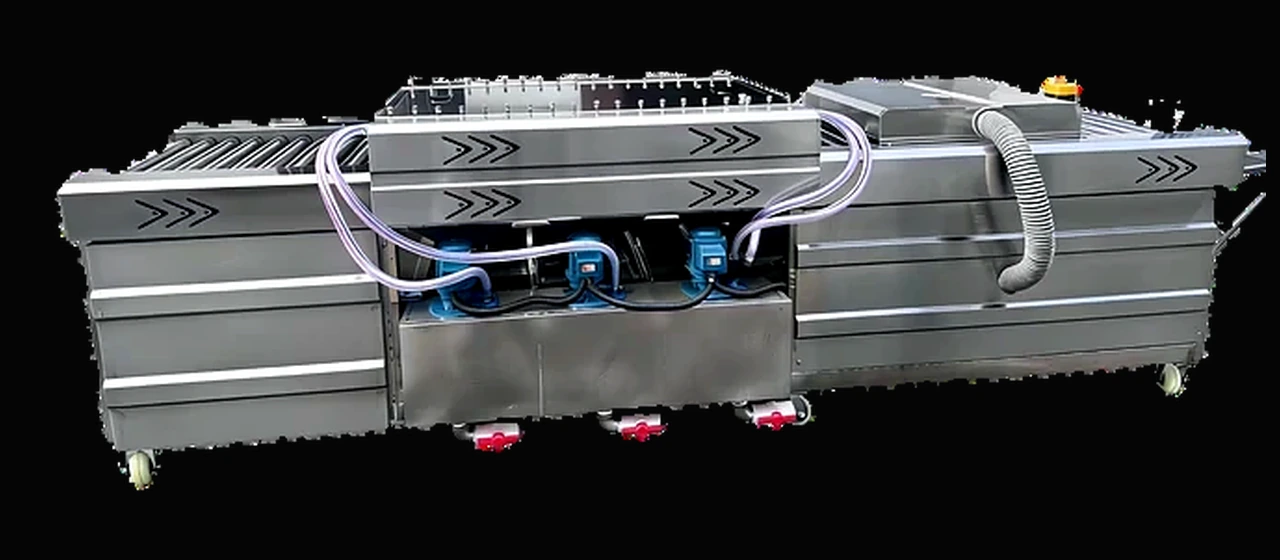
Common issue
Oil film removal from stainless steel sheets before lamination or packing
Oil film removal from stainless steel sheets is usually a surface-stability problem, not only a washing-force problem. Buyers need to remove handling oil and light residue while keeping the sheet dry and visually consistent before lamination, inspection, or packing.
Open issue guide Common issue
Water mark removal from acrylic sheets after washing
Water marks on acrylic sheets usually come from a mix of drying, water quality, handling, and surface sensitivity. Buyers need to reduce visible marks without creating new scratches or unstable panel transfer before packing, lamination, or inspection.
Open issue guide Common issue
Dust removal from glass before screen printing or inspection
Dust removal from glass before screen printing is usually about visible surface stability, not only washing power. Buyers need to stop dust and fine particles from returning before printing, inspection, or packing while keeping the glass safe enough for repeatable transfer.
Open issue guide Common issue
Oil stain removal from aluminum sheets before packing or lamination
Oil stain removal from aluminum sheets is usually a surface-stability problem more than a pressure problem. Buyers need to remove handling oil, wipe marks, and water carry-over while keeping the sheet dry and visually consistent before packing or lamination.
Open issue guide Common issue
Water spot removal from glass before packing or final inspection
Water spots on glass before packing usually come from a mix of water quality, drying, residue carry-over, and handling. Buyers need to reduce visible marks while keeping the glass safe enough for final inspection, packing, or shipment.
Open issue guide Common issue
Black residue removal from hardware before coating or inspection
Black residue removal from hardware is usually harder than light oil cleaning because the residue can smear, collect in edges, and carry over into the rinse. Buyers need a route that can support stable cleaning before coating, inspection, or assembly.
Open issue guide Common issue
Slow drying on glass after washing before packing or shipment
Slow drying on glass is often a line-balance problem, not only an air-volume problem. Buyers need to compare drying demand, panel size, line speed, and water carry-over together before packing or shipment can become stable.
Open issue guide Common issue
How to prepare a hardware cleaning machine quotation
A weak hardware cleaning quotation usually comes from missing project facts, not from missing price tables. Buyers need to clarify part geometry, residue behavior, output target, drying standard, and workshop limits before a machine family can be judged correctly.
Open issue guide Common issue
Slow drying on aluminum sheets before packing or inspection
Slow drying on aluminum sheets is usually a line-balance problem, not only an air-volume problem. Buyers need to compare drying demand, sheet size, line speed, and water carry-over together before packing or inspection can stay stable.
Open issue guide Common issue
How to prepare a stainless steel sheet cleaning quotation
A weak stainless steel sheet cleaning quotation usually comes from missing project facts, not missing price tables. Buyers need to clarify sheet finish, residue behavior, output target, drying standard, and shipment needs before a machine route can be judged correctly.
Open issue guide Common issue
Static dust removal from acrylic sheets before film lamination
Static dust on acrylic sheets is not only a washing problem. The buying decision depends on surface sensitivity, dust return after wiping, water quality, drying stability, and whether the sheet goes directly to film lamination or packing.
Open issue guide Common issue
Metal blank cleaning before coating or painting
Metal blank cleaning before coating fails when oil, chips, dust, or water carry-over reaches the next process. The useful machine route depends on blank size, flatness, residue load, drying standard, and whether the downstream process is painting, powder coating, inspection, or packing.
Open issue guide Common issue
Oil film removal from aluminum sheets before lamination
Oil film on aluminum sheets becomes a buying problem when lamination, coating, packing, or sample approval exposes surface marks. The route depends on sheet width, oil load, surface sensitivity, drying target, and whether the cleaned sheet goes directly to the next process.
Open issue guide Common issue
Tank cleaning machine for heavy oil metal parts
A tank cleaning machine project usually starts when one wash stage becomes dirty too quickly. For heavy oil metal parts, the real decision is whether rough washing, finer rinsing, filtration, and drying should be separated so the final surface stays stable across batches.
Open issue guide