


Product buying guide
Acrylic Board Cleaning Machine
Use this acrylic board cleaning machine for flat plastic panels that need gentle brush cleaning and controlled drying without adding manual transfer steps.
Cleaning problems this machine is built for
- Dust on acrylic boards
- Water marks after rinsing
- Panel surface preparation
- Moisture left before packing
Send these details for a faster quote
- Board material and surface condition
- Panel width and thickness
- Scratch sensitivity
- Drying requirement
- Production line handoff
Buyer questions for this machine
Will acrylic boards be scratched?
Brush type, water filtration, and pressure should be confirmed against the acrylic surface. For cosmetic parts, sample confirmation is recommended.
Can cleaning and drying finish in one pass?
Yes. The process is designed around conveyor feeding, washing, water absorption, and air drying in one line.
Quick visual screen
Use the part, residue, and switch-point to judge whether this machine belongs in the shortlist
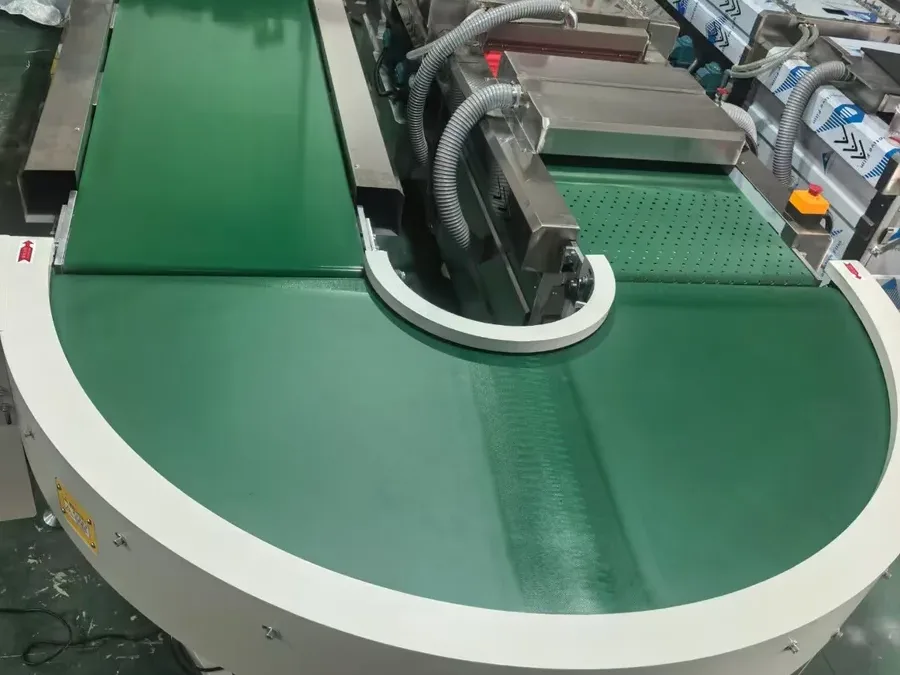
Typical parts this machine is shortlisted for
- Acrylic boards
- Flat plastic boards
- Covers and panels
- Pre-oiling surface preparation
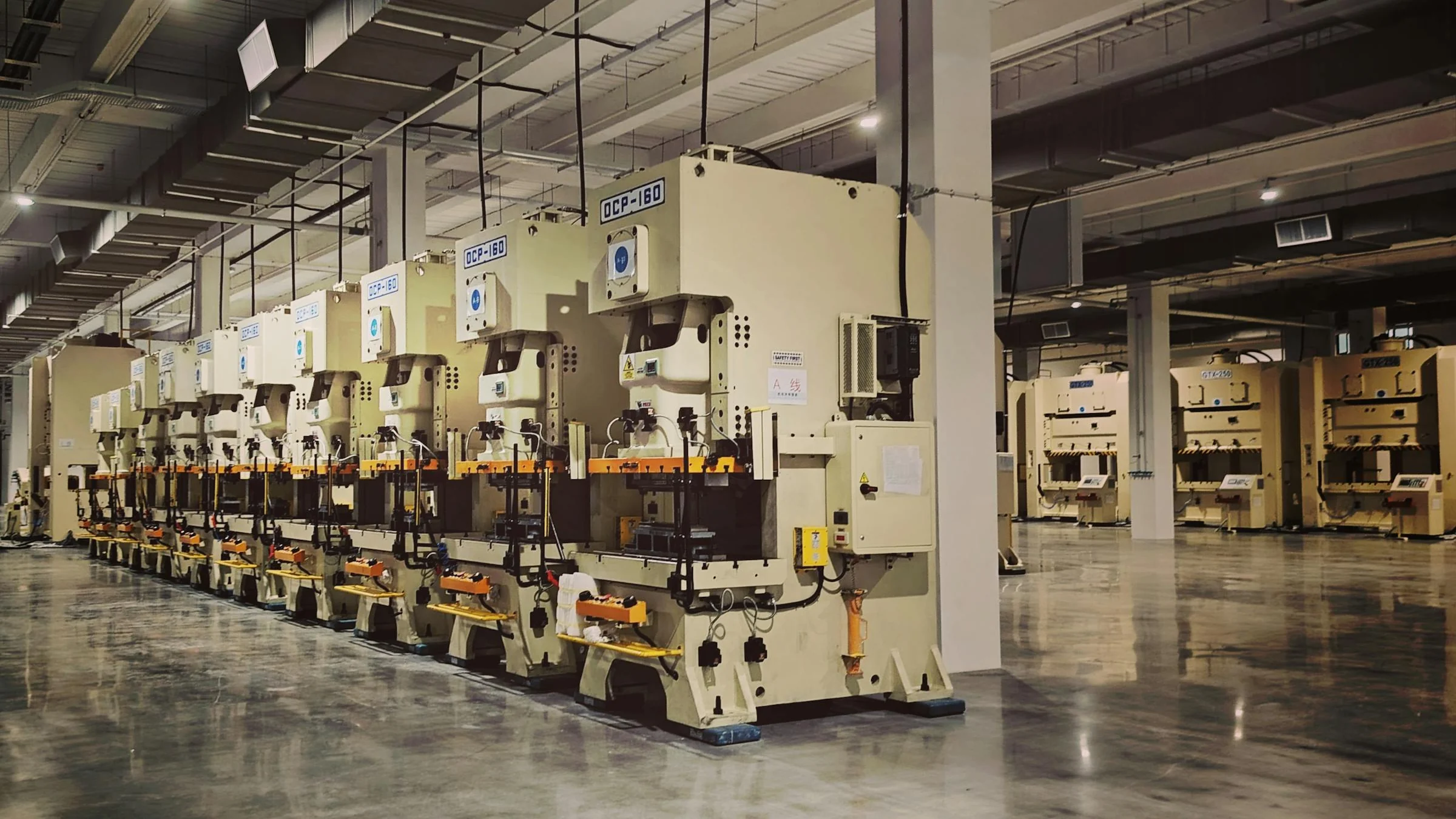
Cleaning problems buyers usually compare on this page
- Dust on acrylic boards
- Water marks after rinsing
- Panel surface preparation
- Moisture left before packing
When the project usually needs a different route
- Not suitable for workpieces thicker than 8 mm.
- Not intended for heavily formed, curved, or non-flat acrylic parts.
- Scratch-sensitive sheets should be sample-tested before order release.
Business scenarios
How buyers usually compare this machine in real projects
Flat acrylic boards, plastic covers, and scratch-sensitive panels
This route is usually shortlisted when the buyer worries as much about appearance and handoff as about the cleaning action itself.
- Common fit for acrylic sheets before packing, film lamination, or a cleaner visual finish
- Typical problems are dust, light marks, drying streaks, and handling residue
- The project is usually driven by panel surface sensitivity rather than high washing pressure
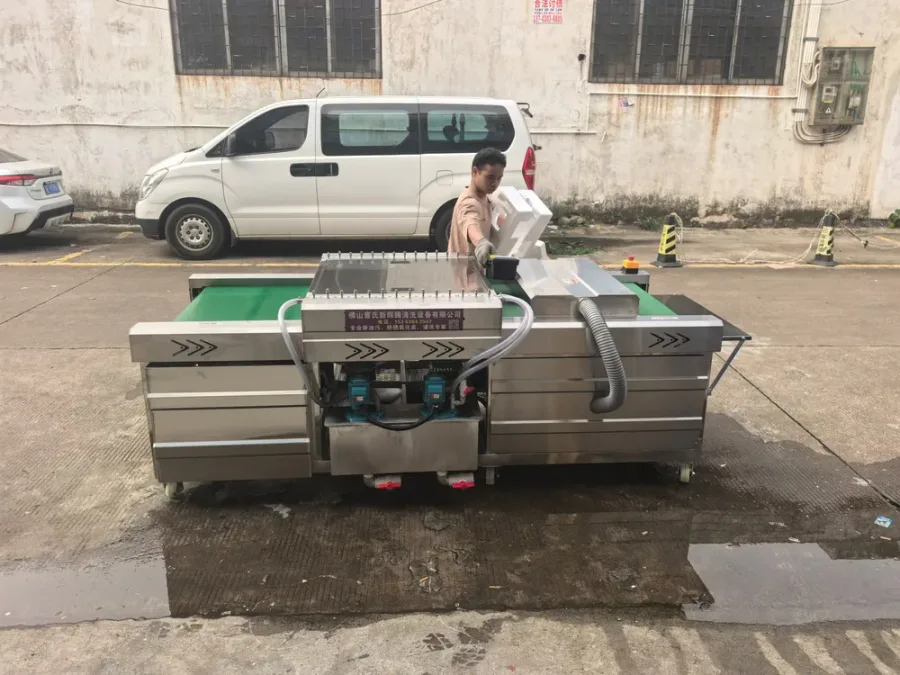
Useful when the next process still exposes the panel surface
Buyers often compare this route when the cleaned panel remains visible during packing, inspection, printing, or forming, so dust return and drying marks matter a lot.
- Good fit before packing and protective film application
- Useful when manual wiping creates inconsistency between operators
- Drying and unloading protection matter as much as the wash itself
Change route when the material family or residue profile shifts away from acrylic work
If the buyer actually handles heavier metal residue, thicker oil, or a less surface-sensitive sheet family, this route often stops being the cleanest match.
- Change route when residue is closer to heavy oil than to dust and marks
- Change route when the part family becomes metal-sheet dominant
- Change route when geometry is no longer stable flat-panel feeding
Buyer scenarios
Production situations where this machine usually enters the shortlist
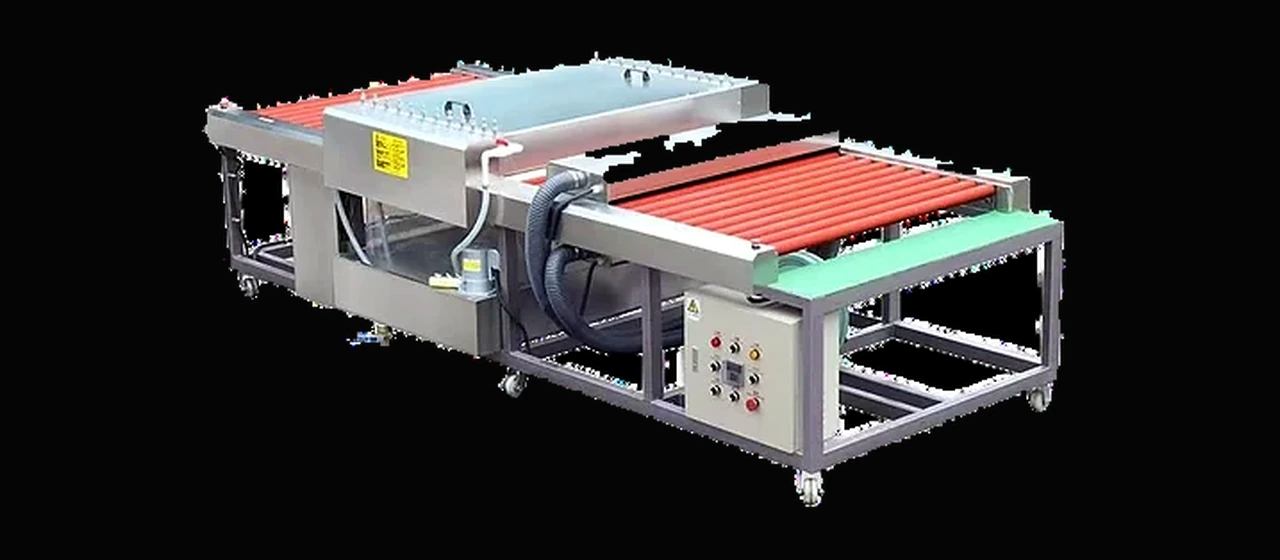
Window and door factories usually need a stable cleaning line before packing, glazing, or the next processing step. The main buying decision is whether the machine can clean flat glass without adding scratch risk, unstable drying, or slow manual wiping.
View scenario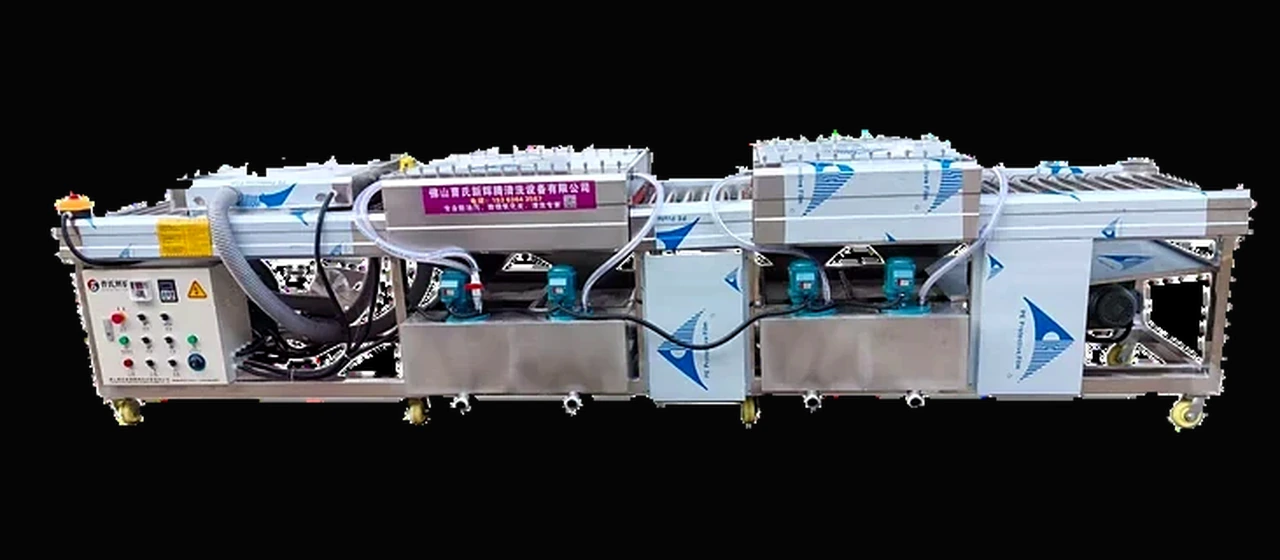
Acrylic sheet cleaning is usually judged by surface appearance risk. Buyers need to remove dust, light residue, and water marks without creating new scratches, unstable drying, or manual wiping bottlenecks before packing or the next process.
View scenarioGlass cleaning before screen printing is usually judged by visible surface stability. Buyers need to remove dust, water marks, and light residue without adding scratch risk or uneven drying before printing, coating, inspection, or packing.
View scenarioGlass cleaning before packing or final inspection is usually about appearance stability. Buyers need to remove dust, water marks, and light residue while keeping the panel dry and safe enough for final inspection, packing, and shipment.
View scenarioGlass cleaning before export packing is usually judged by how stable the final handoff is. Buyers need to remove dust, water marks, and light residue while keeping the glass dry enough for packing, inspection, and shipment without adding scratch risk or recontamination.
View scenarioCommon buying questions
Cleaning and drying issues buyers usually compare around this machine
Water marks usually come from more than one cause: water quality, residue left before rinsing, line speed, drying strength, and surface handling. A useful machine recommendation starts with the panel condition and drying target.
View issue guideDust removal from acrylic sheets is usually not only a washing issue. Buyers often deal with static-attracted particles, visible marks after wiping, and unstable handoff before packing or film lamination. The useful route depends on sheet flatness, surface sensitivity, and drying control.
View issue guideWater marks on acrylic sheets usually come from a mix of drying, water quality, handling, and surface sensitivity. Buyers need to reduce visible marks without creating new scratches or unstable panel transfer before packing, lamination, or inspection.
View issue guideDust removal from glass before screen printing is usually about visible surface stability, not only washing power. Buyers need to stop dust and fine particles from returning before printing, inspection, or packing while keeping the glass safe enough for repeatable transfer.
View issue guideWater spots on glass before packing usually come from a mix of water quality, drying, residue carry-over, and handling. Buyers need to reduce visible marks while keeping the glass safe enough for final inspection, packing, or shipment.
View issue guideSlow drying on glass is often a line-balance problem, not only an air-volume problem. Buyers need to compare drying demand, panel size, line speed, and water carry-over together before packing or shipment can become stable.
View issue guideStatic dust on acrylic sheets is not only a washing problem. The buying decision depends on surface sensitivity, dust return after wiping, water quality, drying stability, and whether the sheet goes directly to film lamination or packing.
View issue guideApplications
- Acrylic boards
- Flat plastic boards
- Covers and panels
- Pre-oiling surface preparation
Cleaning Process
- Cleaning and drying are completed in one pass
- Drum conveyor feeding and stainless steel drum discharging support smooth transfer
- Upper and lower rolling brushes clean the workpiece surface
- Two-section stainless steel water tanks heat and circulate the cleaning water
- Upper and lower ovens plus strong air drying remove remaining moisture
Material boundary and input conditions
- Built for acrylic boards, flat plastic boards, covers, and similar flat panels.
- Reference brochure boundary is 1-8 mm thickness.
- Confirm surface sensitivity, panel width, and downstream oiling or finishing requirements before quotation.
Output and process result
- The brochure positions this family as a one-step cleaning-to-drying line.
- Reference feed speed is 0.5-10 m/min.
- Upper and lower ovens plus strong air aim to leave the panel fully dry.
Utilities, footprint, and machine resources
- Drum conveyor feeding with stainless steel drum discharge.
- Two-section stainless steel water tank with heating and circulation.
- Upper and lower oven heating plus strong-air drying.
Packaging, transport, and pre-shipment checks
- Plan loading and installation around the 700-1000 kg machine family weight.
- Confirm panel width family, voltage, and packing route before shipment.
- If the next step is oiling or lamination, that requirement should be locked before the final build.
Common risks and unsuitable scenarios
- Not suitable for workpieces thicker than 8 mm.
- Not intended for heavily formed, curved, or non-flat acrylic parts.
- Scratch-sensitive sheets should be sample-tested before order release.
What different teams usually confirm
Procurement
- Width family, machine weight, and drying method are the key commercial filters.
- Packing route matters because the larger models approach 1000 kg.
Engineering
- Check panel flatness, scratch tolerance, and downstream cleanliness target.
- The heating and drying route should match whether the panel goes to oiling or direct packing.
Owner
- One-step cleaning and drying simplifies acrylic-panel line planning.
- Three width families support pilot, mid-volume, and wider-panel projects.
Procurement table
Typical machine data
Ask before pricing
Typical machine data. Final setup depends on your material and production requirements.
Send us the material and cleaning problem first. Our team will recommend the right pressure, filtration, heating, drying, and conveyor setup.
Are you a trading company or a factory? Factory
We are a factory in Foshan, Guangdong, China. We build industrial cleaning machines and adjust each machine to the material and cleaning problem.
Can the machine remove heavy oil and metal chips? Performance
Yes. The metal parts series uses 20-70 bar high-pressure spray with fan-shaped nozzles to remove oil, chips, and oxide scale. For stubborn contamination, a double-tank system can separate rough washing and fine rinsing.
Can the machine run continuously? Technical
The equipment is designed for 24-hour industrial operation when configured and maintained correctly. SUS304 tanks, circulating pumps, and filtration help support stable long-term use.
Is the cleaning water recyclable? Cost
Yes. The machines can use inlet and return-water filtration to recycle cleaning liquid, reduce water consumption, and help prevent nozzle clogging.
Will glass or acrylic be scratched during cleaning? Performance
Glass and acrylic applications use lower-pressure gentle spray, anti-scratch nozzle design, and precision filtration to reduce the risk of scratches and edge damage.
Product inquiry
Request a Acrylic Board recommendation
The first inquiry step is short. Detailed size and thickness can be confirmed later if needed.