Industrial Cleaning & Drying Systems


Product family
Mobile Phone Case Cleaning Machine
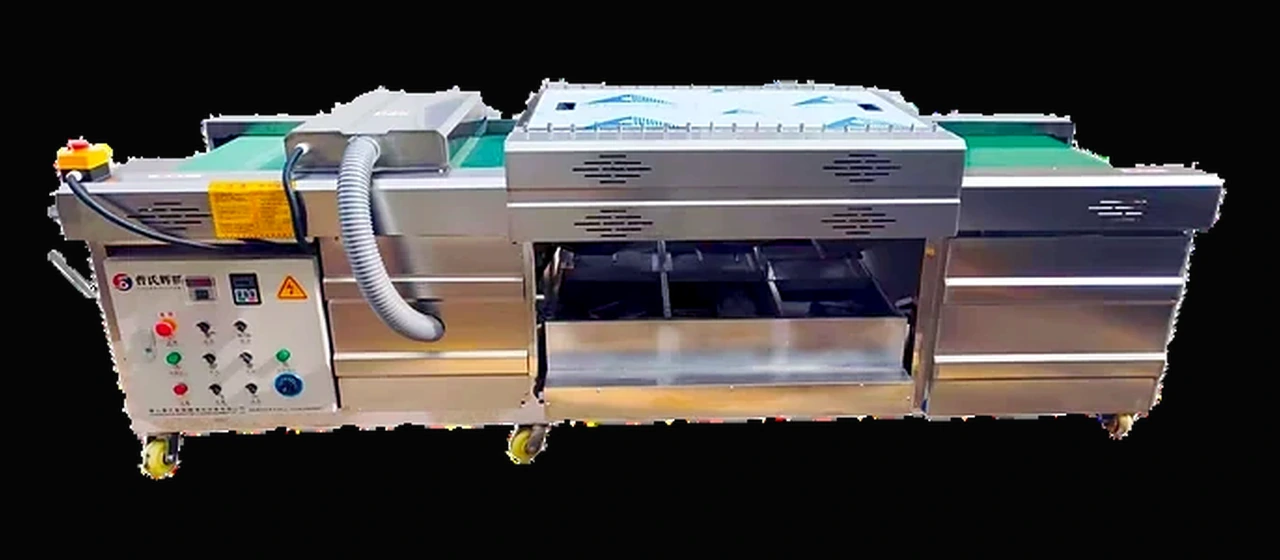
High-output conveyor washing system engineered for smartphone CNC aluminum casings, electronic hardware stampings, and silicon steel sheets. Features continuous automated feed, dual independent heated wash tanks, absorbent sponge rollers, and high-temperature forced convection drying.
Quick fit scan
High-Output Phone Case Inline Washing Line Parameters
Start with the likely cleaning problem, the first project details to send, and two common questions that help you decide whether this machine fits.
Machine facts at a glance
A continuous phone-case washing and drying machine with double-sided rolling brushes, two independent hot-water tanks, absorbent cotton rollers and hot-air convection drying. The catalogue application description covers workpieces within 550 mm width; model width is a separate selection parameter.
Replace 5–8 Manual Wiping Workers · Estimated 3–6 Month Payback
Continuous horizontal conveyor design cleans up to 10,000 stamped or machined workpieces per shift. Circulating 80°C hot water, counter-rotating rolling brushes, and convection hot-air drying eliminate solvent rags, inconsistent manual wiping, and surface flash rust.
Cleaning problems this machine is built for
- Machining coolant and fine dust on precision aluminum casings
- Water drops remaining in screw holes and blind cavities after washing
- Two-sided electronic stamping part cleaning and degreasing
- High-output continuous drying without surface oxidation or rust
- Unstable cosmetic finish when output is pushed too early
Send these details to help us prepare your quote
- Case width, material, finish, and whether cosmetic faces scratch or haze easily
- Daily output target and the real feeding rhythm expected on the line
- Water-only or detergent process, plus what residue must actually be removed
- Drying target and whether cases must leave pack-ready or only ready for the next station
- Line feeding method, voltage, and whether sample confirmation is needed before mass-order review
Common questions about this machine
How does this machine protect cosmetic surfaces on phone housings during cleaning?
The machine uses fine-diameter soft roller brushes, smooth conveyor transport, and gentle absorbent rollers to wash and dry both sides continuously without harsh mechanical impact.
How does the system clean machining fluid and light stamping residue?
It combines double-sided roller brush scrubbing with heated circulating water washing, followed by progressive water-absorption rollers and hot-air drying to remove fluid and particulate before packing.
More common questions appear below in the full FAQ section.
Machine guide
Choose a phone-case cleaning line by cosmetic standard, feeding rhythm, and output reality
This machine is for high-volume mobile phone case and similar plastic-part production. It cleans both sides and dries in one pass. We confirm the case material, finish, feeding method, and required surface appearance at your production speed.
Explore suitability, selection checks and quote preparation
This machine is a good choice when
- Mobile phone cases and similar plastic parts within the reference 0-8 mm thickness range
- Projects where double-sided washing and one-pass drying are needed before packing or the next station
- High-output lines that need repeatable cosmetic results instead of manual batch cleaning
- Customers who must confirm feeding rhythm, output claim, and visible surface standard before quoting
Confirm plastic material, coating, finish, and cosmetic tolerance first, because plastic cases should not be judged like metal flat parts.
Use the real feeding method and spacing plan, because stable output depends on line rhythm as much as on washing hardware.
Separate dust, fingerprint-like handling marks, light oil, and process residue before requesting a quote, because a plain-water machine setup does not fit every contamination case equally.
Define whether cases must be pack-ready, inspection-ready, or only ready for another station so the output target is matched to the real finish standard.
Before you request a quote
What we need to confirm with you
- 01
Define the case family
List case width, thickness, material, finish, and whether cosmetic faces or coated surfaces create stricter washing and drying limits than your team first assumes.
- 02
Confirm the residue machine setup
Clarify whether the line is removing dust, light oil, handling residue, or process contamination so the project is not treated like a simple plain-water rinse when it is not.
- 03
Check output realism
Judge output by feeding rhythm, spacing, and drying standard, not by the headline daily quantity alone, because cosmetic consistency usually drops before the nominal output does.
- 04
Prepare quote conditions
Share voltage, available space, loading direction, whether panels go to packing or inspection, and whether sample testing is needed for cosmetic approval.
Please check first
Not the right fit when
- Heavy metal parts or solvent-driven cleaning projects outside the intended plastic case machine setup
- Highly cosmetic plastic surfaces that cannot accept the planned contact path without sample confirmation
- Projects where output is treated as fixed but feeding method and drying target are still undetermined
Before requesting a quote
Send these details for a useful quote
- Case size range, material, finish, and which cosmetic face is most sensitive after washing and drying
- Residue type, current defect photos, and whether the issue is dust, water, oil, or surface haze after cleaning
- Daily output target, real feeding method, and whether cases must leave inspection-ready or pack-ready
- Voltage, footprint, destination country, and whether sample confirmation is required before mass-order review
Before choosing a model
Check your part and cleaning requirements
Review the applications and process below, then send us your part details, cleaning problem, output target, and drying requirement.
Applications
Applications
- Mobile phone cases
- Small flat plastic parts
- High-output drying lines
- Water-only cleaning scenarios
Cleaning process
Cleaning Process
- Continuous automatic feeding supports phone cases within 550 mm width
- Special rolling brushes clean both sides of the case
- Two independent tanks provide double-sided hot-water cleaning
- Absorbent cotton rollers remove water from both sides
- High-temperature hot-air convection drying removes residual moisture
Sample inspection and acceptance checks
These are checks to agree for your project, not certified results. Define the inspection method and acceptable limits before validating the machine configuration.
- Inspect both cosmetic faces for remaining contamination, scratches or haze on the actual material and coating.
- Check residual moisture after absorbent rollers and hot-air drying, including edges and recesses.
- Verify feeding stability and sustained output with the actual case spacing and shift conditions; distinguish workpiece size from model width.
What to confirm
Machine details for your production line
The final tank layout, heating, drying length, and handling details depend on your parts and workshop conditions. We will confirm them with you before preparing a quote.
Phone Case Inline Washing Line Technical Specifications
| Model | Working width | Thickness | Speed | Power | Footprint | Weight |
|---|---|---|---|---|---|---|
| QXJ-600C | 600 mm machine type | 0-8 mm | 0.5-20 m/min | 18 kW | 3000 x 600 mm | 600 kg |
| QXJ-800C | 800 mm machine type | 0-8 mm | 0.5-20 m/min | 18 kW | 3000 x 800 mm | 800 kg |
| QXJ-1000C | 1000 mm machine type | 0-8 mm | 0.5-20 m/min | 18 kW | 3000 x 1000 mm | 1000 kg |
Installation, delivery and procurement details
Selection boundary
Material boundary and input conditions
- Optimized for phone case and delicate cosmetic housing cleaning and drying up to 550 mm width.
- Standard workpiece thickness processing capability is 0-8 mm.
- Ordinary clean water can be used for the washing process.
- Confirm casing material, oil/dust load, and cosmetic expectations before requesting a quote.
Expected output
Output and process result
- The line supports continuous automatic feeding for phone cases.
- Reference output up to 10,000 phone cases per day.
- Integrated double-sided high-pressure washing, PVA absorbent rollers, and heated air knife drying.
Utilities
Utilities, footprint, and machine resources
- Two independent water tanks for double-sided hot-water cleaning.
- Reference power is 18 kW across the width families.
- machine type weight rises from 600 to 1000 kg.
Shipment planning
Packaging, transport, and pre-shipment checks
- Use machine-family width and weight to confirm loading access and installation space.
- Confirm destination voltage and plain-water process expectations before shipment.
- If output target is critical, lock part width and drying standard before the build is frozen.
Risk notes
Common risks and unsuitable scenarios
- Not suitable for workpieces thicker than 8 mm.
- Not intended for heavy metal parts or applications requiring aggressive solvent cleaning.
- Confirm cosmetic-surface tolerance before mass-order release.
Project details
Information that helps us prepare the right machine
Quote and delivery
Quote and delivery
- Output claim, machine-family width, and power are the first quote filters.
- Clarify whether your team values plain-water cleaning over chemical machine setups.
Machine and installation
Machine and installation
- Check case material, surface finish, and dust/oil removal target.
- Double-sided hot-water washing should be matched to the cosmetic standard.
Production goals
Production goals
- Engineered for high-throughput, low-scratch continuous cleaning of electronic housings and frames.
- 10,000 cases per day is the standout owner-facing output signal.
Additional specifications and factory information
Reference sizing
Use the model table to narrow the machine type first
Treat the model rows as planning references. Final tank layout, drying length, utilities, and loading direction still depend on the real part, residue, and output target.
Procurement table
Typical machine data
Workshop, testing and delivery
See how we prepare, test, pack, and deliver a machine once the recommended option suits your project.
Compare cleaning machines for your workpiece
Acrylic Board Cleaning Machine
Compare for flat acrylic boards rather than phone-case production.
Filter Hardware Cleaning Machine
Compare for metal hardware requiring flexible-brush cleaning and geometry assessment.
Discuss a sample-cleaning trial for your parts
Share the actual part and cleaning requirement so we can review suitability and discuss a trial plan before you order.
- Start with part photos, material or coating, dimensions, residue, output target and the next production step.
- Agree on suitability, representative samples, test configuration and inspection criteria before arranging shipment.
- Confirm trial availability, any costs, shipping responsibilities and the agreed format for recording results before sending parts.
Product inquiry
Ask about the Phone Cases
Send the material, size, cleaning problem, and target output. Photos or video are helpful.
The detailed intake checklist is already above. Use this shorter version while filling the form.
- The real workpiece family, not only the easiest sample.
- The contamination, visible defect, or drying failure that still blocks release.
- Whether this machine type is the right first option or only a partial fit.
- What testing, delivery details, or project facts still matter before the final quote.