


Common buying question
Static dust removal from acrylic sheets before film lamination
Static dust on acrylic sheets is not only a washing problem. The buying decision depends on surface sensitivity, dust return after wiping, water quality, drying stability, and whether the sheet goes directly to film lamination or packing.
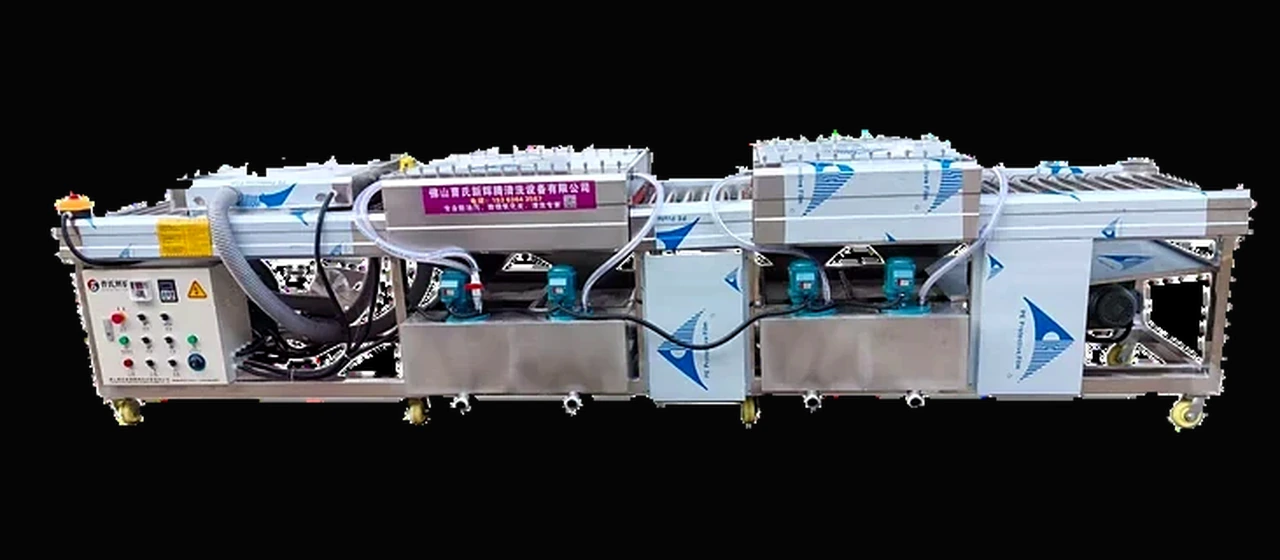
When buyers open this page
Usually a fit when these things are true
- Dust returns to acrylic sheets after manual wiping or air blowing.
- Film lamination exposes particles, bubbles, or visible surface marks.
- Scratch risk is high, so aggressive brush or handling contact must be checked.
- The buyer needs sheets dry and stable before lamination, inspection, or packing.
Check these points first
Do not choose the route from one symptom alone
Confirm whether dust returns after wiping, air blowing, or temporary storage.
Clarify scratch tolerance, sheet coating, protective film timing, and cosmetic visibility.
Define whether sheets go directly to film lamination, inspection, packing, or a waiting rack.
Send width, length, thickness, flatness, and whether the hardest sheet can feed smoothly.
Quick visual check
What this issue usually looks like on the line before asking price
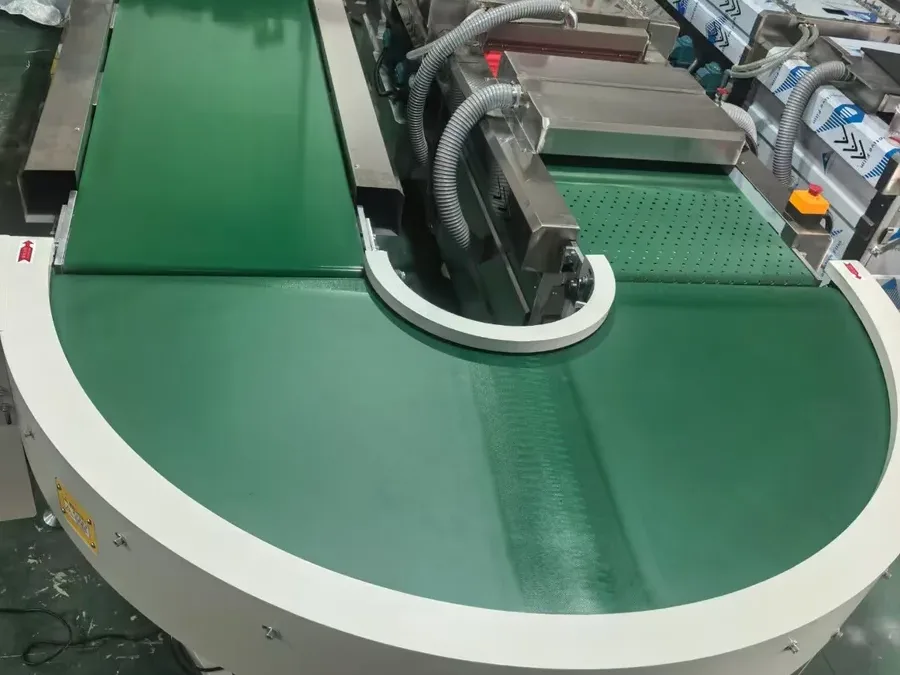
Start from the residue that keeps blocking stable output
Dust returns to acrylic sheets after manual wiping or air blowing.
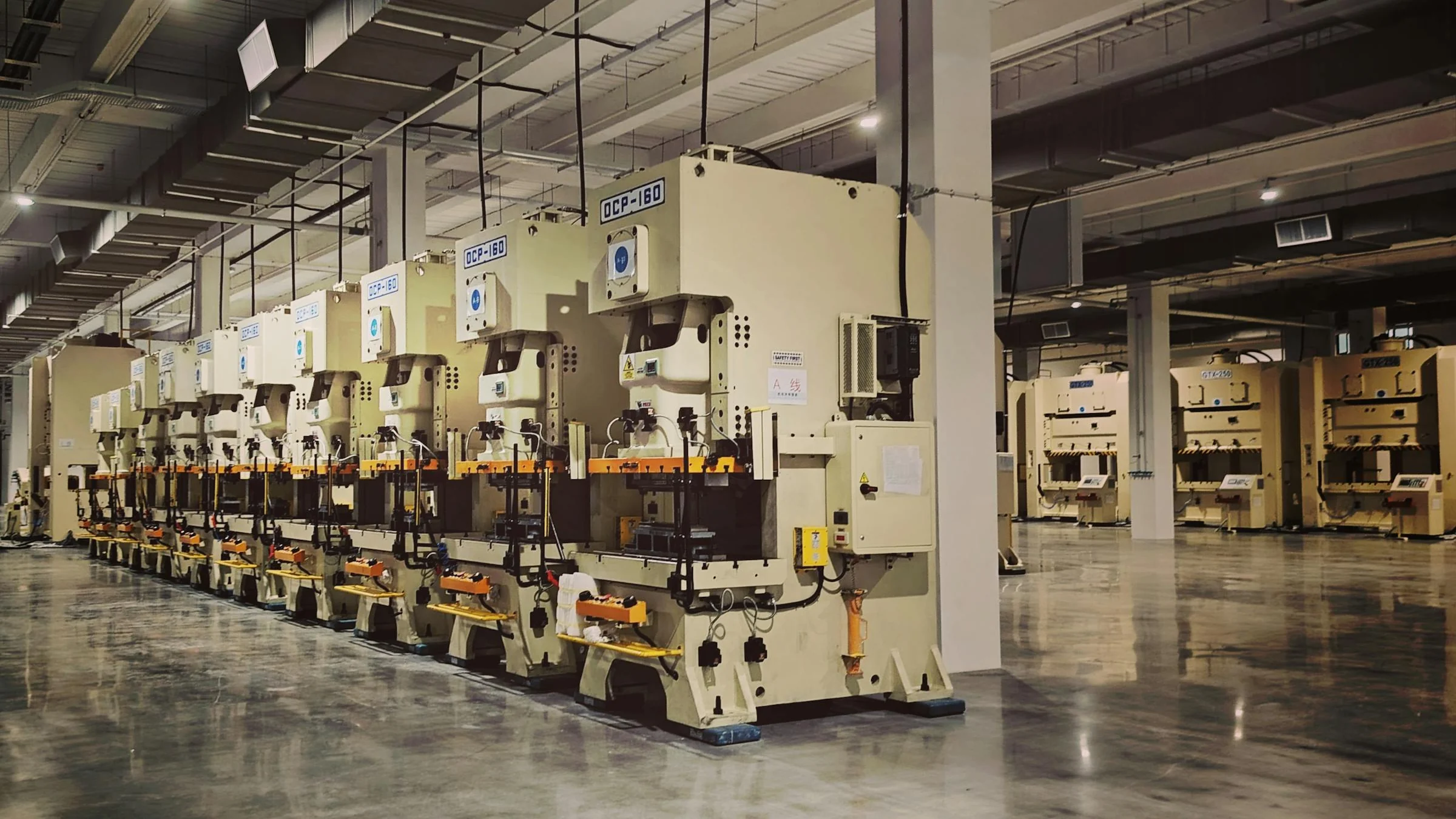
Confirm acrylic surface risk
Before choosing a machine route, confirm whether the sheet can accept brush contact, low-pressure spray, and conveyor handling.
The target is the next process, not only a cleaner-looking part
Drying airflow, unloading protection, and waiting time all affect whether dust returns before the next process.
Routes to compare
Machine pages buyers usually compare here
Use this when flat acrylic or plastic sheets need controlled washing and drying before film lamination or packing.
Acrylic Board Also compare Glass Cleaning MachineCompare this when the project also includes flat glass or when low-pressure, surface-safe washing is the main concern.
Glass For flatter parts Aluminum Plate Cleaning MachineReview this when the workshop also needs a wider flat-sheet cleaning route for metal or mixed panel projects.
Aluminum PlateHow buyers narrow it down
How to qualify the issue before asking for a quote
- 01
Show the dust failure
Photos under light and short video after wiping help separate loose dust, static-attracted particles, and handling marks.
- 02
Confirm acrylic surface risk
Before choosing a machine route, confirm whether the sheet can accept brush contact, low-pressure spray, and conveyor handling.
- 03
Set the lamination target
The line should be judged by whether the sheet is stable enough for film lamination or packing, not only by whether it looks wet-clean.
- 04
Plan drying and unloading
Drying airflow, unloading protection, and waiting time all affect whether dust returns before the next process.
For a useful quote
Send these details
- Acrylic sheet size range, thickness, coating, and surface sensitivity
- Photos or video of dust after wiping and before lamination
- Target process after cleaning: film lamination, packing, inspection, or storage
- Daily output, voltage, drainage, floor space, and destination country
Check before order
Not the right fit when
- Curved plastic parts that cannot feed flat through a sheet line
- Projects where the surface cannot accept any contact without sample testing
- Cases where static control after unloading is ignored even though dust returns during storage
Buyer questions
Questions buyers usually want answered before they inquire
What machine is usually considered for static dust on acrylic sheets before film lamination?
Buyers usually start with an acrylic board cleaning and drying line, then confirm whether the sheet surface can accept the selected washing, brush, drying, and conveyor route.
Why does dust come back after acrylic sheets are cleaned manually?
Dust can return because of static attraction, handling, dry wiping, storage time, or unstable unloading. The cleaning line needs to be planned together with the handoff after drying.
What should be sent before asking for an acrylic sheet cleaning quotation?
Send sheet size, thickness, surface sensitivity, photos of the dust problem, the lamination or packing process, and the required daily output.