


Common buying question
Black residue removal from hardware before coating or inspection
Black residue removal from hardware is usually harder than light oil cleaning because the residue can smear, collect in edges, and carry over into the rinse. Buyers need a route that can support stable cleaning before coating, inspection, or assembly.
When buyers open this page
Usually a fit when these things are true
- Black residue or polishing carry-over remains on hardware before coating or inspection.
- Manual wiping or rough washing gives unstable results across batches.
- Flat or slightly irregular geometry needs a more repeatable route than hand cleaning.
- The next process has a stricter surface expectation.
Check these points first
Do not choose the route from one symptom alone
Check whether the black residue is dry, waxy, sticky, or mixed with fine particles before selecting the route.
Confirm flatness, holes, edges, and whether the residue hides in detailed hardware areas.
Define whether the target is visual cleanliness, coating-ready condition, or a cleaner base for inspection.
Judge whether a one-stage route stays clean enough or whether the project needs rough washing plus cleaner rinsing.
Quick visual check
What this issue usually looks like on the line before asking price
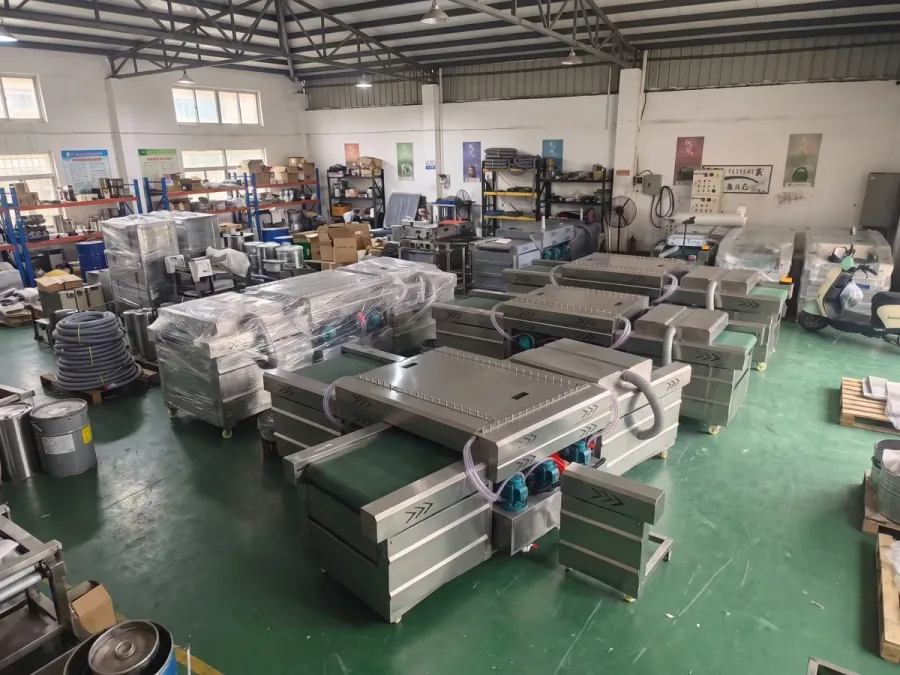
Start from the residue that keeps blocking stable output
Black residue or polishing carry-over remains on hardware before coating or inspection.
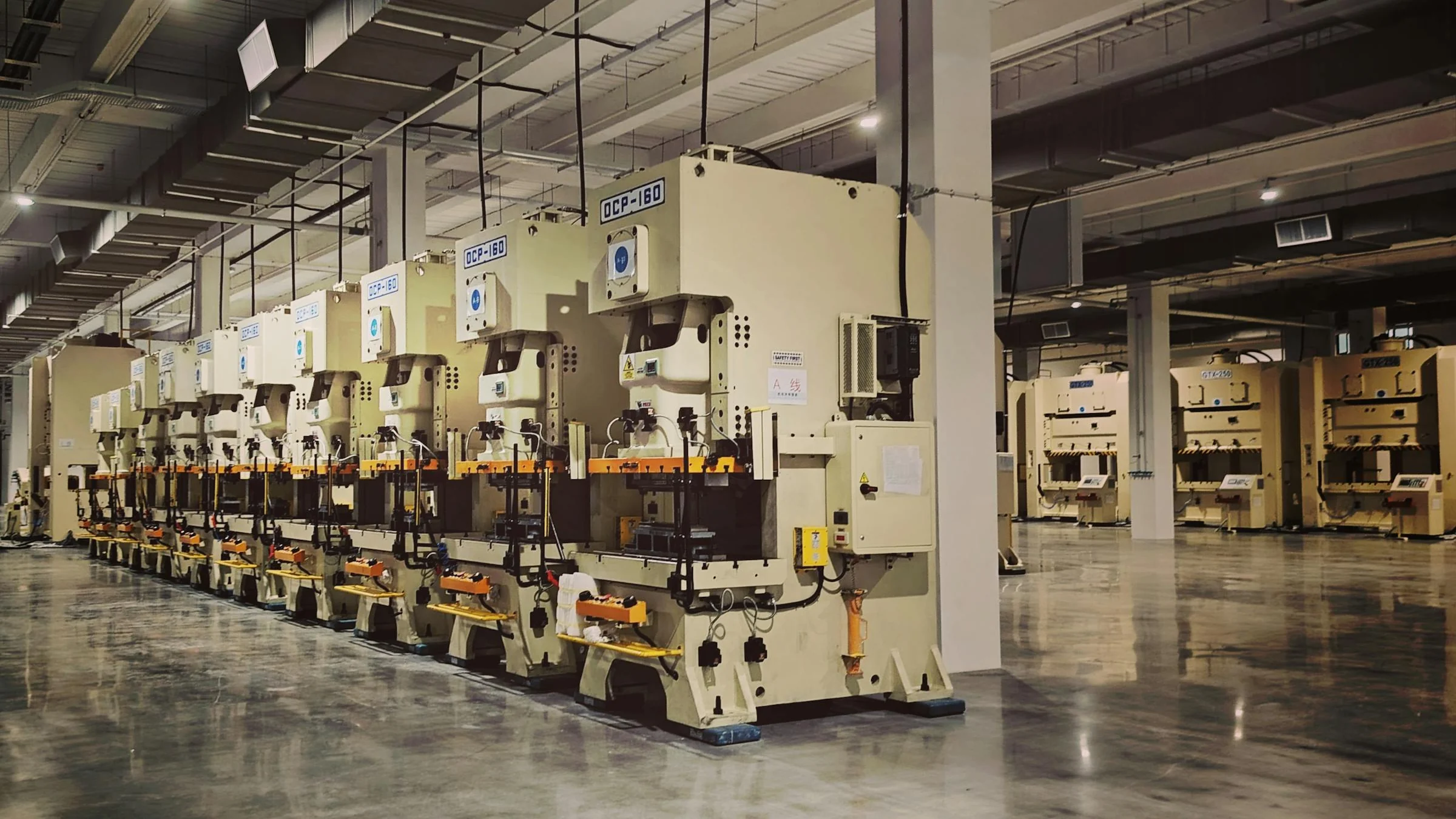
Screen the hardest hardware family
Confirm which flat or slightly irregular parts are hardest, including holes, slots, thin edges, and surface sensitivity.
The target is the next process, not only a cleaner-looking part
Voltage, drainage, water handling, batch output, and line space all change whether the project fits a simpler or heavier route.
Routes to compare
Machine pages buyers usually compare here
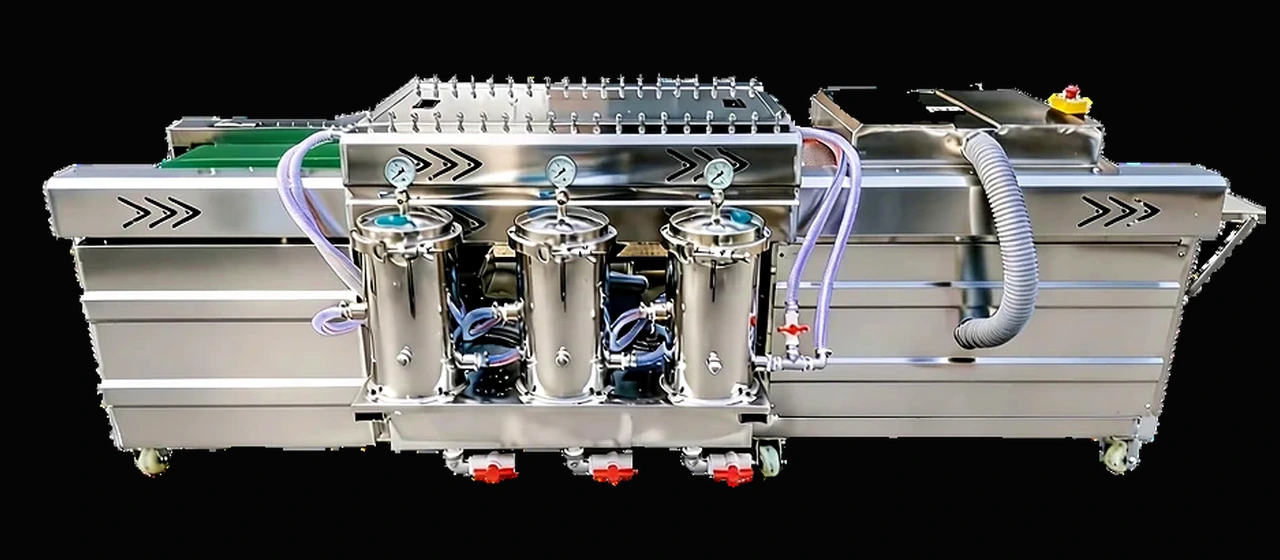
Use this when flat or slightly irregular hardware parts need flexible brush contact and stable drying after black-residue removal.
Filter Hardware For flatter parts Flat Hardware Tool Cleaning MachineCompare this when the parts are consistently flatter and the residue can be controlled through a cleaner conveyor route.
Flat Hardware Heavier-residue Two Water Tank Cleaning MachineReview this when rough washing becomes dirty too quickly and the project needs separated washing and cleaner rinsing.
Two TankHow buyers narrow it down
How to qualify the issue before asking for a quote
- 01
Identify the black-residue condition
Separate polishing compound, black residue, wax, and metal fines before choosing machine contact and rinsing route.
- 02
Screen the hardest hardware family
Confirm which flat or slightly irregular parts are hardest, including holes, slots, thin edges, and surface sensitivity.
- 03
Set the target after cleaning
State whether the part goes to coating, inspection, assembly, or packing after drying.
- 04
Check utility and floor facts
Voltage, drainage, water handling, batch output, and line space all change whether the project fits a simpler or heavier route.
For a useful quote
Send these details
- Part material, size range, flatness, and photos of black residue
- Whether the residue is waxy, black, sticky, or mixed with fine particles
- Target result after cleaning and drying
- Daily output, voltage, drainage, floor space, and destination country
Check before order
Not the right fit when
- Deep cavity parts where residue cannot drain out reliably on the line
- Mirror-finish parts without sample confirmation of surface contact
- Projects that need chemistry validation first but cannot provide residue detail
Buyer questions
Questions buyers usually want answered before they inquire
What machine is usually compared for black residue removal from hardware before coating?
Buyers often compare filter-hardware and flat-hardware cleaning routes first, then move to a two-stage washing route when the residue is heavy or quickly contaminates the rinse.
Why is black residue harder to remove than light oil?
Because it can smear, collect in small edges or holes, and carry fine particles back onto the part if the washing and rinsing route is not stable enough.
What details help judge black-residue hardware projects faster?
Close photos of the residue, part geometry, the exact downstream requirement, and whether the current route fails at washing or drying are the most useful facts to send first.