


Common buying question
Metal chip removal from machined flat parts before coating or packing
Metal chip removal becomes difficult when chips, oil, and fine residue circulate back onto the part. The useful route depends on whether the parts stay flat on the line, whether one wash stage gets dirty too quickly, and how clean the part must be before the next process.
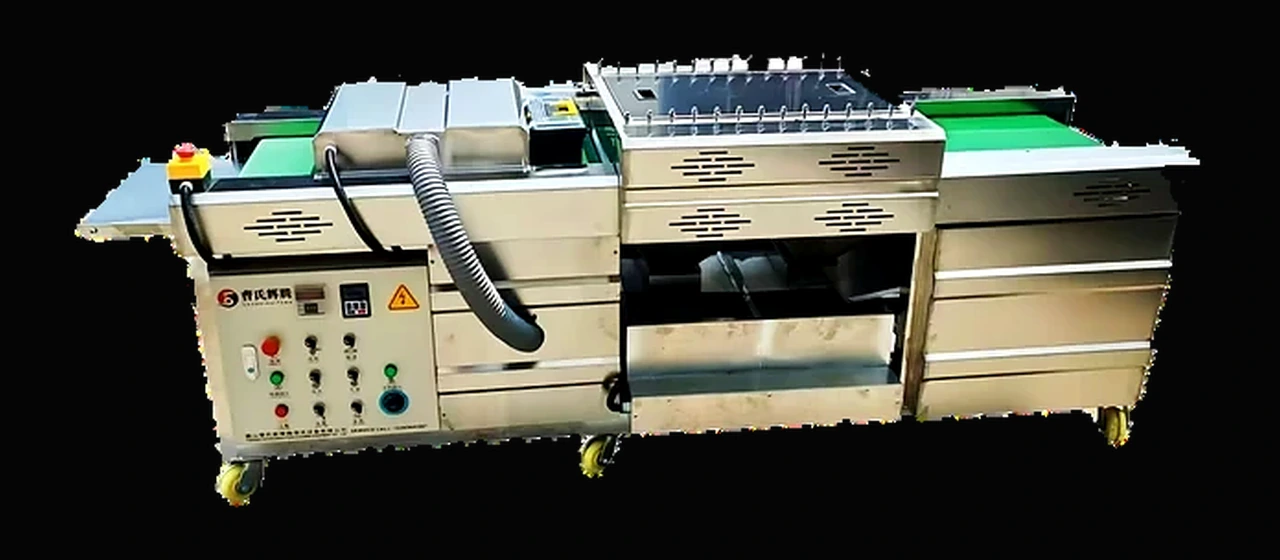
When buyers open this page
Usually a fit when these things are true
- Metal chips or fines remain on machined flat parts after washing.
- Oil and loose chips mix together and return during the rinse stage.
- The part family is mostly flat or slightly irregular and needs a repeatable conveyor route.
- The next step is coating, assembly, inspection, or export packing.
Check these points first
Do not choose the route from one symptom alone
Confirm whether the residue is loose chips, fine metal powder, oil-and-chip slurry, or black compound mixed into the wash water.
Check flatness, holes, slots, sharp edges, and whether chips collect in details that are hard to rinse out.
Judge whether one stage stays clean enough or whether the project needs separated rough washing and cleaner rinsing.
Coating, assembly, packing, and inspection set different expectations for residue carry-over and final dryness.
Quick visual check
What this issue usually looks like on the line before asking price
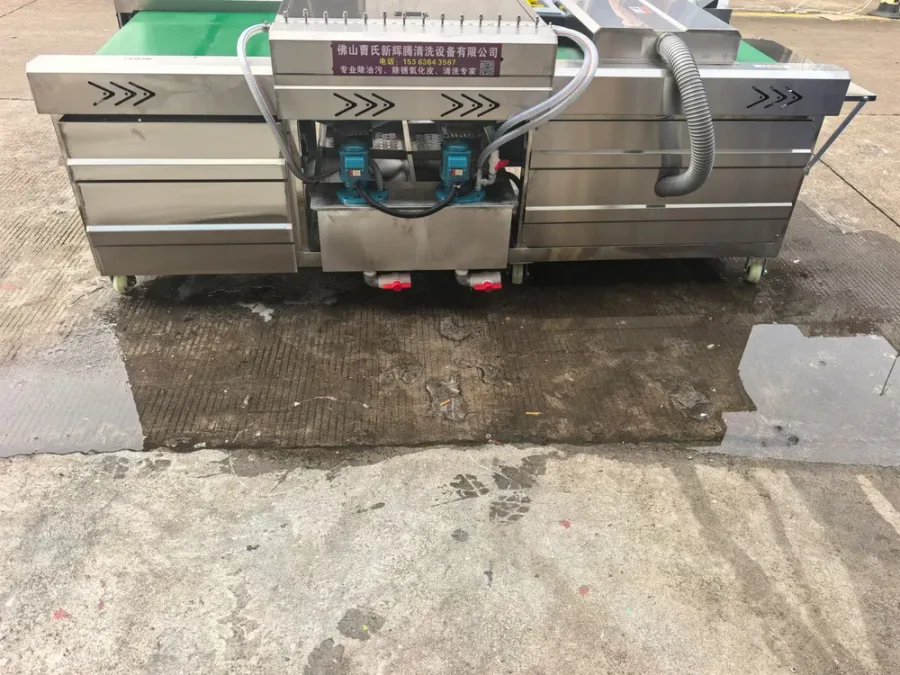
Start from the residue that keeps blocking stable output
Metal chips or fines remain on machined flat parts after washing.
Screen the hardest part family
Confirm which flat parts are hardest to rinse, including small holes, slots, edges, and surfaces where chips hide after machining.
The target is the next process, not only a cleaner-looking part
Send voltage, drainage, floor space, output target, and how the parts move to coating, assembly, or packing after drying.
Routes to compare
Machine pages buyers usually compare here
Use this when chip-heavy washing contaminates the first stage quickly and the project needs rough washing plus cleaner rinsing separation.
Two Tank For more complex part shapes Filter Hardware Cleaning MachineCompare this when the parts are flat but include holes, slots, or slight irregularity that need more flexible contact.
Filter Hardware For flatter parts Flat Hardware Tool Cleaning MachineReview this when the parts are consistently thin and flat enough for a simpler one-pass cleaning and drying route.
Flat HardwareHow buyers narrow it down
How to qualify the issue before asking for a quote
- 01
Identify the chip and oil mix
Use photos or short video to separate loose chips, fine metal powder, oil carry-over, and black residue before selecting the route.
- 02
Screen the hardest part family
Confirm which flat parts are hardest to rinse, including small holes, slots, edges, and surfaces where chips hide after machining.
- 03
Decide whether one or two stages are needed
A heavier route becomes useful when the first wash loads up too quickly or the final surface still shows chip carry-over after rinsing.
- 04
Prepare utility and handoff facts
Send voltage, drainage, floor space, output target, and how the parts move to coating, assembly, or packing after drying.
For a useful quote
Send these details
- Part photos, size range, thickness, and geometry details
- Photos of chips, fines, oil carry-over, or unstable rinse condition
- Next process after cleaning and drying
- Output target, voltage, drainage, floor space, and destination country
Check before order
Not the right fit when
- Deep cavity parts where chips cannot drain or rinse out reliably on the line
- Projects that require a validated chemistry process first but cannot provide residue detail
- Highly cosmetic surfaces without sample confirmation of contact and rinse route
Buyer questions
Questions buyers usually want answered before they inquire
What machine route is usually compared for metal chip removal from flat parts?
Buyers often compare a two-stage washing route first, then evaluate flatter one-pass or more geometry-flexible routes depending on how the chips behave on the part.
Why do metal chips keep returning after washing?
Because the real issue is often a mix of chip load, oil carry-over, rinse contamination, and part geometry rather than lack of spray pressure alone.
What details help confirm a chip-removal project faster?
Part geometry, chip photos, whether the residue is dry or oily, the next process after cleaning, and the current rinse problem are the most useful details to send first.