


Common buying question
Water mark removal from glass panels after washing
Water marks usually come from more than one cause: water quality, residue left before rinsing, line speed, drying strength, and surface handling. A useful machine recommendation starts with the panel condition and drying target.
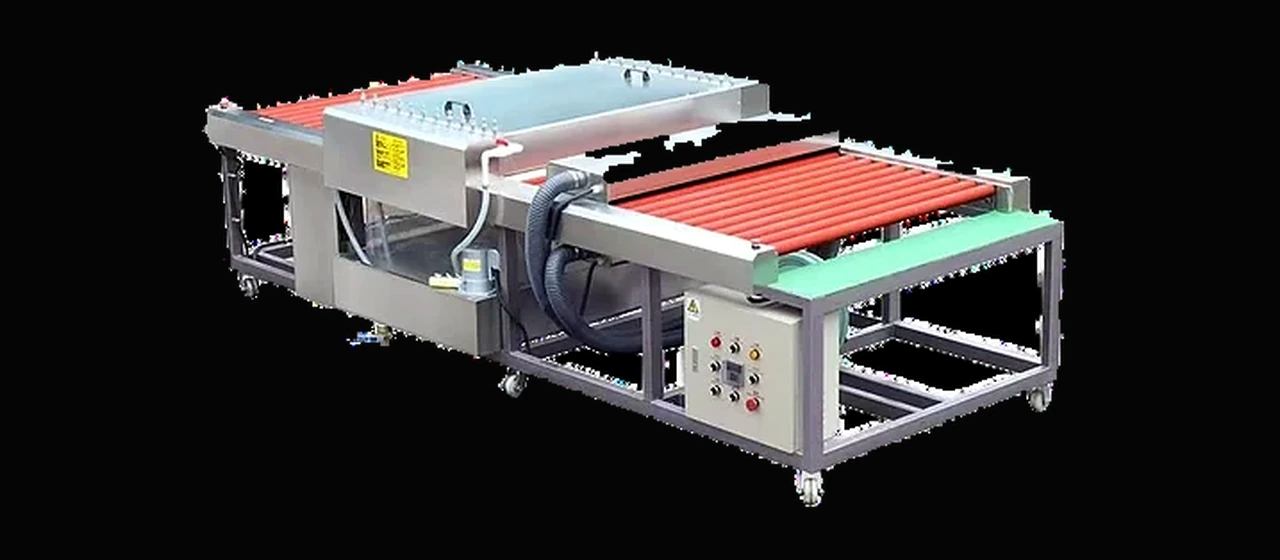
When buyers open this page
Usually a fit when these things are true
- Water spots remain after washing or manual wiping.
- Dust or fine impurities reappear before packing.
- Drying is inconsistent across different panel sizes.
- The surface is scratch-sensitive and needs controlled contact.
Check these points first
Do not choose the route from one symptom alone
Confirm whether marks come from minerals, dirty circulation water, or residue not removed before rinsing.
Check scratch sensitivity, edge condition, protective film, and whether sample testing is needed.
Balance output with enough washing and drying time for the panel size.
Define whether panels must leave the line pack-ready or only ready for inspection.
Quick visual check
What this issue usually looks like on the line before asking price
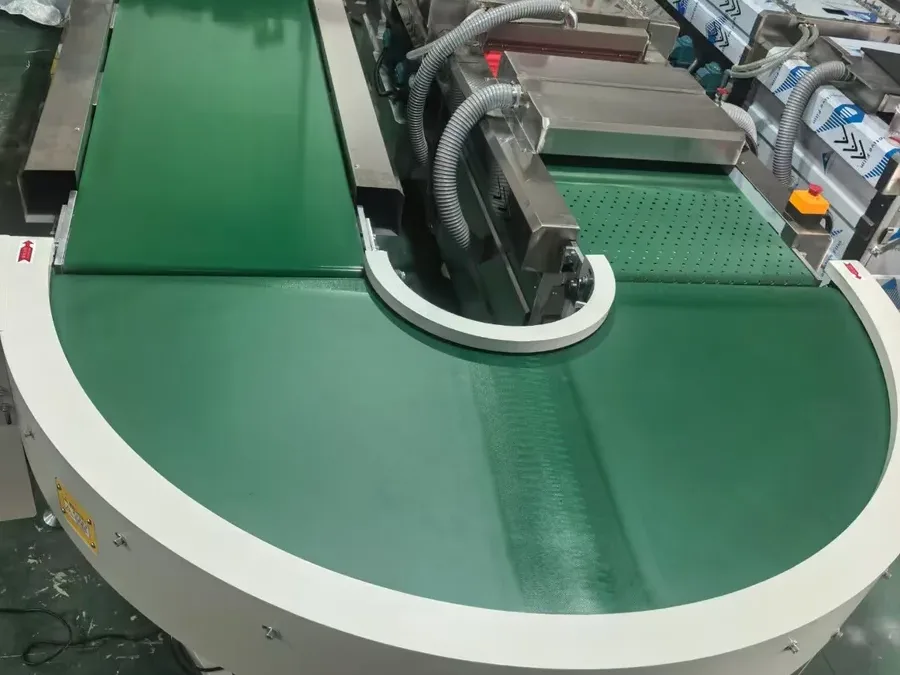
Start from the residue that keeps blocking stable output
Water spots remain after washing or manual wiping.
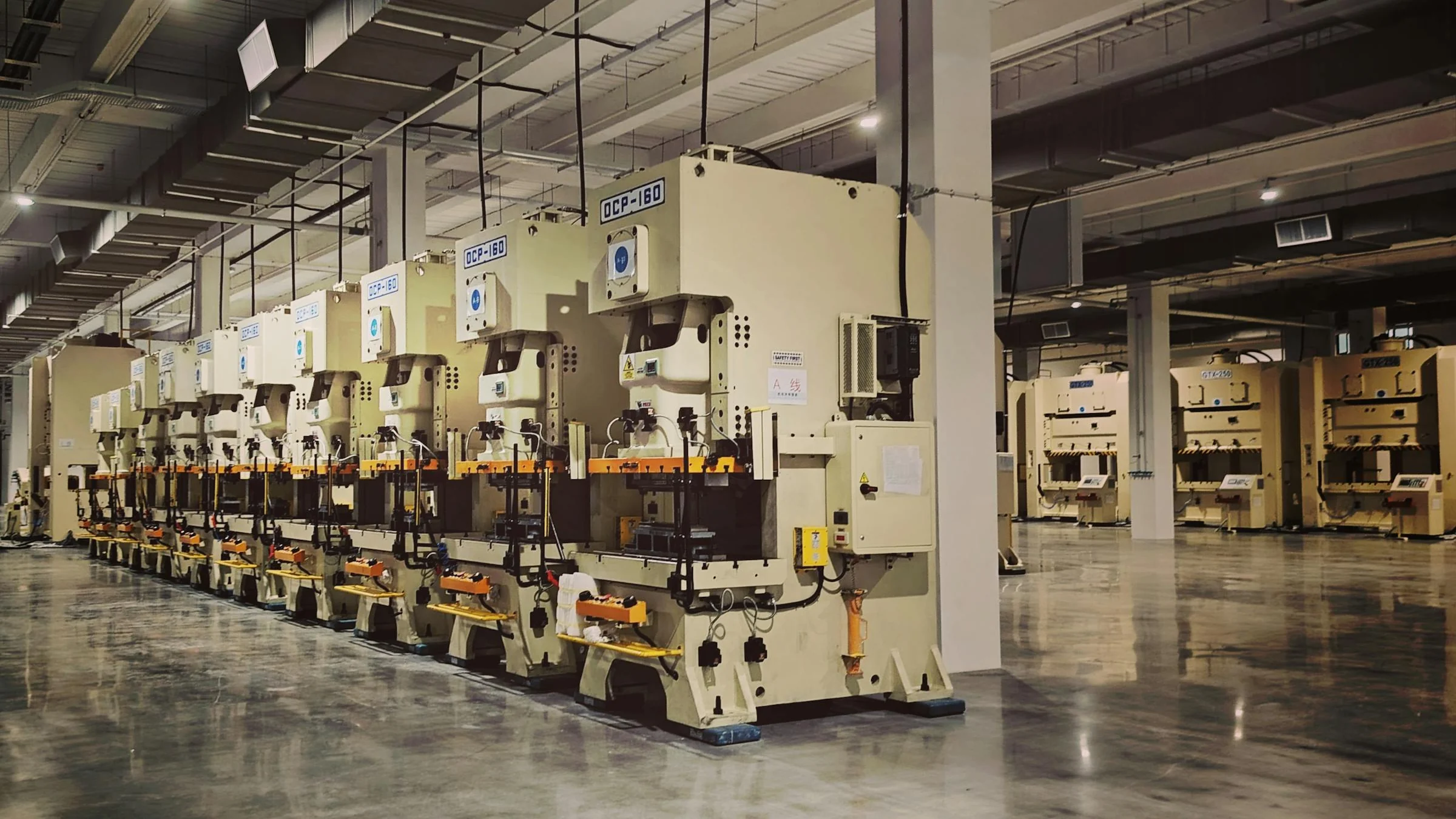
Check water circulation
Filtration, tank cleanliness, and water replacement habits can decide whether marks keep returning.
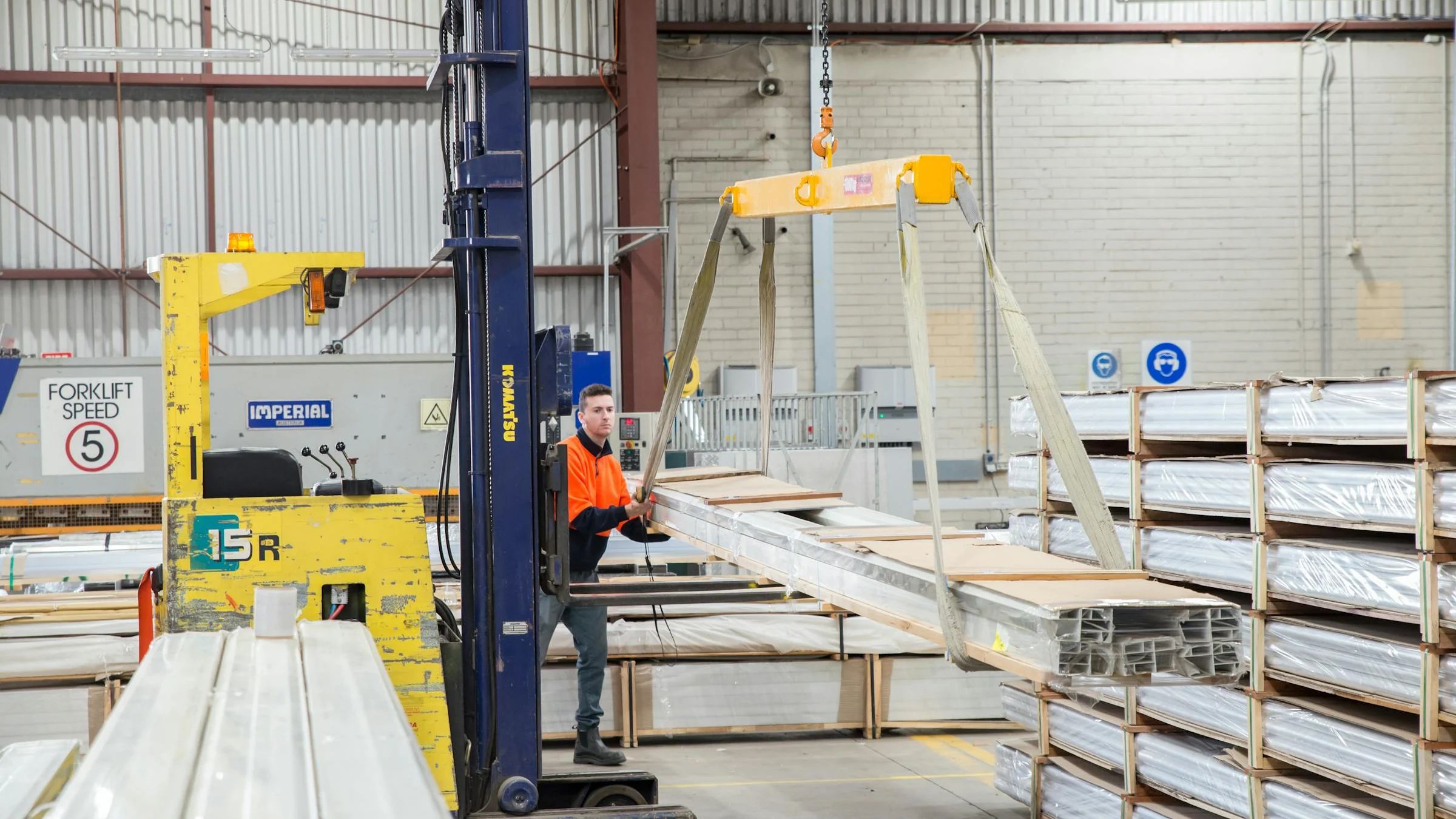
The target is the next process, not only a cleaner-looking part
Brush route, pressure, and sample checks matter when the surface will be visible after packing.
Routes to compare
Machine pages buyers usually compare here
Use this for flat glass, window glass, and door glass where low-pressure cleaning and drying control matter.
Glass For sheet or panel lines Acrylic Board Cleaning MachineCompare this for acrylic or flat plastic boards where water removal and scratch sensitivity both matter.
Acrylic Board For sheet or panel lines Aluminum Plate Cleaning MachineReview this when water marks appear on flat sheet materials before coating, lamination, or packing.
Aluminum PlateHow buyers narrow it down
How to qualify the issue before asking for a quote
- 01
Confirm the mark type
Share close-up photos so the problem can be separated into water minerals, oil film, dust, or drying streaks.
- 02
Check water circulation
Filtration, tank cleanliness, and water replacement habits can decide whether marks keep returning.
- 03
Match drying to panel size
Large panels, slow output, and strong drying expectations need to be checked together before machine choice.
- 04
Protect cosmetic surfaces
Brush route, pressure, and sample checks matter when the surface will be visible after packing.
For a useful quote
Send these details
- Panel material, width, length, thickness, and surface finish
- Photos of the water marks before and after drying
- Water source, cleaning method, and current drying result
- Output target, voltage, drainage, and destination country
Check before order
Not the right fit when
- Panels already etched or chemically damaged before washing
- Curved panels that cannot feed flat through a conveyor
- Projects where water quality is unknown but the target finish is highly cosmetic
Buyer questions
Questions buyers usually want answered before they inquire
Why do water marks remain after washing glass panels?
The cause is usually a mix of water quality, residue left before rinsing, drying strength, and line speed rather than one single machine setting.
Can a glass washing machine reduce water marks before packing?
Yes, when the panel is flat, the surface-risk route is controlled, and the washing, filtration, and drying setup actually match the panel size and finish requirement.
What information helps diagnose water-mark problems faster?
Close-up photos before and after drying, panel size, water source, current cleaning method, and the exact point where the marks appear make the recommendation much more useful.