


Buyer scenario
Glass cleaning before screen printing, coating, or inspection
Glass cleaning before screen printing is usually judged by visible surface stability. Buyers need to remove dust, water marks, and light residue without adding scratch risk or uneven drying before printing, coating, inspection, or packing.
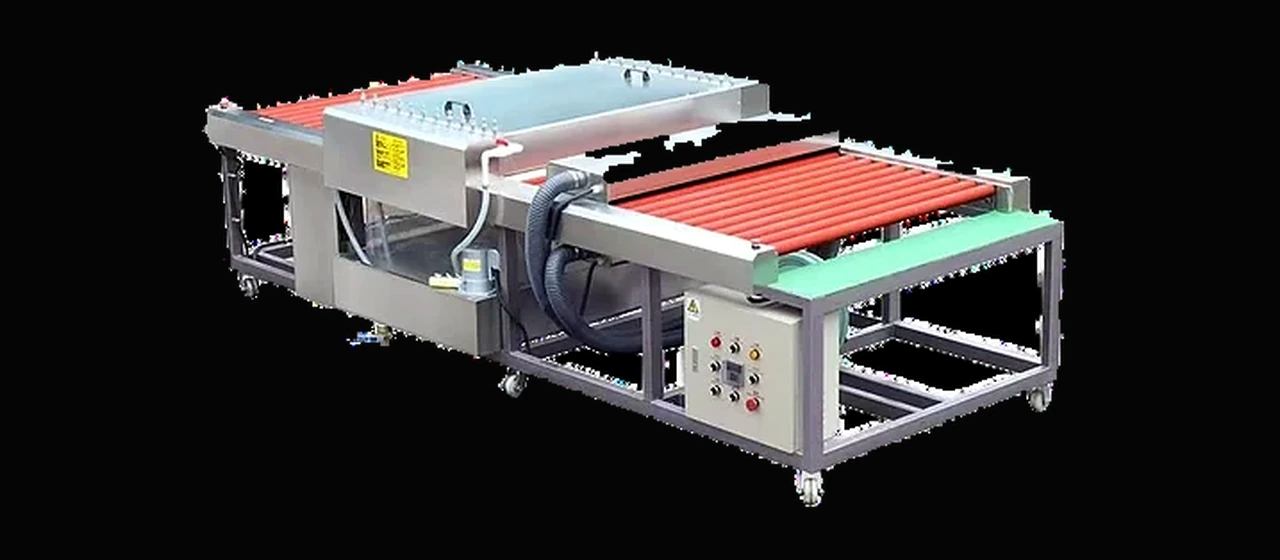
When buyers open this page
Usually a fit when these things are true
- Dust, water marks, or light oil traces remain on flat glass before screen printing.
- The glass is flat enough for conveyor feeding and needs more repeatable cleaning than manual wiping.
- The next process is screen printing, coating, inspection, or pack-ready transfer.
- Surface appearance matters because visible defects show up after the downstream process.
For a useful quote
Send these project details first
- Glass width, length, thickness, and edge condition
- Photos of dust, water marks, or visible defects before printing or coating
- Downstream process after cleaning and drying
- Output target, voltage, drainage, and destination country
Quick visual check
What this project usually looks like before the inquiry is sent
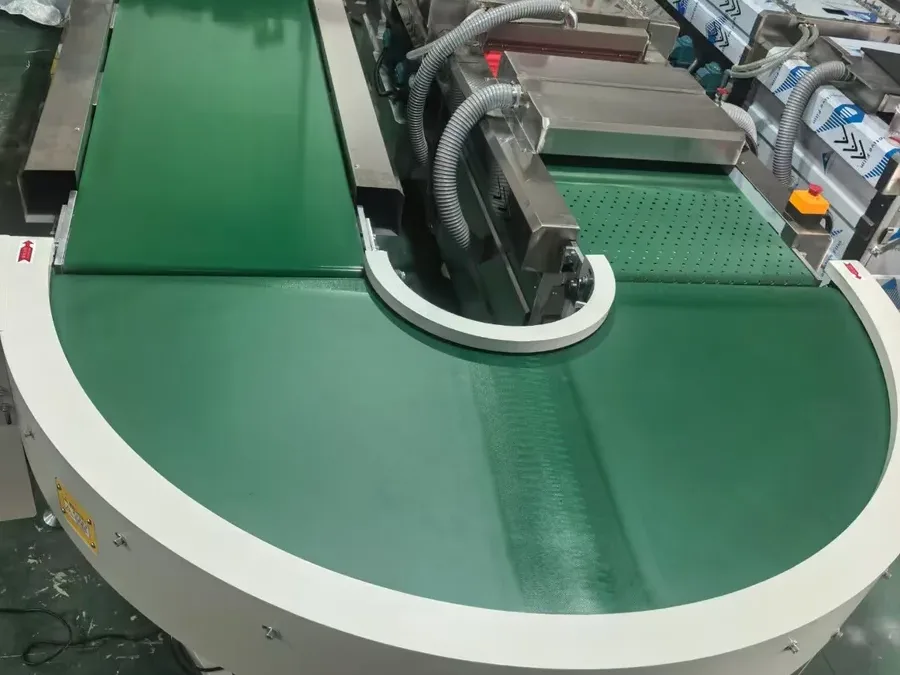
Show the real panel or part condition first
Dust, water marks, or light oil traces remain on flat glass before screen printing.
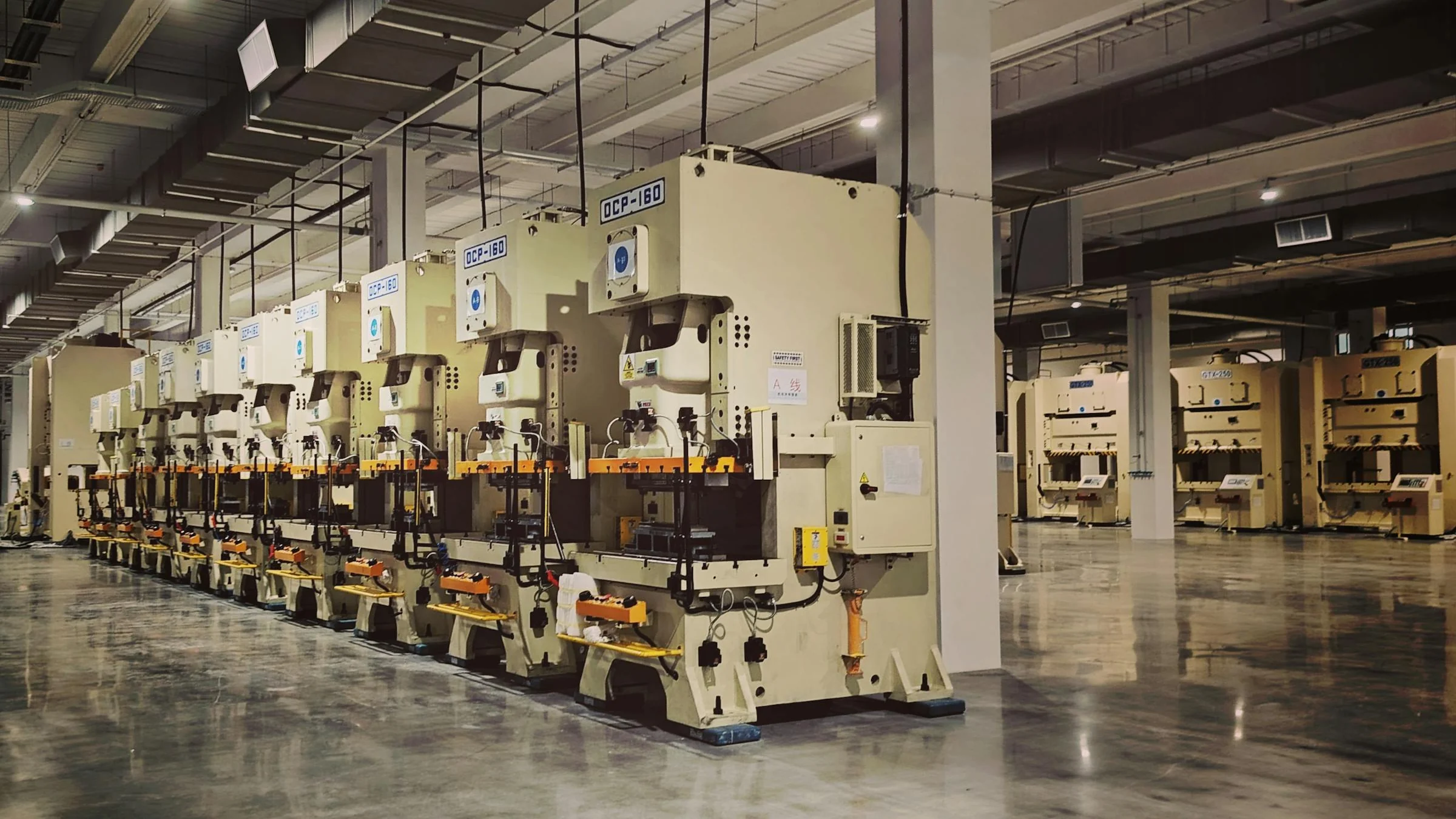
Separate dust from drying defects
Dust, water marks, oil traces, and drying streaks should be screened separately before matching the washing and drying route.
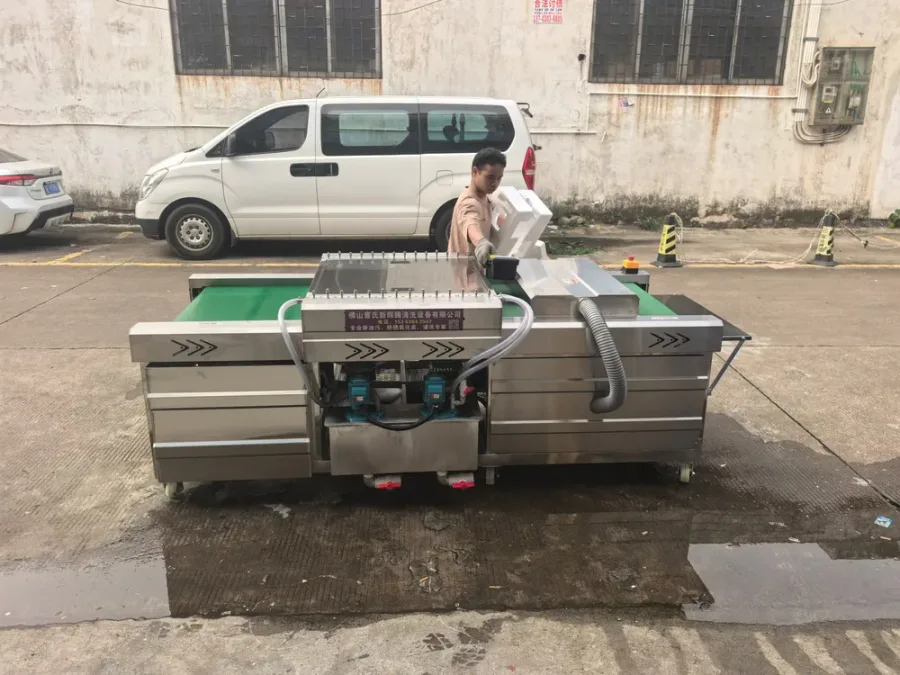
Plan the workshop handoff, not only the machine
Send loading side, unloading route, voltage, drainage, water handling, and the largest or most cosmetic panel in the project.
Routes to compare
Machine pages buyers usually compare here
Use this for flat glass projects where low-pressure washing, drying control, and stable handoff matter before printing or coating.
Glass Also compare Acrylic Board Cleaning MachineCompare this when the workshop also handles scratch-sensitive acrylic or plastic panels with similar appearance-control needs.
Acrylic Board For sheet or panel lines Aluminum Plate Cleaning MachineReview this when the project also includes flat metal sheets and the buyer is comparing one broader panel-cleaning route.
Aluminum PlateHow buyers narrow it down
How to qualify the project before choosing a route
- 01
Define the glass surface standard
Confirm glass size range, thickness, edge condition, and how visible the surface remains after screen printing or coating.
- 02
Separate dust from drying defects
Dust, water marks, oil traces, and drying streaks should be screened separately before matching the washing and drying route.
- 03
Match the downstream print or coating step
Clarify whether the cleaned glass goes to screen printing, coating, inspection, packing, or temporary storage after drying.
- 04
Confirm workshop and transfer facts
Send loading side, unloading route, voltage, drainage, water handling, and the largest or most cosmetic panel in the project.
Check before order
Not the right fit when
- Curved glass or shaped parts that cannot feed flat through the conveyor
- Projects where surface-risk cannot be sample-checked before confirming the route
- Panels already damaged or etched before washing
Buyer questions
Questions buyers usually want answered before they inquire
What machine is usually compared for glass cleaning before screen printing?
Buyers usually start with a flat-glass cleaning line that can remove dust, water marks, and light residue while keeping drying and transfer stable before printing.
Why is glass cleaning before printing stricter than ordinary before-packing cleaning?
Because printing and coating make visible surface defects much easier to notice. The route has to control water marks, dust return, and handoff, not only remove loose dirt.
What details help confirm a glass printing project faster?
Glass size, defect photos, the exact downstream step, and whether the surface is highly cosmetic are the most useful facts to send first.