


Buyer scenario
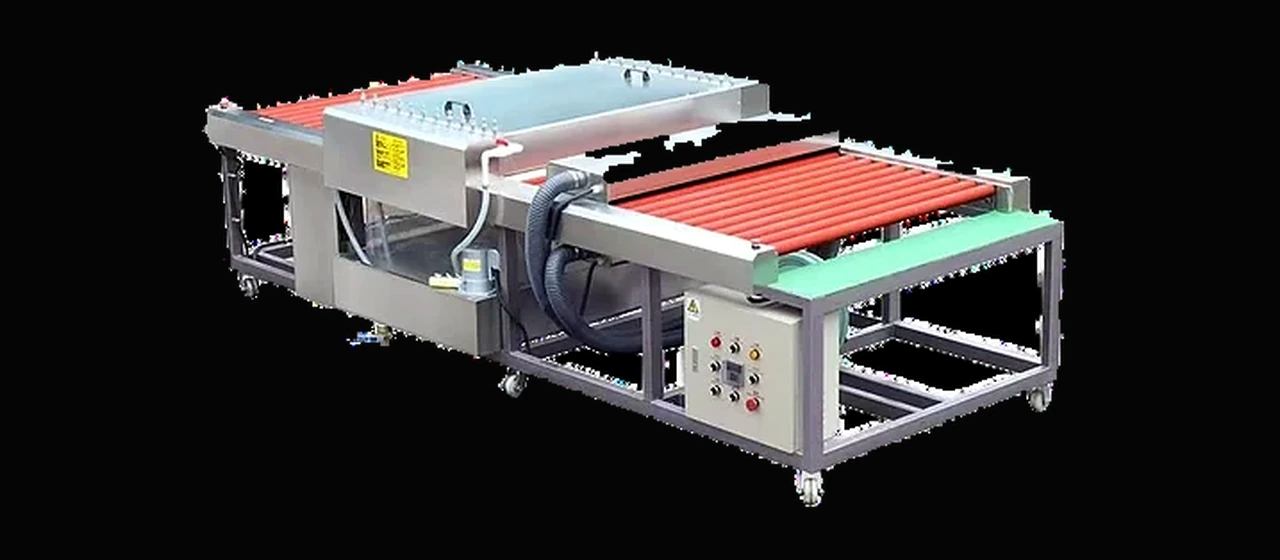
Glass washing machine for window and door factories
Window and door factories usually need a stable cleaning line before packing, glazing, or the next processing step. The main buying decision is whether the machine can clean flat glass without adding scratch risk, unstable drying, or slow manual wiping.
When buyers open this page
Usually a fit when these things are true
- Dust or fine particles remain on flat glass after cutting or handling.
- Water marks appear before packing or before the next workshop process.
- Manual wiping creates inconsistent results across batches.
- The part is flat enough to feed through a conveyor washing line.
For a useful quote
Send these project details first
- Glass size range, thickness, and edge condition
- Photos or video of dust, water marks, oil traces, or fine impurities
- Daily output target and expected line speed
- Voltage, water supply, drainage, and destination country
Quick visual check
What this project usually looks like before the inquiry is sent
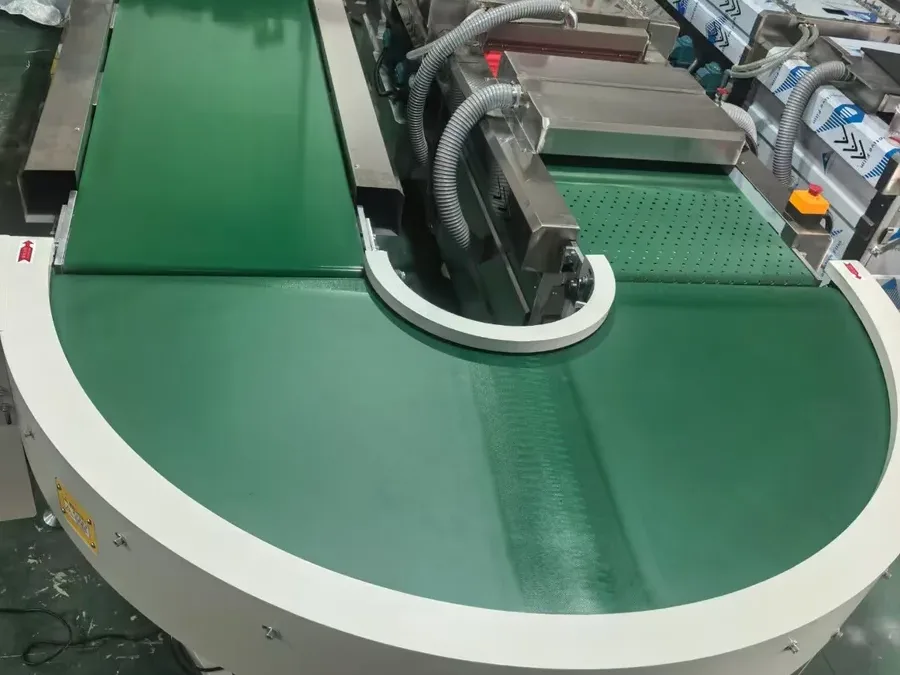
Show the real panel or part condition first
Dust or fine particles remain on flat glass after cutting or handling.
Match water and brush contact
Confirm the cleaning route, filtration, water quality, and pressure before judging whether the surface risk is acceptable.
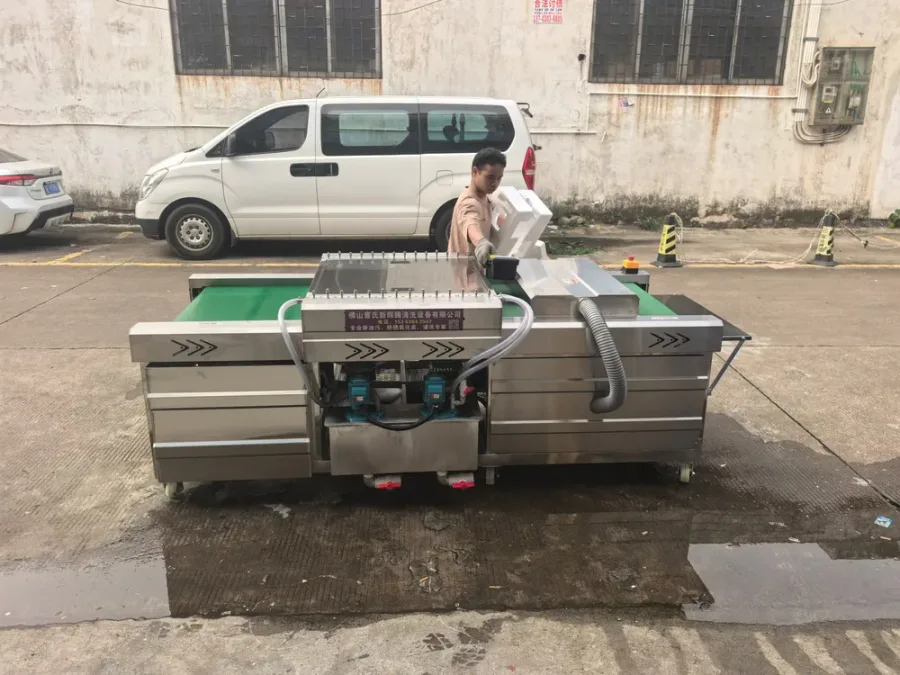
Plan the workshop handoff, not only the machine
Check loading height, unloading route, voltage, drainage, and the available space around the line.
Routes to compare
Machine pages buyers usually compare here
Use this for flat glass, window glass, and door glass where low-pressure washing and careful drying matter.
Glass Also compare Acrylic Board Cleaning MachineCompare this when the same workshop also handles flat acrylic or plastic panels with scratch-sensitive surfaces.
Acrylic Board For line planning Aluminum Plate Cleaning MachineReview this when the project also includes flat aluminum sheet washing before packing or downstream processing.
Aluminum PlateHow buyers narrow it down
How to qualify the project before choosing a route
- 01
Confirm the glass boundary
List glass width, length, thickness, edge condition, and whether the surface is highly cosmetic or normally handled.
- 02
Match water and brush contact
Confirm the cleaning route, filtration, water quality, and pressure before judging whether the surface risk is acceptable.
- 03
Set drying expectations
Define whether the glass must leave the line pack-ready, ready for inspection, or ready for another process.
- 04
Plan workshop handoff
Check loading height, unloading route, voltage, drainage, and the available space around the line.
Check before order
Not the right fit when
- Curved glass or deeply formed parts that cannot feed flat
- Projects where cosmetic scratch risk cannot be sample-checked
- Workpieces outside the reference thickness range without engineering confirmation
Buyer questions
Questions buyers usually want answered before they inquire
Is a glass washing machine suitable for window and door factory production?
Yes, when the glass is flat enough for conveyor feeding and the real target is stable dust removal, water-mark control, and drying before packing, glazing, or the next process.
What details matter before quoting a glass washing machine?
The useful quote inputs are glass width and length range, thickness, edge condition, current residue, drying target, line speed, voltage, drainage, and destination country.
Can the same line be compared for acrylic or other flat panels?
Sometimes yes, but scratch sensitivity and panel material change the contact route. That is why flat acrylic and cosmetic surfaces should be checked separately before confirming one machine route.