


Buying guide
Single tank vs two tank cleaning machine
A two tank cleaning machine is usually considered when one washing stage gets dirty too quickly or the final surface needs a cleaner rinse. The choice should be based on residue load, part geometry, output, and water management.
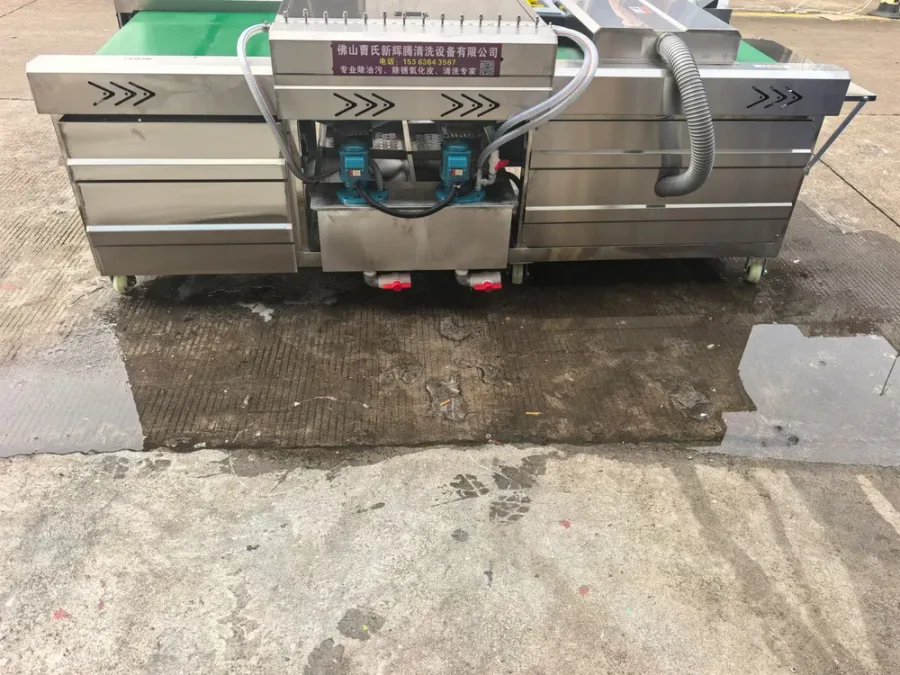
Fast screen
Use this guide when these points are true
- Use a single tank route when residue is light and final cleanliness is not easily contaminated.
- Compare two tanks when heavy oil, chips, wax, or polishing residue overloads the first stage.
- Check whether the second stage is needed for cleaner rinsing, not only for more machine size.
- Confirm filtration, drainage, and drying before assuming two tanks solve every problem.
Buyer intent
Buyer comparing whether a heavier residue project needs separated rough washing and final rinsing.
This page should move the buyer from a broad keyword to a clearer machine route, then into the matching product, application, or quote path.
When a single tank may be enough
A simpler route can work when the residue is light, parts are consistent, and the final surface target is not strict. It is often easier to maintain and quote.
- Light dust or handling oil may not need separated rough washing.
- Lower output or less strict packing targets can use a simpler route.
- Single tank layouts can reduce footprint and utility complexity.
When two tanks should be compared
Two tanks become more useful when the first stage becomes dirty quickly and carries residue into the final result.
- Heavy oil, wax, chips, and polishing compound can overload one bath.
- A separate rinse can help stabilize final surface quality.
- Batch consistency matters when parts go to packing, assembly, or coating.
Do not ignore drying and water management
More tanks do not automatically mean a better final result. Filtration, tank maintenance, water carry-over, and drying still decide whether the line is stable.
- Ask how dirty water is controlled between stages.
- Define the drying target after the final rinse.
- Check whether chips, oil, or wax need extra filtration planning.
Specification table
Inputs that change the machine recommendation
For a useful quote
Send these details first
- Residue photos before cleaning
- Part material, size, and geometry
- Current one-stage cleaning result
- Final surface and drying target
- Output, water handling, and workshop space
When should a buyer choose a two tank cleaning machine?
A two tank route should be compared when heavy oil, chips, wax, or dirty rough washing keeps contaminating the final surface.
Is a two tank cleaning machine always better than a single tank?
No. If residue is light and the final target is simple, a single tank route may be enough. Two tanks add value when separated rough washing and cleaner rinsing are truly needed.