


Buyer scenario
Flat metal parts oil removal before packing or assembly
Flat metal parts often leave machining, polishing, or handling with oil, wax, stains, or water residue. A good cleaning line starts with part geometry and residue type, then confirms brush contact, water handling, drying, and packing requirements.
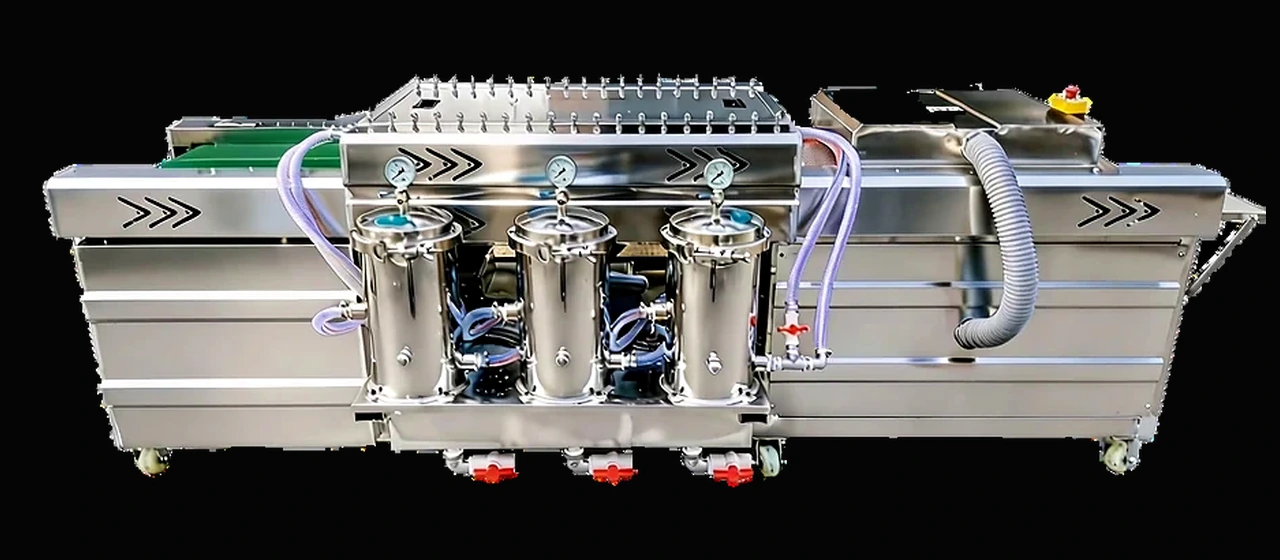
When buyers open this page
Usually a fit when these things are true
- Parts are flat enough for stable conveyor feeding.
- Oil, wax, stain, or polishing residue must be removed before packing.
- Water residue after washing affects storage or assembly.
- Manual cleaning is unstable across batch work.
For a useful quote
Send these project details first
- Part material, thickness, width, and edge condition
- Photos of oil, wax, stain, chips, or polishing residue
- Output target and drying standard
- Voltage, floor space, drainage, and destination country
Quick visual check
What this project usually looks like before the inquiry is sent
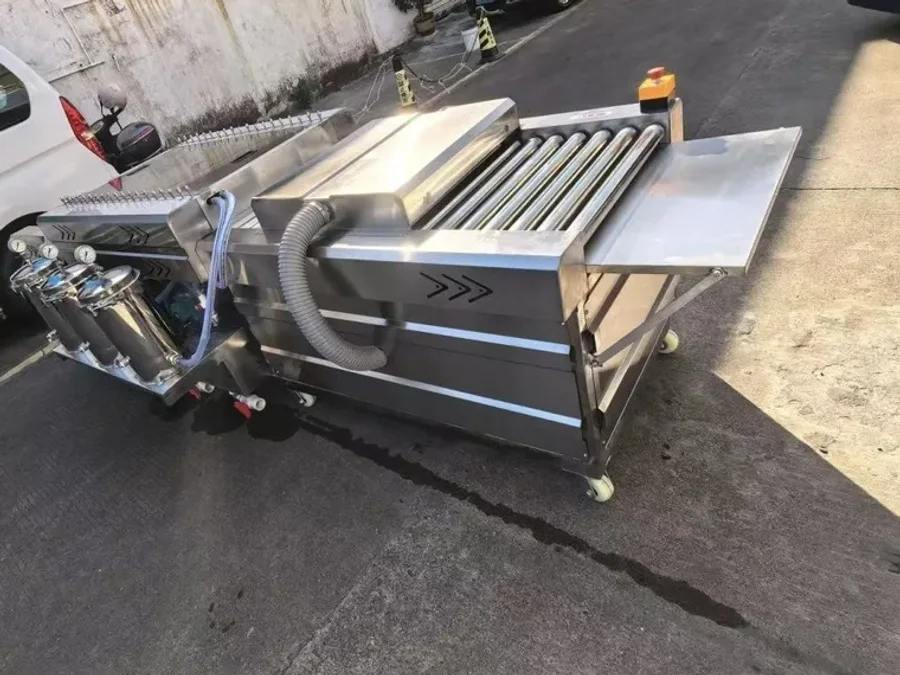
Show the real panel or part condition first
Parts are flat enough for stable conveyor feeding.
Separate oil from wax
Photos and sample descriptions help tell light oil apart from stubborn wax or polishing compound.
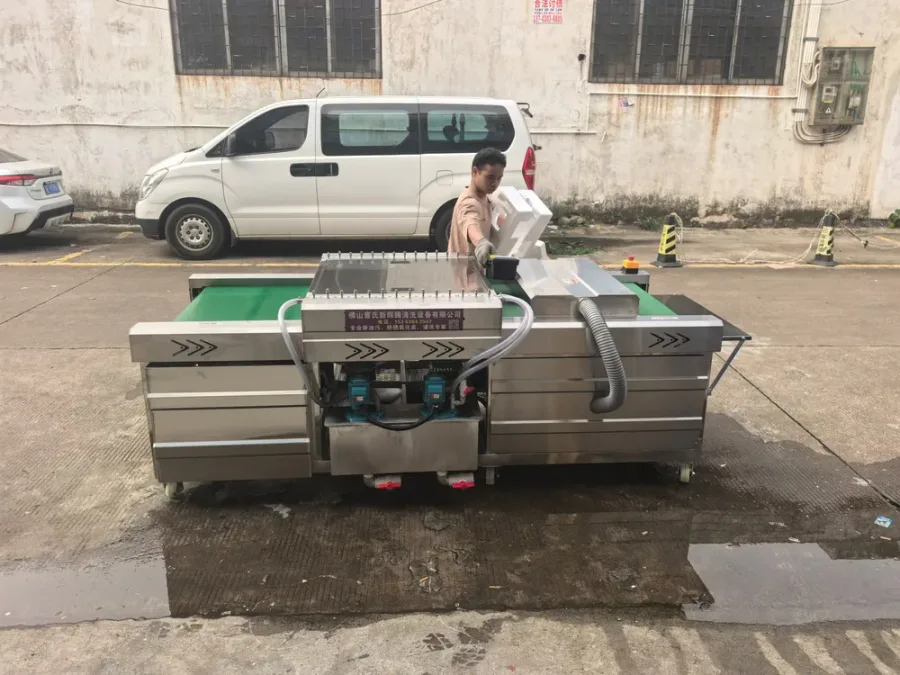
Plan the workshop handoff, not only the machine
Send voltage, floor space, drainage, batch output, and packing method before final machine sizing.
Routes to compare
Machine pages buyers usually compare here
Use this for saw blades, knives, scissors, tools, and thin flat hardware parts needing brush washing and drying.
Flat Hardware Rinse separation Two Water Tank Cleaning MachineCompare this when rough washing and finer rinsing need to be separated for heavier oil or chip load.
Two Tank Irregular surface Filter Hardware Cleaning MachineReview this when parts are not fully flat or need more flexible brush contact.
Filter HardwareHow buyers narrow it down
How to qualify the project before choosing a route
- 01
Screen the part shape
Confirm thickness, flatness, edges, holes, and whether parts can feed without stacking, tipping, or turning.
- 02
Separate oil from wax
Photos and sample descriptions help tell light oil apart from stubborn wax or polishing compound.
- 03
Set drying standard
Decide whether parts need to be pack-ready, warm but dry, or simply dry enough for the next station.
- 04
Prepare quote facts
Send voltage, floor space, drainage, batch output, and packing method before final machine sizing.
Check before order
Not the right fit when
- Tall formed parts or deep cavity parts that cannot feed flat
- Mirror-finish surfaces without sample confirmation
- Parts with geometry that may jam during conveyor feeding
Buyer questions
Questions buyers usually want answered before they inquire
What kinds of flat metal parts fit this oil-removal route?
This route fits parts like blades, knives, tools, flat hardware, and thin processed metal parts that can feed stably on a conveyor without stacking or tipping.
Can one machine handle oil removal and drying before packing?
Often yes, as long as the residue type, part flatness, and final dryness target are clear. The machine choice changes when the project needs stronger rinsing separation or handles irregular geometry.
What usually blocks a useful quotation for flat metal part cleaning?
The biggest blockers are missing photos, unclear oil or wax condition, no maximum part size, and no drying target. Without those, the machine family is easy to misjudge.