

Common buying question
Heavy oil removal from metal parts
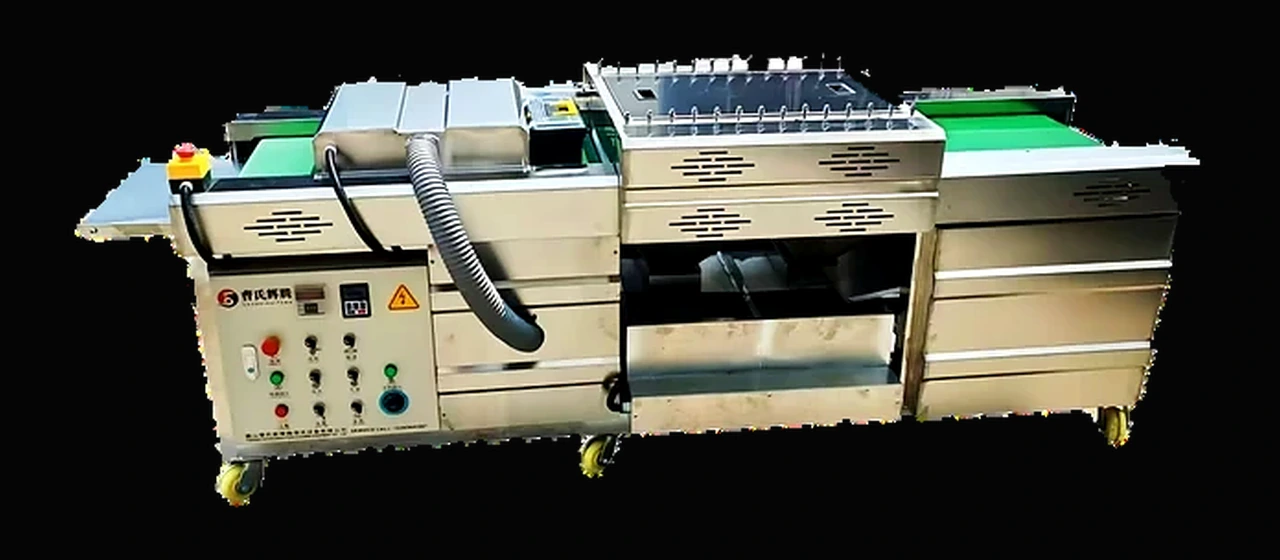
Heavy oil removal is not just a pressure question. The right cleaning line depends on oil load, part geometry, chip volume, water temperature, filtration, and whether rough washing should be separated from final rinsing.
When buyers open this page
Usually a fit when these things are true
- Oil remains after machining, heat treatment, polishing, or handling.
- Metal chips or mixed residue circulate back onto the part.
- One washing stage leaves unstable results across batches.
- The workshop needs water removal and drying before storage or assembly.
Check these points first
Do not choose the route from one symptom alone
Separate light handling oil from heavy oil, wax, polishing compound, and chip-heavy residue.
Confirm whether the workpiece is flat, irregular, tall, sharp, or likely to trap liquid.
Use a two-stage route when rough washing contaminates the final surface too quickly.
Define whether parts need to be pack-ready, storage-ready, or only ready for the next process.
Quick visual check
What this issue usually looks like on the line before asking price
Start from the residue that keeps blocking stable output
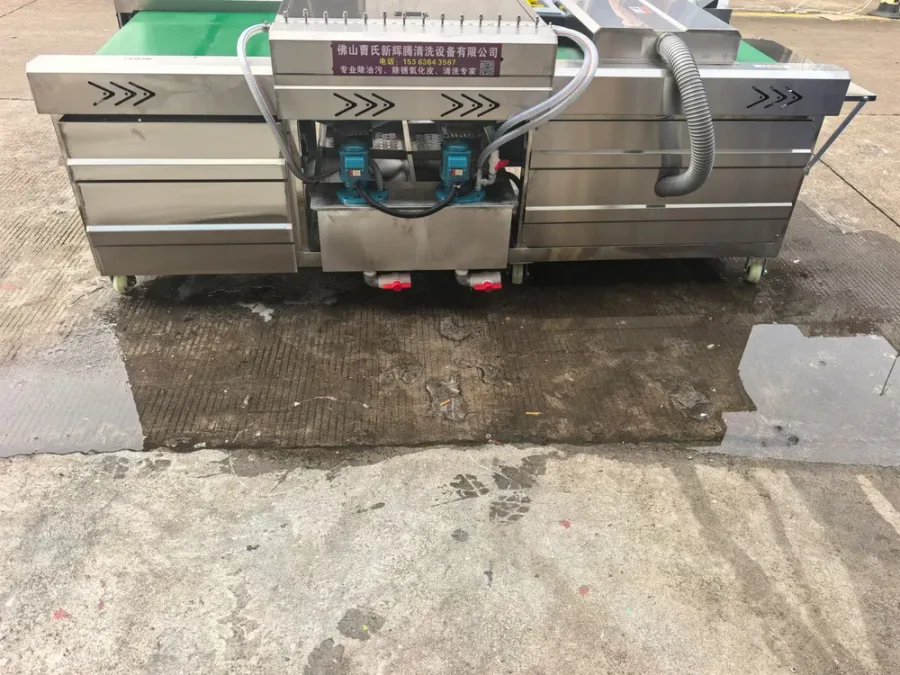
Oil remains after machining, heat treatment, polishing, or handling.
Screen the feeding route
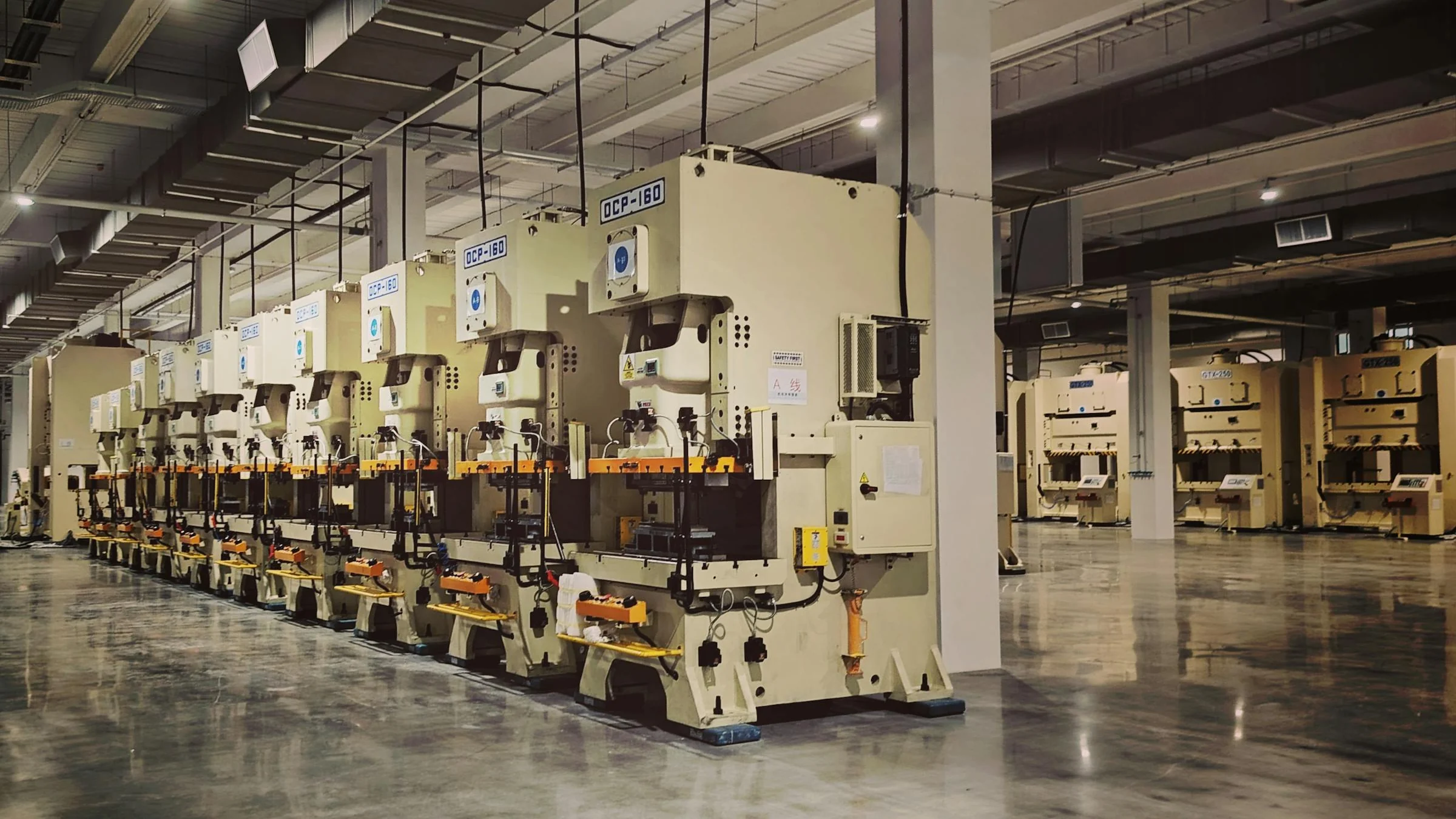
Check part thickness, holes, sharp edges, stacking behavior, and whether parts can feed without turning over.
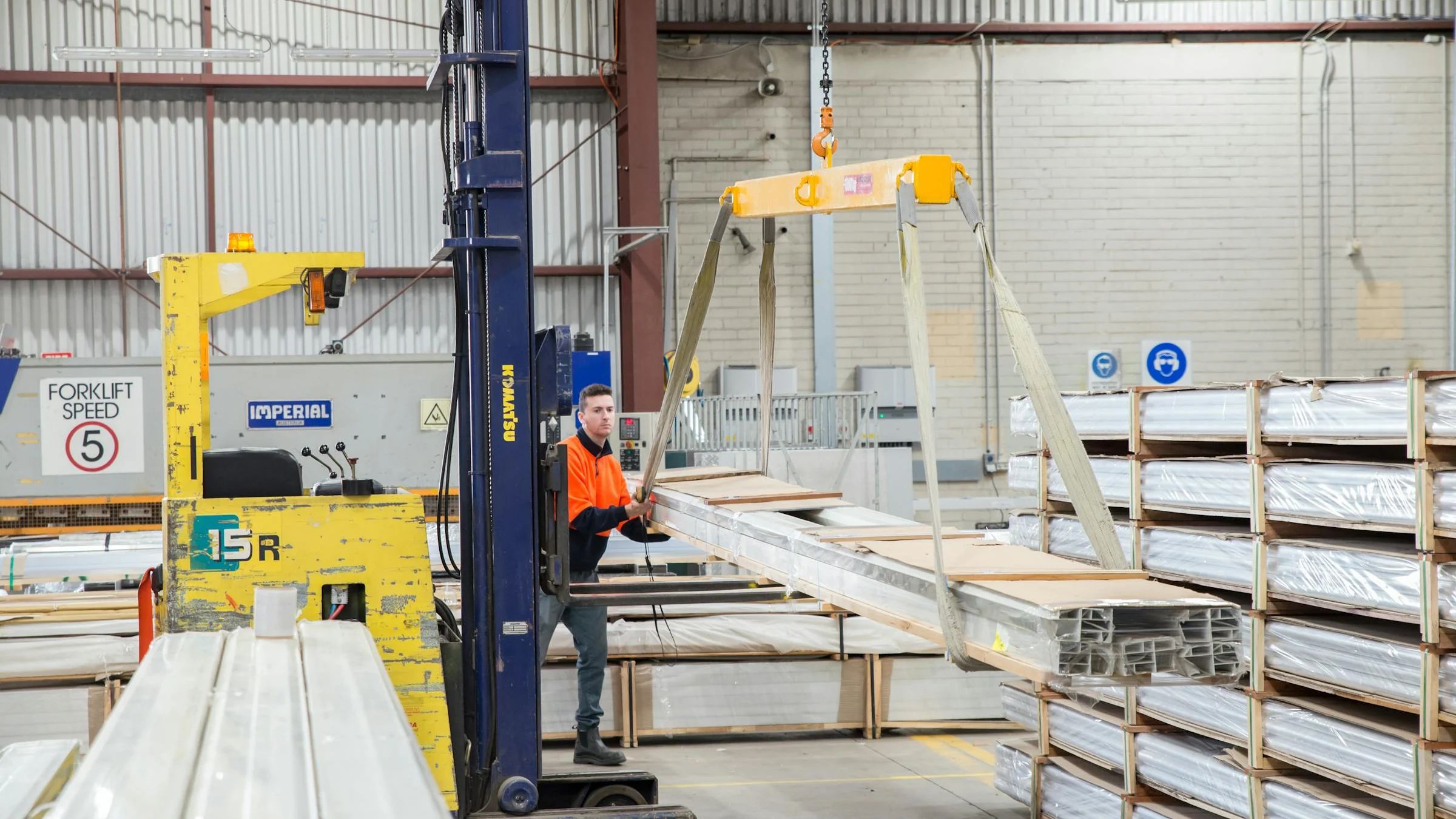
The target is the next process, not only a cleaner-looking part
Oil load, chip volume, temperature, filtration, and drainage all affect whether the cleaning result stays stable.
Routes to compare
Machine pages buyers usually compare here
Use this when rough washing and finer rinsing should be separated for more stable batch cleaning.
Two Tank For flatter parts Flat Hardware Tool Cleaning MachineCompare this when the part is thin and flat enough for brush washing plus one-pass drying.
Flat Hardware For more complex part shapes Filter Hardware Cleaning MachineReview this for flat or partly irregular hardware that needs flexible brush contact and hot-air drying.
Filter HardwareHow buyers narrow it down
How to qualify the issue before asking for a quote
- 01
Identify the residue mix
Photos and short videos help separate oil, chips, wax, polishing compound, and heat-treatment residue before machine sizing.
- 02
Screen the feeding route
Check part thickness, holes, sharp edges, stacking behavior, and whether parts can feed without turning over.
- 03
Decide on one or two tanks
A two-tank route is useful when the first washing stage gets dirty quickly or the final surface needs a cleaner rinse.
- 04
Confirm water and filtration
Oil load, chip volume, temperature, filtration, and drainage all affect whether the cleaning result stays stable.
For a useful quote
Send these details
- Part photos, material, thickness, width, and geometry
- Oil, wax, chip, or polishing-compound details
- Current cleaning method and target surface result
- Daily output, voltage, drainage, floor space, and destination country
Check before order
Not the right fit when
- Deep cavity parts that hold oil and cannot drain reliably
- Chemical processes that need a confirmed solvent or detergent recipe first
- Mirror-finish parts where brush contact has not been sample-tested
Buyer questions
Questions buyers usually want answered before they inquire
What machine is often used for heavy oil removal from metal parts?
A two-stage or heavier-duty washing route is often compared first, especially when oil, chips, wax, or polishing residue quickly contaminate the final rinse.
Why is one washing stage sometimes not enough for oily metal parts?
Because rough washing can load the water too fast. When that happens, the final surface becomes unstable and the line may need separated rough washing and cleaner rinsing.
What should be confirmed before quoting an oil-removal machine?
Part geometry, oil load, chip volume, daily output, drying result, voltage, drainage, and whether the parts can feed flat all matter before machine sizing.