


Buyer scenarios
Buyer Scenarios for Industrial Sheet and Parts Cleaning
Start with the production problem, then match the machine by material, residue, surface risk, drying target, and workshop handoff.
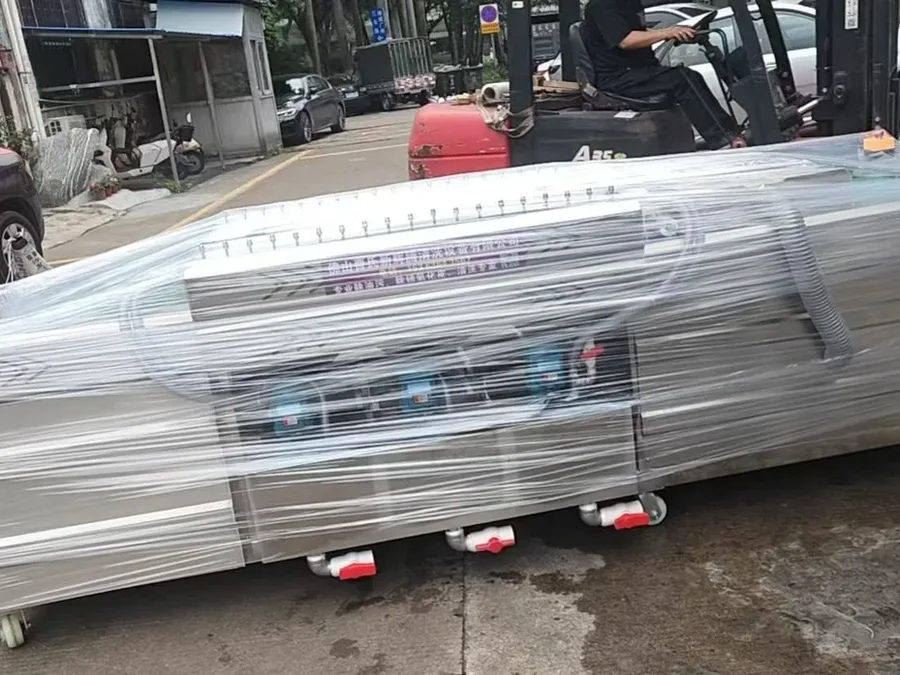
How buyers usually move here
Start from flat sheet width, surface finish, residue type, and the next production step.
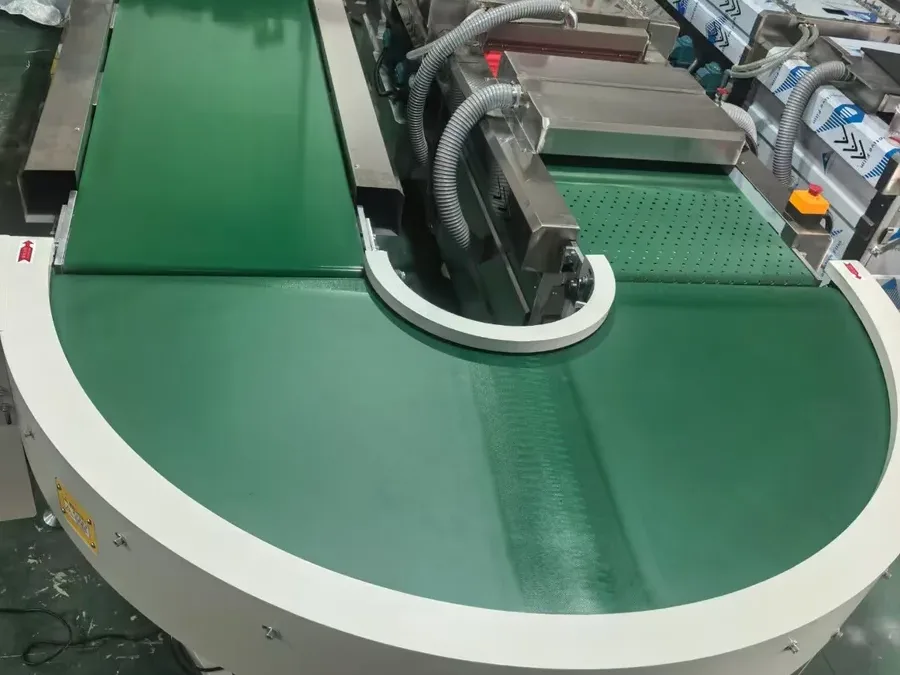
Use this route when water marks, dust control, and cosmetic surface risk are the main concern.
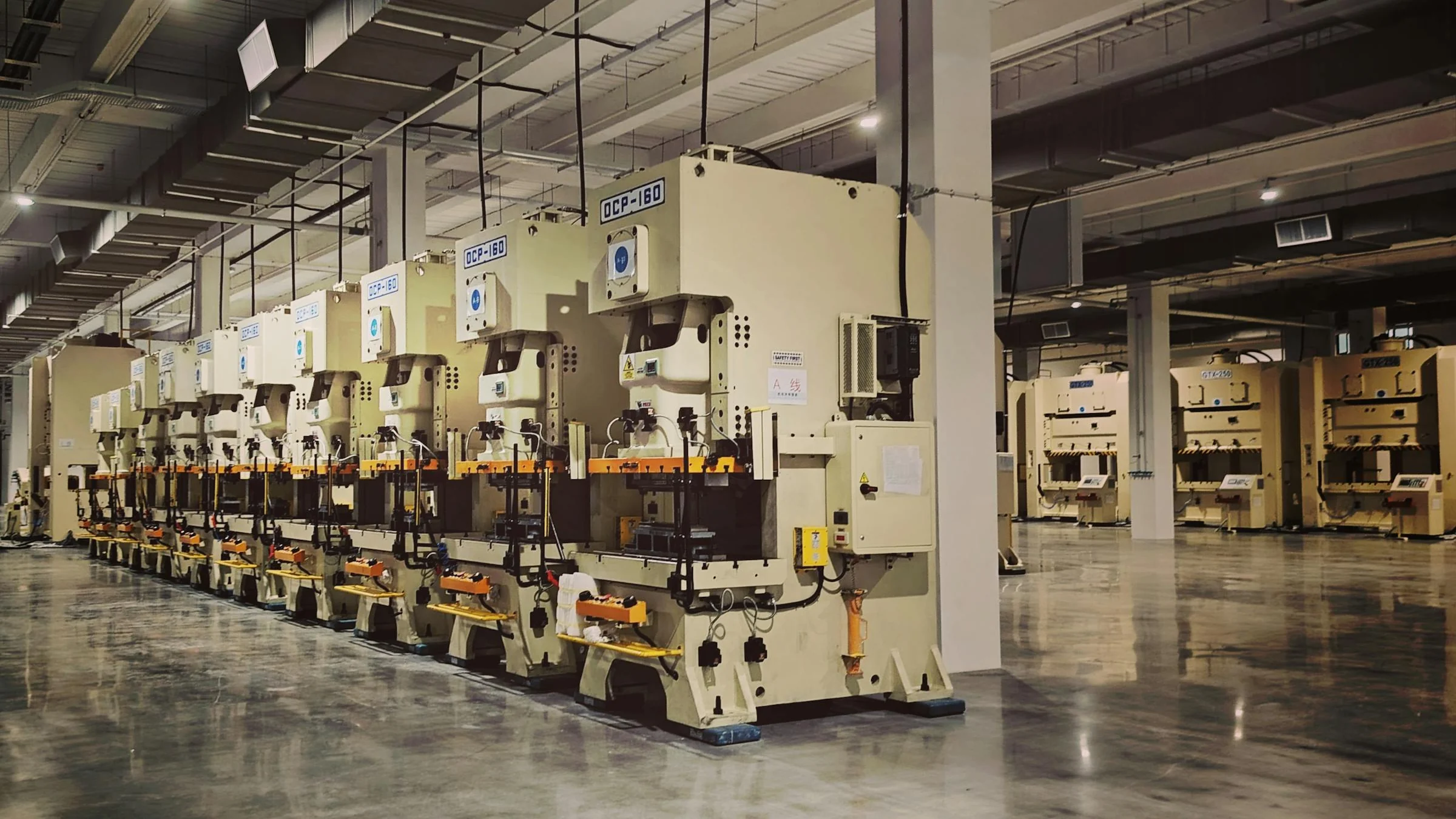
Jump to oil, water-mark, packing dryness, and residue-led buying paths for faster diagnosis.
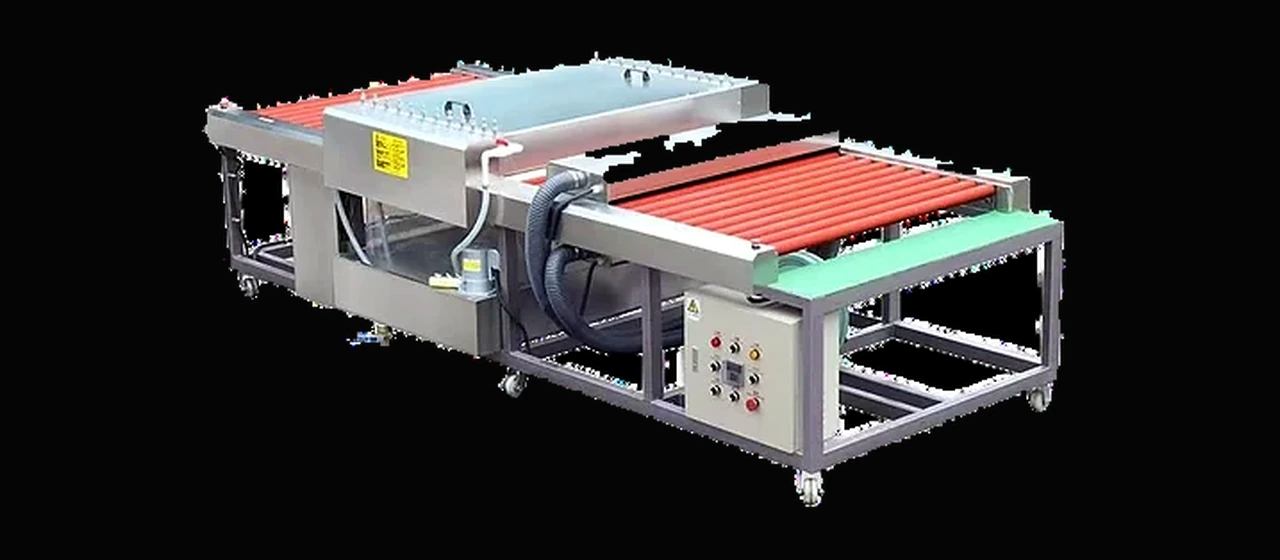
Buyer scenario
Glass washing machine for window and door factories
Window and door factories usually need a stable cleaning line before packing, glazing, or the next processing step. The main buying decision is whether the machine can clean flat glass without adding scratch risk, unstable drying, or slow manual wiping.
Open scenario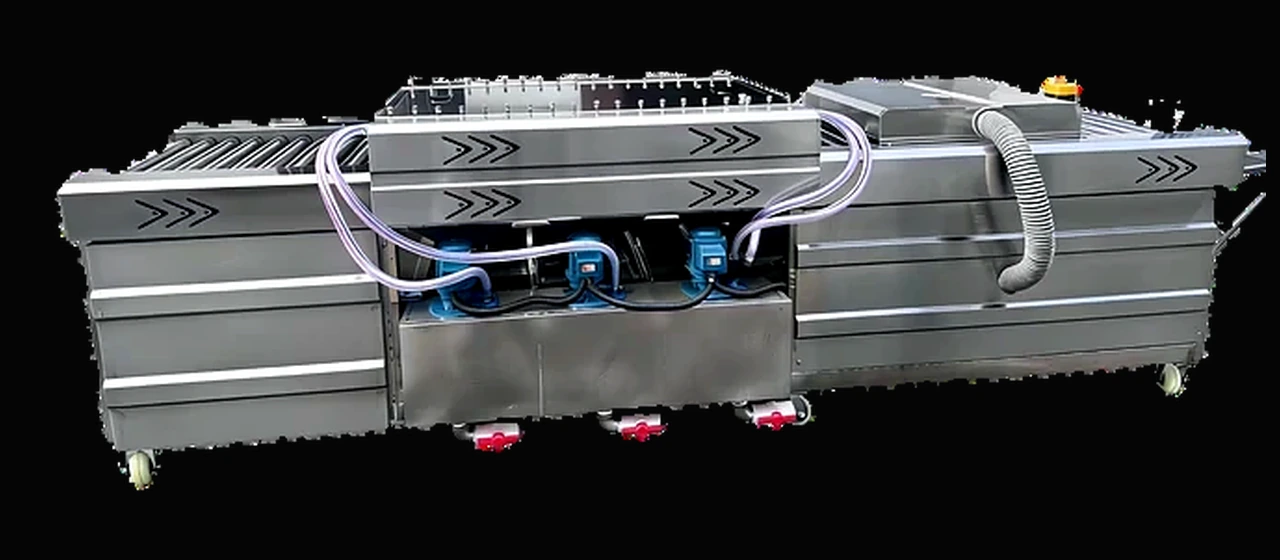
Buyer scenario
Aluminum sheet cleaning before coating, lamination, or packing
Aluminum sheet cleaning before coating or packing is mainly about stable surface preparation. The line must remove dust, light oil, and handling residue while matching sheet width, surface finish, drying needs, and downstream handoff.
Open scenario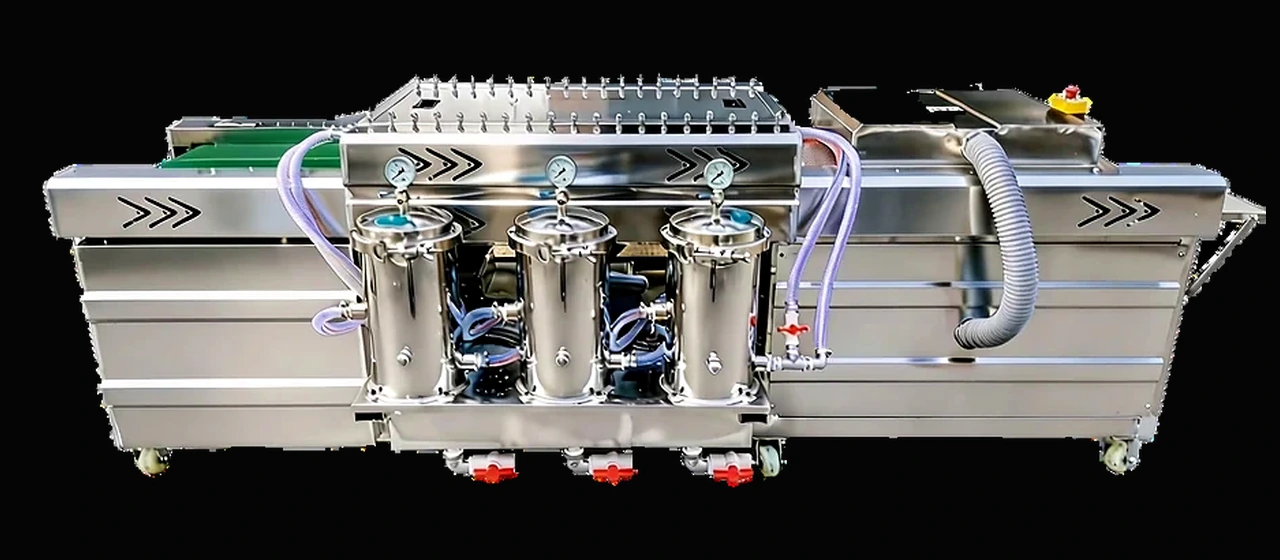
Buyer scenario
Flat metal parts oil removal before packing or assembly
Flat metal parts often leave machining, polishing, or handling with oil, wax, stains, or water residue. A good cleaning line starts with part geometry and residue type, then confirms brush contact, water handling, drying, and packing requirements.
Open scenario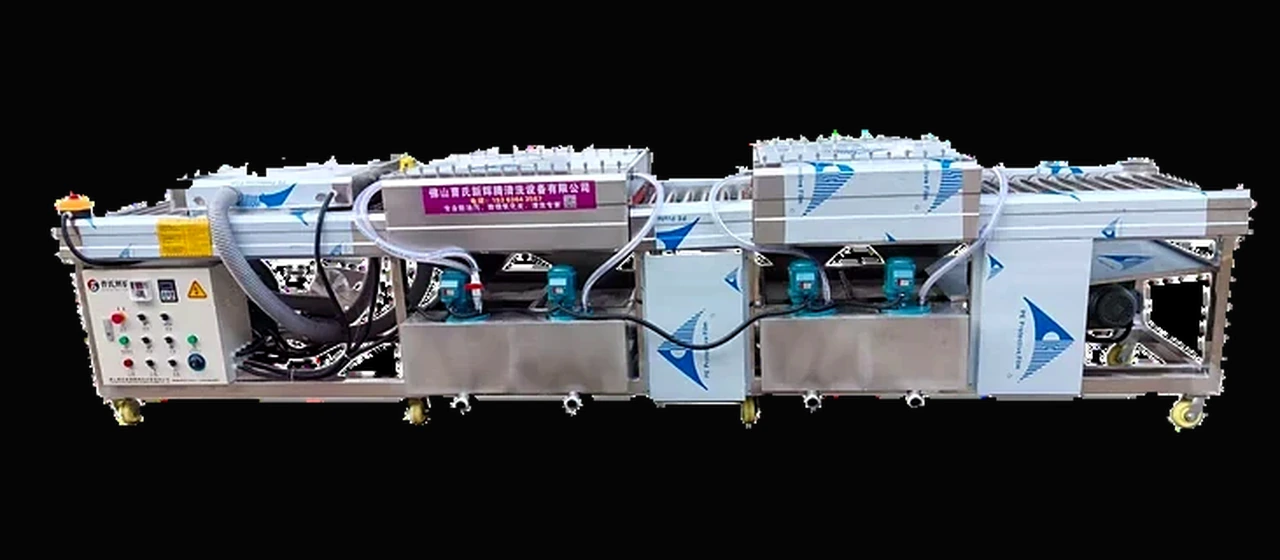
Buyer scenario
Acrylic sheet cleaning before packing, film lamination, or thermoforming
Acrylic sheet cleaning is usually judged by surface appearance risk. Buyers need to remove dust, light residue, and water marks without creating new scratches, unstable drying, or manual wiping bottlenecks before packing or the next process.
Open scenario Buyer scenario
Stainless steel sheet cleaning before protective film lamination or packing
Stainless steel sheet cleaning is usually judged by the next visible surface step. Buyers need a line that can remove light oil, dust, and water marks while keeping sheet transfer stable before protective film lamination, inspection, or packing.
Open scenario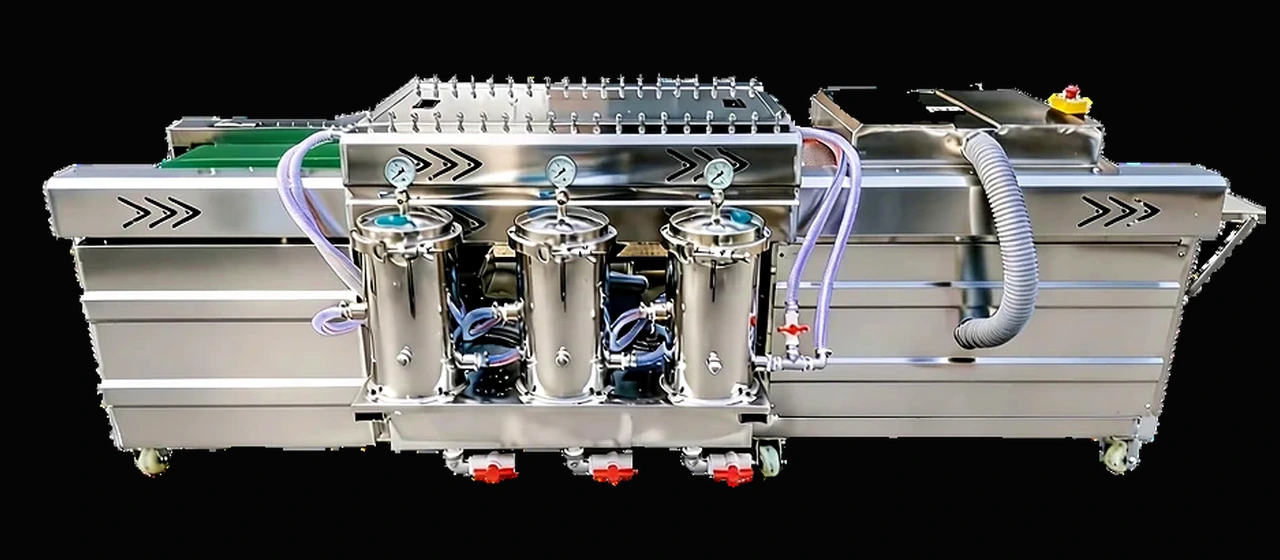
Buyer scenario
Hardware parts cleaning before powder coating, painting, or assembly
Hardware parts cleaning before coating or assembly usually starts from residue behavior and part geometry. Buyers need to know whether the parts stay stable on a conveyor, whether oil and polishing carry-over can be controlled, and whether drying is good enough for the next process.
Open scenario Buyer scenario
Glass cleaning before screen printing, coating, or inspection
Glass cleaning before screen printing is usually judged by visible surface stability. Buyers need to remove dust, water marks, and light residue without adding scratch risk or uneven drying before printing, coating, inspection, or packing.
Open scenario Buyer scenario
Filter and hardware parts cleaning before assembly or inspection
Filter and hardware parts cleaning before assembly is usually about stability, not only visible cleanliness. Buyers need to control oil, polishing residue, and water carry-over while keeping part geometry stable enough for repeatable washing and drying.
Open scenario Buyer scenario
Aluminum sheet cleaning before protective film lamination or packing
Aluminum sheet cleaning before protective film lamination is usually judged by visible surface consistency. Buyers need to remove handling oil, dust, and water marks while keeping the sheet dry and stable enough for lamination, inspection, or packing.
Open scenario Buyer scenario
Hardware parts cleaning before electroplating, coating, or assembly
Hardware parts cleaning before electroplating usually starts from residue behavior and part geometry. Buyers need to know whether oil, polishing carry-over, and water residue can be controlled well enough before plating, coating, or assembly.
Open scenario Buyer scenario
Glass cleaning before packing, final inspection, or shipment
Glass cleaning before packing or final inspection is usually about appearance stability. Buyers need to remove dust, water marks, and light residue while keeping the panel dry and safe enough for final inspection, packing, and shipment.
Open scenario Buyer scenario
Precision hardware cleaning before quality inspection or packing
Precision hardware cleaning before quality inspection is usually about stable surface results across batches. Buyers need to control oil, polishing residue, dust, and water carry-over while keeping parts dry enough for inspection, packing, or assembly handoff.
Open scenario Buyer scenario
Glass cleaning line before export packing or shipment handoff
Glass cleaning before export packing is usually judged by how stable the final handoff is. Buyers need to remove dust, water marks, and light residue while keeping the glass dry enough for packing, inspection, and shipment without adding scratch risk or recontamination.
Open scenario Buyer scenario
Hardware parts cleaning before sample approval or order confirmation
Hardware cleaning before sample approval is usually about proving that the route can stay stable, not only getting one clean sample. Buyers need to control oil, polishing residue, dust, and water carry-over before inspection, sample sign-off, or order confirmation.
Open scenario Buyer scenario
Stainless steel sheet cleaning before export packing or inspection
Stainless steel sheet cleaning before export packing is usually judged by visible finish stability. Buyers need to remove oil film, dust, and water marks while keeping the sheet dry enough for packing and inspection without adding new wipe marks or handling defects.
Open scenario Buyer scenario
Aluminum sheet cleaning before sample approval or order confirmation
Aluminum sheet cleaning before sample approval is usually about proving stable surface results, not only producing one acceptable sample. Buyers need to control oil film, dust, and water carry-over well enough for inspection, sign-off, or order confirmation.
Open scenario