 Industrial Cleaning & Drying Systems


Application guide
Aluminum sheet cleaning before coating, lamination, or packing
This guide helps to choose aluminum sheet cleaning before coating, lamination, or packing. Check the part size, surface requirement, required output, and workshop conditions before requesting a quote.
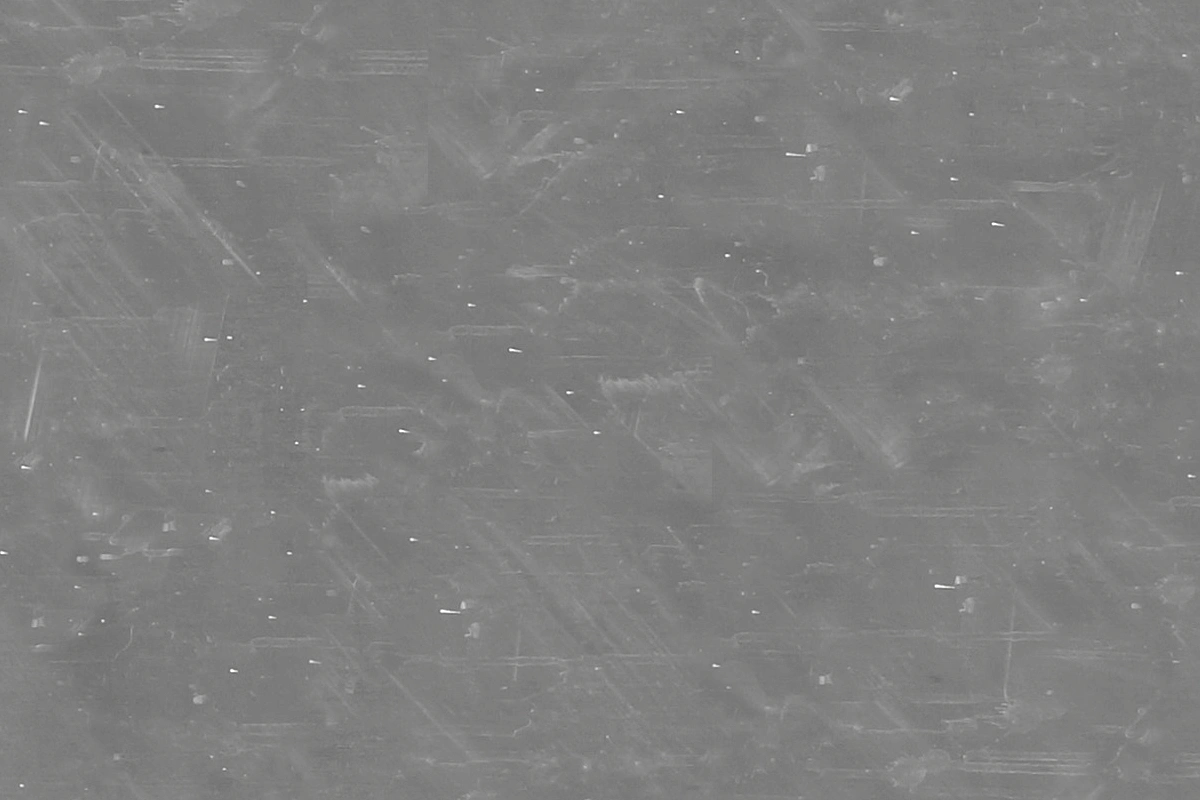
Suitable when
Common cleaning needs for this application
- Oil, dust, or handling residue remains before coating or lamination.
- Water marks appear after manual rinsing or batch washing.
- The sheet is flat and can travel through a conveyor line.
- The next process needs repeatable drying instead of manual transfer.
For a quote
Details to send us
- Largest sheet width, length, thickness, surface finish, and whether protective film is present
- Residue type, contamination photos, and the actual target surface result before coating, lamination, or packing, including reject examples if they exist
- Downstream process after cleaning and drying, including whether the sheet must be process-ready or pack-ready
- Factory layout, voltage, water handling, loading side, and delivery country
Recommended machines
Recommended machines
Choose based on your part size, residue, required drying result, and available workshop space.
Best for flat aluminum sheets and stainless steel plates that need brush washing and one-pass drying.
View Aluminum Plate machine Thin part fit Flat Hardware Tool Cleaning MachineCompare this when the project is closer to flat hardware, blades, or smaller metal workpieces.
View Flat Hardware machine Heavier residue fit Two Water Tank Cleaning MachineReview this when the oil load is high enough to benefit from rough washing and finer rinsing separation.
View Two Tank machineBefore you order
What to confirm with us
- 01
Define the sheet surface
Confirm material, surface finish, protective film, sheet width, length, thickness, and cosmetic requirements, because the visible face may need a stricter machine setup than your team first assumes.
- 02
Identify the residue
Separate light handling oil, dust, polishing residue, water marks, and mixed contamination before choosing the machine setup. If the residue source is unclear, price review is usually premature.
- 03
Connect the next process
Clarify the sheet goes to coating, lamination, packing, storage, or another production station after drying, because each downstream step defines a different surface-preparation standard. If you already have a reject photo or approval sample, send that before requesting a quote.
- 04
Check floor and utilities
Confirm voltage, machine access, loading side, drainage, water supply, and operator space before quote so layout issues do not block the project after the machine setup is already chosen.
Common questions
Questions to settle before you request a machine recommendation
The final setup depends on your part, residue, output target, utilities, and required result.
Can I choose a machine from this page alone?
This page is a starting point. The final machine depends on your real part, the residue, the drying result you need, and the available production space.
What should I send before requesting a quote?
Send the details that decide the layout first: Largest sheet width, length, thickness, surface finish, and whether protective film is present Residue type, contamination photos, and the actual target surface result before coating, lamination, or packing, including reject examples if they exist Downstream process after cleaning and drying, including whether the sheet must be process-ready or pack-ready Factory layout, voltage, water handling, loading side, and delivery country
When should I ask for a technical check first?
Please ask us to check first if any of these apply: Curved sheets or formed panels that cannot stay flat during feeding Highly cosmetic panels where brush contact has not been sample-tested Heavy oil projects that need chemical process confirmation before machine selection
What customers usually need to confirm
This machine may not be suitable when
- Curved sheets or formed panels that cannot stay flat during feeding
- Highly cosmetic panels where brush contact has not been sample-tested
- Heavy oil projects that need chemical process confirmation before machine selection
- Projects where the downstream approval standard is still described only as 'needs to be clean' without a clearer reject threshold
