


Common buying question
Tank cleaning machine for heavy oil metal parts
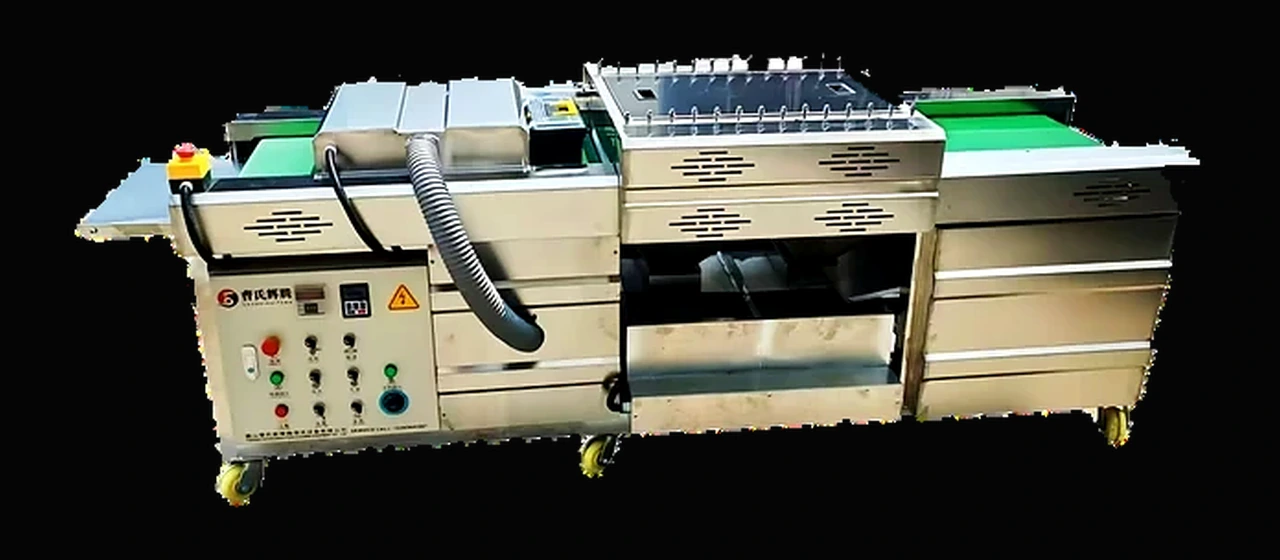
A tank cleaning machine project usually starts when one wash stage becomes dirty too quickly. For heavy oil metal parts, the real decision is whether rough washing, finer rinsing, filtration, and drying should be separated so the final surface stays stable across batches.
When buyers open this page
Usually a fit when these things are true
- The first washing water becomes oily or dark very quickly.
- Metal chips, black residue, or oil film return to the part after washing.
- Manual tank washing or one-stage cleaning cannot keep batch quality stable.
- Parts must be dry enough for packing, storage, coating, or assembly after cleaning.
Check these points first
Do not choose the route from one symptom alone
Use two tanks when rough washing contaminates the final rinse too fast.
Confirm whether the issue is oil film, heavy oil, chips, black residue, wax, or mixed contamination.
Check whether parts are flat, nested, perforated, sharp, or likely to carry liquid between stages.
Define whether the target is pack-ready, storage-ready, coating-ready, or only ready for the next process.
Quick visual check
What this issue usually looks like on the line before asking price
Start from the residue that keeps blocking stable output
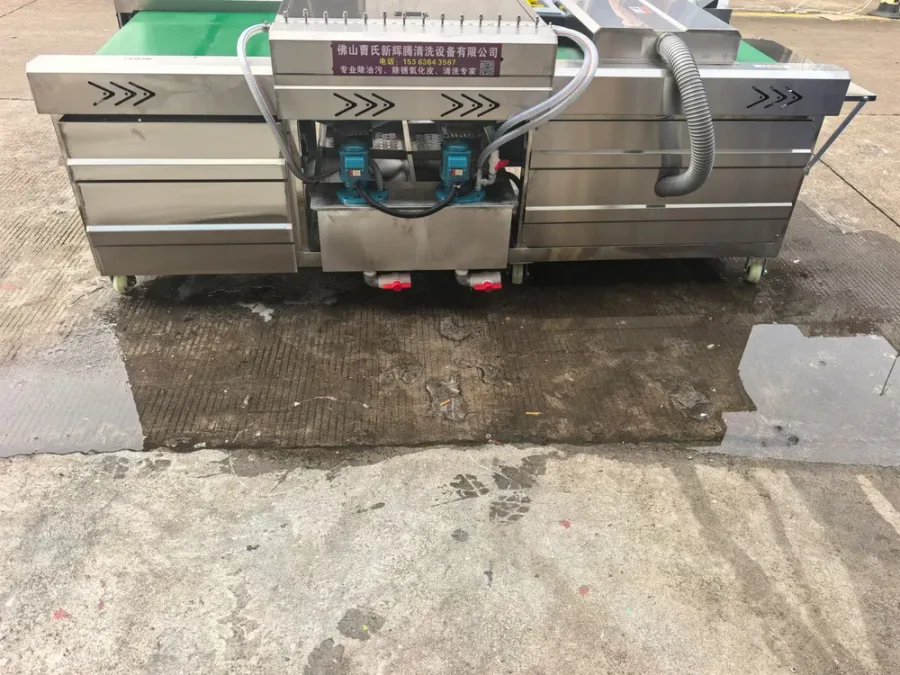
The first washing water becomes oily or dark very quickly.
Confirm whether the part can feed continuously
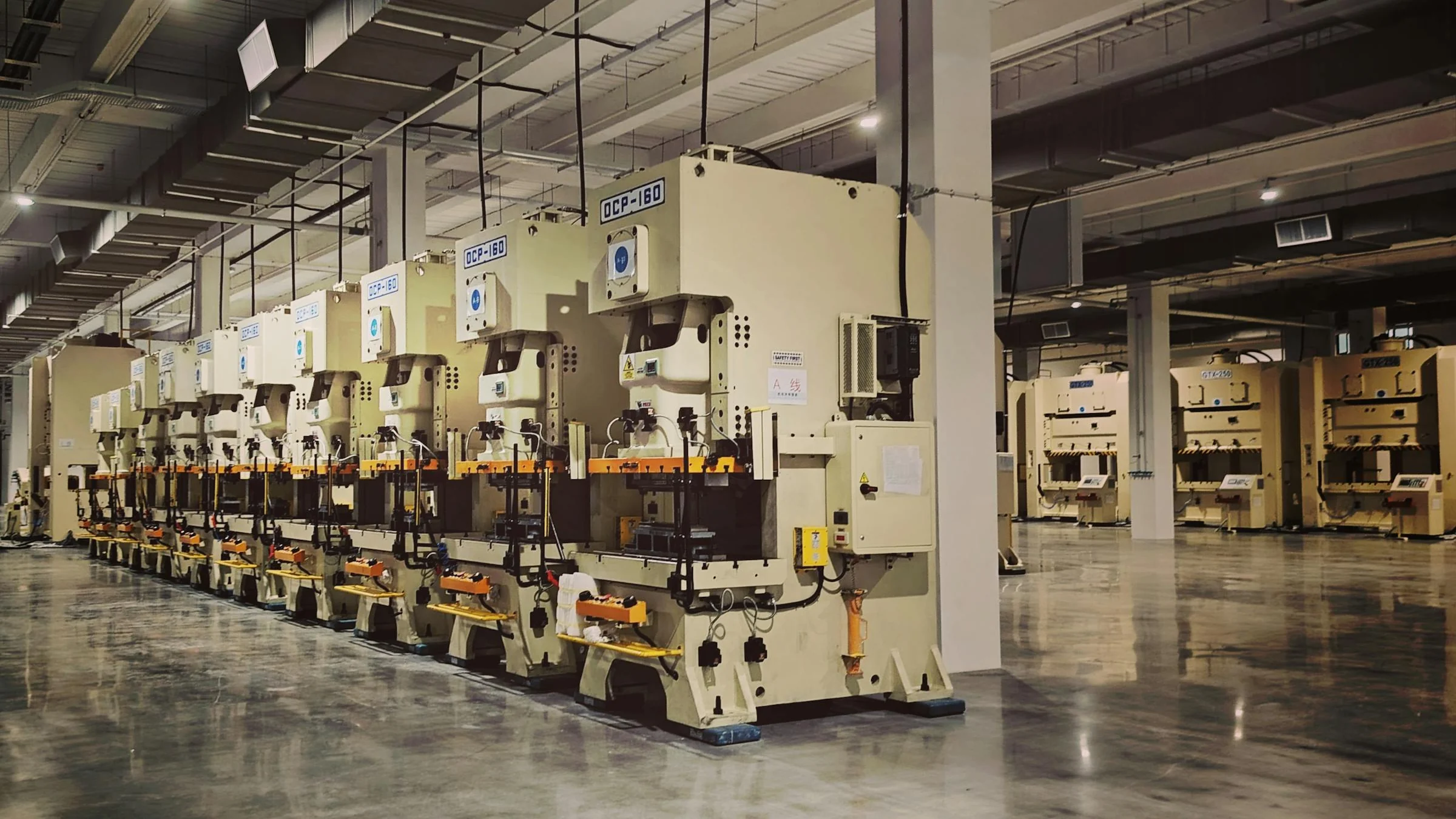
Photos, size range, thickness, stacking behavior, and holes decide whether a conveyor tank route is practical.
The target is the next process, not only a cleaner-looking part
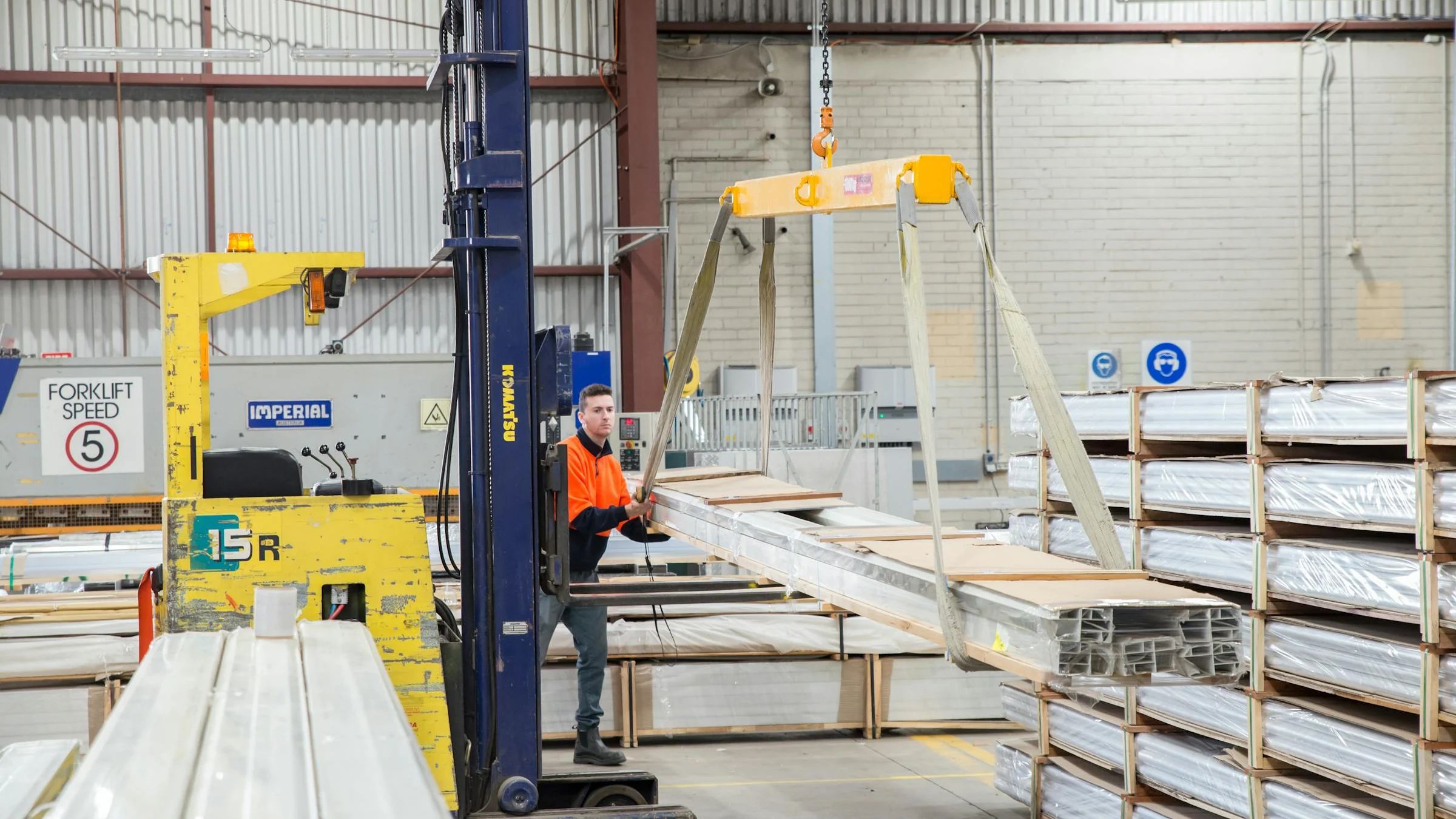
A tank cleaning machine should be sized by output, drying target, drainage, workshop space, and the surface condition required after cleaning.
Routes to compare
Machine pages buyers usually compare here
Use this when rough washing and finer rinsing should be separated before water removal and drying.
Two Tank Also compare Flat Hardware Tool Cleaning MachineCompare this when the residue is lighter and the part is thin, flat, and suitable for one-pass brush washing.
Flat Hardware Also compare Filter Hardware Cleaning MachineReview this when the part shape is less flat and needs more flexible brush contact before drying.
Filter HardwareHow buyers narrow it down
How to qualify the issue before asking for a quote
- 01
Separate rough washing from cleaner rinsing
If the first tank carries most of the oil and chips, a second stage can protect the final surface before water absorption and hot-air drying.
- 02
Confirm whether the part can feed continuously
Photos, size range, thickness, stacking behavior, and holes decide whether a conveyor tank route is practical.
- 03
Plan filtration and water replacement
Heavy oil and chips need a realistic filtration and maintenance plan; otherwise the same tank problem returns after installation.
- 04
Quote around the next process
A tank cleaning machine should be sized by output, drying target, drainage, workshop space, and the surface condition required after cleaning.
For a useful quote
Send these details
- Part photos, material, thickness, size range, and whether parts are flat or irregular
- Oil, chip, wax, black residue, or polishing-compound details
- Current washing method, tank condition, and where cleaning becomes unstable
- Daily output, drying target, voltage, drainage, floor space, and destination country
Check before order
Not the right fit when
- Deep blind holes or cavities that trap liquid and cannot drain reliably
- Solvent-only or chemical-recipe projects that need process testing before machine selection
- Highly cosmetic surfaces where brush contact has not been sample-tested
Buyer questions
Questions buyers usually want answered before they inquire
When should buyers choose a two-tank cleaning machine?
A two-tank route is useful when rough washing becomes dirty quickly and the buyer still needs a cleaner final rinse before drying or packing.
Is a tank cleaning machine suitable for heavy oil metal parts?
Yes, when the part can feed properly and the oil, chip load, filtration, tank separation, and drying target are confirmed before quotation.
What should be sent before asking for a tank cleaning machine price?
Send part photos, size, material, oil and chip details, current washing method, daily output, drying target, voltage, drainage, and destination country.