Industrial Cleaning & Drying Systems


Comparison guide
Acrylic final-approval option vs mobile phone case cosmetic-output option
Choose the acrylic option when a broad surface needs careful protection before inspection or film application. Choose the phone-case option when many small parts must keep a consistent cosmetic finish at line speed.
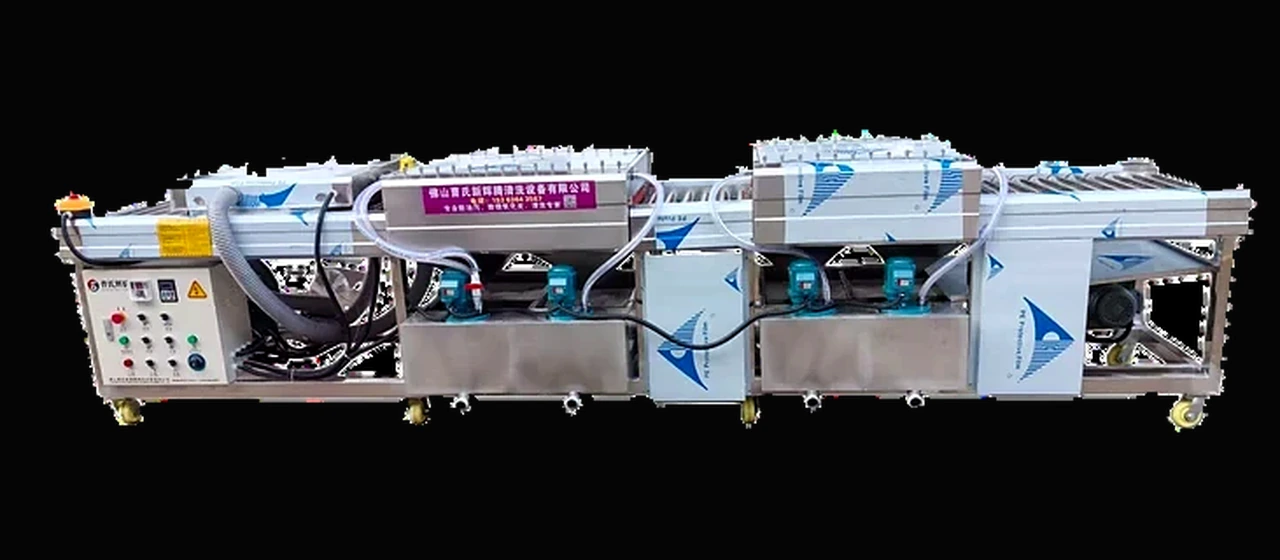
Key differences
How to judge whether approval should follow acrylic-board logic or cosmetic-output logic
Choose by surface size, scratch sensitivity, feeding method, output, and final inspection requirements.
Acrylic-panel option
Acrylic board cleaning for final inspection and protective-film approval
Usually the better option when the approval problem is driven by wide visible faces, wipe-free release, protective-film next production step, and keeping a cosmetic acrylic board stable enough for final inspection.
A good choice when
- Acrylic boards that must leave final inspection, protective film, packing, or approval-ready release without cosmetic-surface loss
- Projects where approval is judged by broad visible-face continuity, haze control, and wipe-free drying across the panel
- customers who already know the hardest part of approval is preserving a large cosmetic face instead of only hitting a nominal output number
Please check first if
- Re-evaluate the acrylic-panel option as a generic answer if the real workpiece is already a smaller high-rhythm cosmetic part with different feeding logic
- Still send the hardest real board because transparency, film status, finish type, and scratch sensitivity can change the quote risk materially
- Avoid assuming all plastic cosmetic failures are panel-led if the real bottleneck may already be output rhythm, spacing, or two-sided part consistency
Cosmetic-part option
Mobile phone case cleaning for inspection-ready cosmetic output
Usually the better option when the approval problem is driven by high-volume cosmetic parts, real feeding rhythm, two-sided washing and drying consistency, and whether inspection-ready output can hold at production speed.
A good choice when
- Mobile phone cases and similar small cosmetic plastic parts that must leave inspection-ready or pack-ready without manual batch rework
- Projects where the quote is really decided by feeding rhythm, spacing plan, cosmetic consistency, and output realism instead of by wide-face surface continuity
- customers who need a option for smaller discrete parts where appearance approval must still hold at actual line speed
Please check first if
- Avoid switching to the cosmetic-part option as a generic upgrade if the real project is still a wide visible surface board release job
- Still send the hardest real part because coating, material, cosmetic face, and residue type change the quote risk materially
- Evaluate beyond headline daily quantity if approval starts to fail before the nominal output does
What to compare
Compare the options by the approval rhythm that actually changes the quote
Better when approval depends on a broad visible board face where wipe-free continuity across the panel defines the release risk.
Better when approval depends on many smaller discrete parts where spacing, orientation, and case-by-case cosmetic consistency define the release risk.
Best when the option is judged more by stable panel next production step and cosmetic continuity than by discrete-part throughput claims.
Best when the recommendation is based on whether cosmetic approval can still hold at real feeding rhythm and production volume.
Stronger when haze, wipe marks, retained moisture, or wide-face visible nonuniformity block approval.
Stronger when cosmetic defects emerge through spacing, feeding instability, double-sided drying inconsistency, or output-speed pressure.
Needs the hardest real acrylic board, approval-face standard, and protective-film or inspection required result after cleaning defined before a quote request.
Needs the hardest real case, feeding method, spacing plan, and inspection-ready output target defined before a confident option recommendation.
Higher risk if your team keeps acrylic-board logic even though the real approval job is already limited by smaller-part rhythm and output instability.
Higher risk if your team moves to small-part logic even though the real blocker is still wide-face board continuity, wipe-free drying, or film next production step quality.
Recommended machine
Open the option that matches the real cosmetic-output logic, not the loosest plastic label
Send sample parts, surface requirements, and output targets so we can recommend the right machine.
Choose the acrylic-board option when you are really solving wipe-free final inspection and protective-film approval on broad visible surface boards.
Open acrylic final-approval option Review cosmetic output Use the mobile phone case option when approval is really driven by high-rhythm small partsChoose the mobile-phone-case option when you are really solving inspection-ready cosmetic consistency on smaller discrete parts instead of wide-board next production step quality.
Open cosmetic-output optionBefore requesting a quote
Send these facts before asking which option fits
- Real workpiece family, including board width or case size range, thickness, finish or transparency type, and which sample is hardest to pass at final approval
- Current approval-stage reject evidence: haze, wipe marks, scratch concern, static dust, retained moisture, uneven drying, or mixed cosmetic defects
- True final production step after cleaning: final inspection, protective film, packing release, cosmetic output approval, or another last-step gate
- Real production rhythm, feeding method, spacing plan, and whether the defect appears only at production speed instead of on one easy sample
- Voltage, floor space, drainage, destination expectations, and whether sample confirmation is needed before final recommendation
Please check first
When you may need a different solution
- Avoid assuming all cosmetic plastic final-approval projects can use the same option just because both are judged by appearance
- Re-evaluate the acrylic-board option if the real approval blocker is already tied to smaller-part feeding rhythm or output instability
- Avoid switching to the cosmetic-part option if the real blocker is still wide-face wipe-free release, film next production step, or board-level continuity
Related guides
Related guides
See related application guides, cleaning issues, and machine testing details.
Use the acrylic approval application page when you already know the issue sits at wide-board final approval and still needs the option review.
Open acrylic approval application Application guide Mobile phone case cleaning before cosmetic final inspection or packingUse the cosmetic-part application page when you already know the issue sits at small-part inspection-ready output and still needs the option review.
Open mobile phone case application Cleaning problem guide Manual wipe rework after panel washingBest fit when your team still needs help separating wide-face wipe-free release from smaller-part cosmetic output logic.
Open wipe-rework problem guide Machine testing See testing and delivery supportUse trust-details when the option looks workable and your production line requires test evidence, pre-shipment review, and supplier support before inquiry.
View testing detailsCommon questions
Questions to settle before you request a machine recommendation
The final setup depends on your part, residue, output target, utilities, and required result.
Can I choose a machine from this comparison alone?
This page compares Acrylic-panel option and Cosmetic-part option. The final choice still depends on your part, residue, output target, utilities, and required finish.
What should I send before asking which option is right?
Prepare the facts that usually change the choice first: Real workpiece family, including board width or case size range, thickness, finish or transparency type, and which sample is hardest to pass at final approval Current approval-stage reject evidence: haze, wipe marks, scratch concern, static dust, retained moisture, uneven drying, or mixed cosmetic defects True final production step after cleaning: final inspection, protective film, packing release, cosmetic output approval, or another last-step gate Real production rhythm, feeding method, spacing plan, and whether the defect appears only at production speed instead of on one easy sample
When should I ask for a technical check first?
Please ask us to check first if any of these apply: Avoid assuming all cosmetic plastic final-approval projects can use the same option just because both are judged by appearance Re-evaluate the acrylic-board option if the real approval blocker is already tied to smaller-part feeding rhythm or output instability Avoid switching to the cosmetic-part option if the real blocker is still wide-face wipe-free release, film next production step, or board-level continuity