Industrial Cleaning & Drying Systems


Comparison guides
Industrial Cleaning Machine Comparison Guides
Compare two machine options by your parts, cleaning problem, output, and required drying result.
Best starting point when
You are choosing between two machine options
Compare the options by your part, cleaning problem, and required result.
Compare the practical differences
Part shape and cleaning result matter most
Look at residue, drainage, surface protection, drying, and production output—not only machine names or tank count.
Next step
Send us the part details when you are ready
We can confirm which option best suits your production line and quote requirements.
Process stability
Compare cleaning strength and batch reliability
Use these comparisons when rinsing becomes unstable, residue builds up, or you need to know whether a second tank will improve production results.
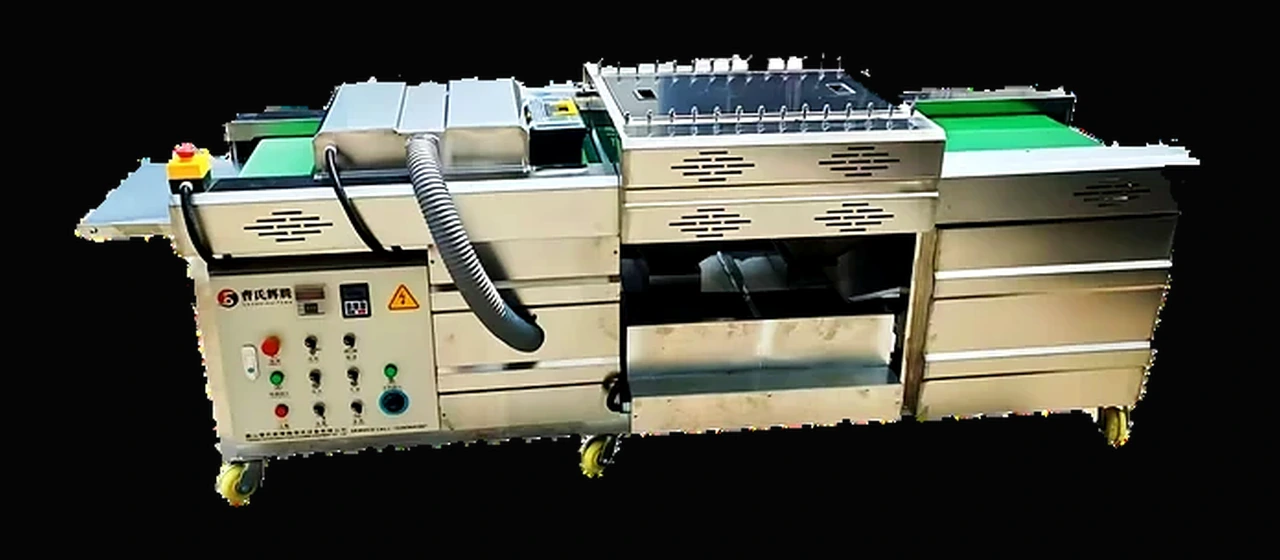
Comparison guide
One-tank vs two-tank cleaning machine for metal parts
Best starting point when heavy contamination, rinse quality, or batch stability determines whether a second tank is needed.
Compare One-tank vs two-tank cleaning machine for metal parts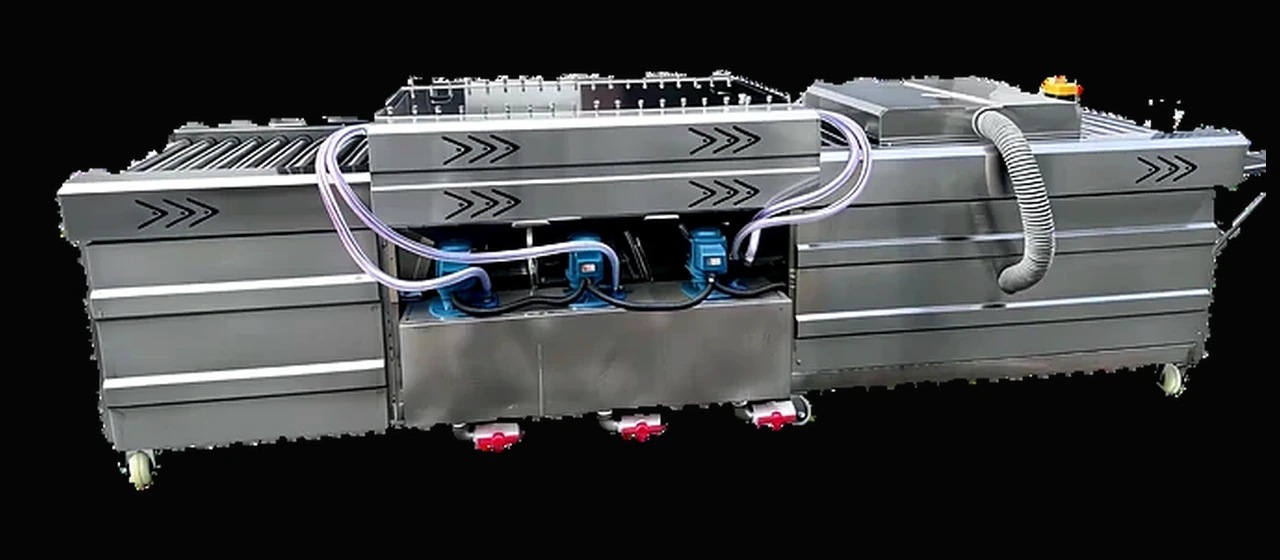
Comparison guide
One-tank vs two-tank cleaning machine for flat sheet production
Best starting point when residue carryover, rinse quality, water marks, or finish requirements determine whether a second tank is needed.
Compare One-tank vs two-tank cleaning machine for flat sheet production Comparison guide
Two-water-tank cleaning machine vs flat hardware tool cleaning machine
Best starting point when oil load, chip return, or later-batch instability determines whether two tanks are needed.
Compare Two-water-tank cleaning machine vs flat hardware tool cleaning machineGeometry and fit
Compare machines for difficult part shapes
Use these comparisons when holes, mesh, irregular shapes, retained water, or part support affect cleaning and drying.
Comparison guide
Aluminum plate cleaning machine vs flat hardware tool cleaning machine
Best starting point when you need to choose between continuous sheet cleaning and cleaning for individual flat hardware parts.
Compare Aluminum plate cleaning machine vs flat hardware tool cleaning machine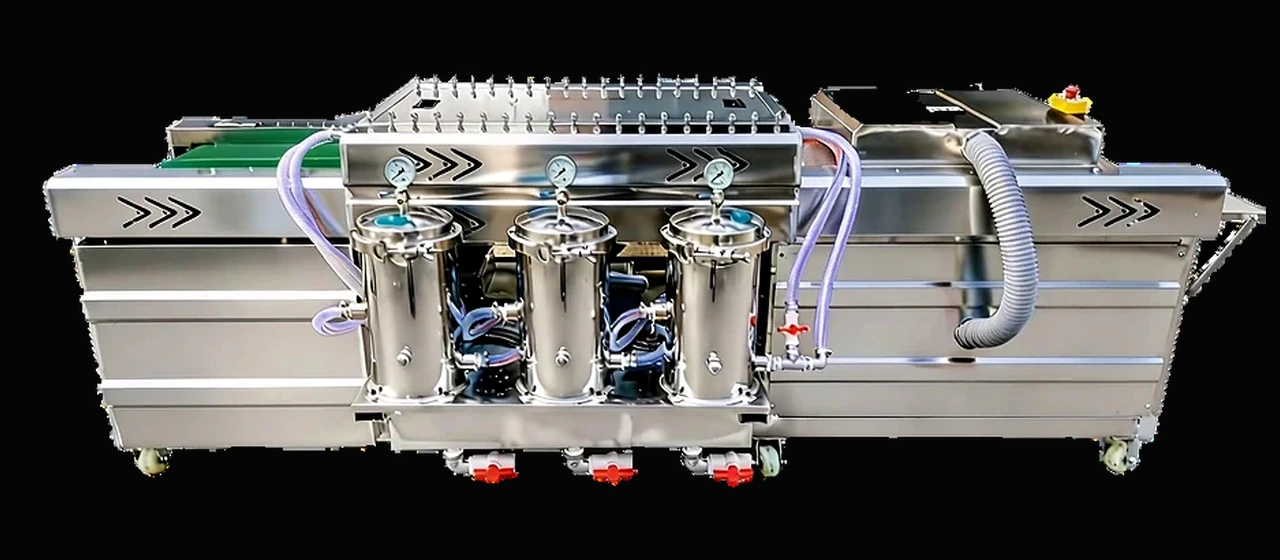
Comparison guide
Flat hardware tool cleaning machine vs filter hardware cleaning machine
Best starting point when holes, mesh, recesses, retained water, or surface sensitivity affect the machine choice.
Compare Flat hardware tool cleaning machine vs filter hardware cleaning machine Comparison guide
Precision hardware cleaning line vs general flat-part cleaning line
Best starting point when a broadly flat part family includes harder shapes that may need more careful cleaning and drying.
Compare Precision hardware cleaning line vs general flat-part cleaning linevisible surface quality
Compare surface protection and drying quality
Use these comparisons when scratches, water marks, drying quality, packing, or lamination set a higher surface requirement.
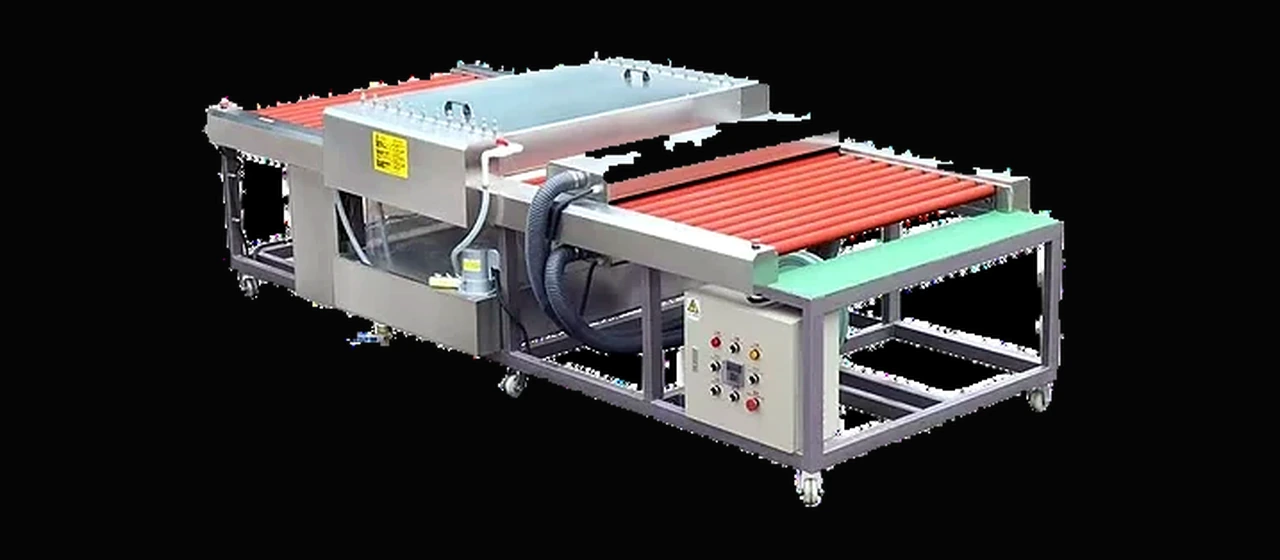
Comparison guide
Glass cleaning machine vs standard aluminum plate cleaning machine for water-mark-sensitive panels
This fits when comparison when two flat materials need different levels of surface protection and drying control.
Compare Glass cleaning machine vs standard aluminum plate cleaning machine for water-mark-sensitive panels Comparison guide
Window-factory glass cleaning next production step vs general panel packing option
This fits when comparison when packing is mentioned, but the required surface result differs from normal panel handling.
Compare Window-factory glass cleaning next production step vs general panel packing option Comparison guide
Shipment-approval glass cleaning option vs ordinary packing-clean option
Best starting point when final shipment inspection makes glass cleaning more demanding than ordinary packing.
Compare Shipment-approval glass cleaning option vs ordinary packing-clean option Comparison guide
Glass final-approval cleaning option vs acrylic final-approval cleaning option
Best starting point when the final appearance matters and material-specific surface risks determine the choice.
Compare Glass final-approval cleaning option vs acrylic final-approval cleaning option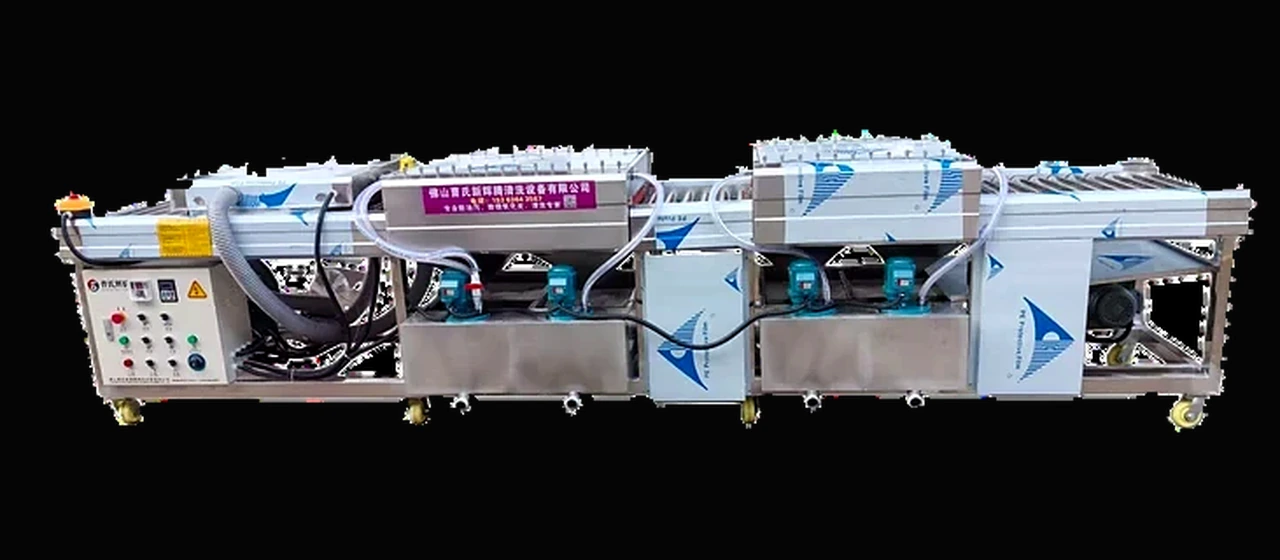
Comparison guide
Wide visible surface panel final-approval option vs small cosmetic-part final-approval option
Best starting point when final appearance is important but the part size and handling method are very different.
Compare Wide visible surface panel final-approval option vs small cosmetic-part final-approval option Comparison guide
Acrylic final-approval option vs mobile phone case cosmetic-output option
Best starting point when both projects need a cosmetic finish but require different handling and production speeds.
Compare Acrylic final-approval option vs mobile phone case cosmetic-output option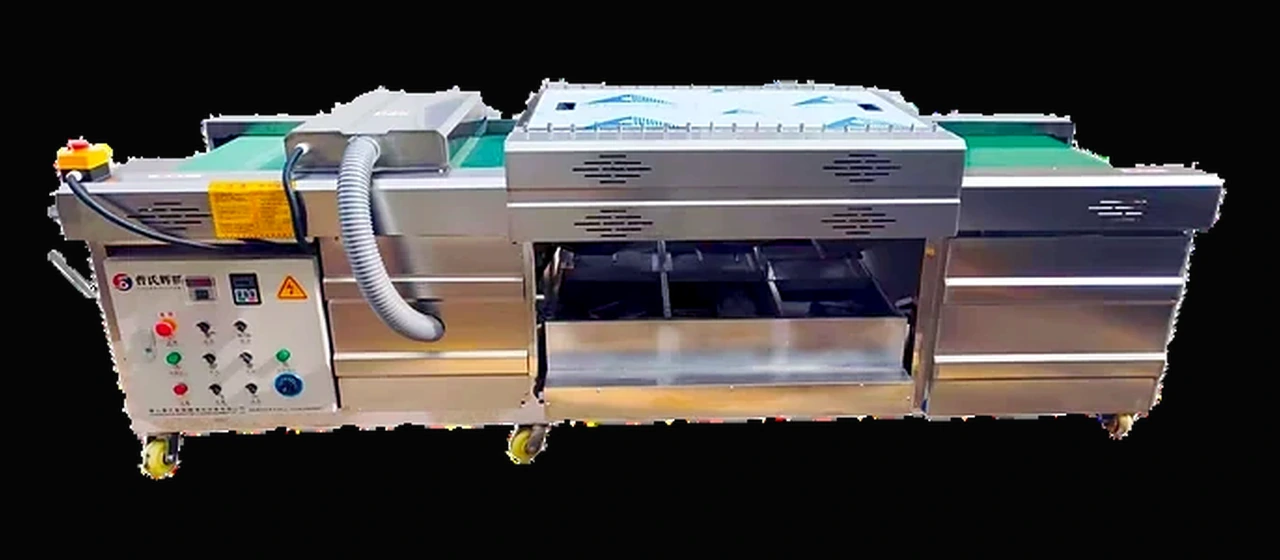
Comparison guide
Glossy cosmetic part final-appearance option vs textured cosmetic-part output option
Best starting point when the visible finish changes the cleaning and drying requirement.
Compare Glossy cosmetic part final-appearance option vs textured cosmetic-part output option Comparison guide
Side-light approval option vs head-on clean-appearance option
Best starting point when the inspection light changes what counts as an acceptable clean surface.
Compare Side-light approval option vs head-on clean-appearance option Comparison guide
inspection light cosmetic release option vs packing-light cosmetic output option
Best starting point when a formal release inspection needs more control than ordinary packing output.
Compare inspection light cosmetic release option vs packing-light cosmetic output option Comparison guide
Glass cleaning machine vs acrylic board cleaning machine
Best starting point when two similar-looking panels need different surface protection.
Compare Glass cleaning machine vs acrylic board cleaning machine Comparison guide
Gentle visible surface cleaning line vs standard flat panel washing option
Best starting point when a flat panel needs more care than a standard washing line provides.
Compare Gentle visible surface cleaning line vs standard flat panel washing optionRelated guides
Browse related information
See machine types, applications, and cleaning problems for more details.
Before you request a quote
Information that helps us compare the options
Send the part, cleaning problem, target output, and the result you need after cleaning.
What makes a comparison useful
Tell us what you need to compare
For example: one-stage or two-tank washing, flat parts or irregular parts, standard or surface-sensitive cleaning.
What often decides faster
Show the hardest part and the result you need
Photos of the actual problem and the required finish help us give a useful answer.
What a good comparison should do
Use the comparison as a practical starting point
Then send your part details to confirm the machine, size, and quote requirements.
Common questions
Questions about comparing machine options
Use these answers as a starting point, then contact us with your project details.
When should I use a comparison page instead of an application or problem page? Where to start
Use a comparison page when you are choosing between two machine options. If you only know the part or cleaning problem, start with the application or cleaning-problem guide.
What facts make a comparison meaningful before I ask for pricing? Selection logic
Share the hardest part or panel, the residue or defect, output, and the required condition after drying. We can then compare the options against your real production needs.
What should happen after I finish reading a comparison page? Next step
Compare the options, then send your part details so we can recommend a suitable machine size and setup.