Industrial Cleaning & Drying Systems


Cleaning problem guide
Manual wipe rework after panel washing
This guide helps to identify the cause of manual wipe rework after panel washing and choose a suitable cleaning machine. Send photos of the part, contamination, and required finish for a practical recommendation.
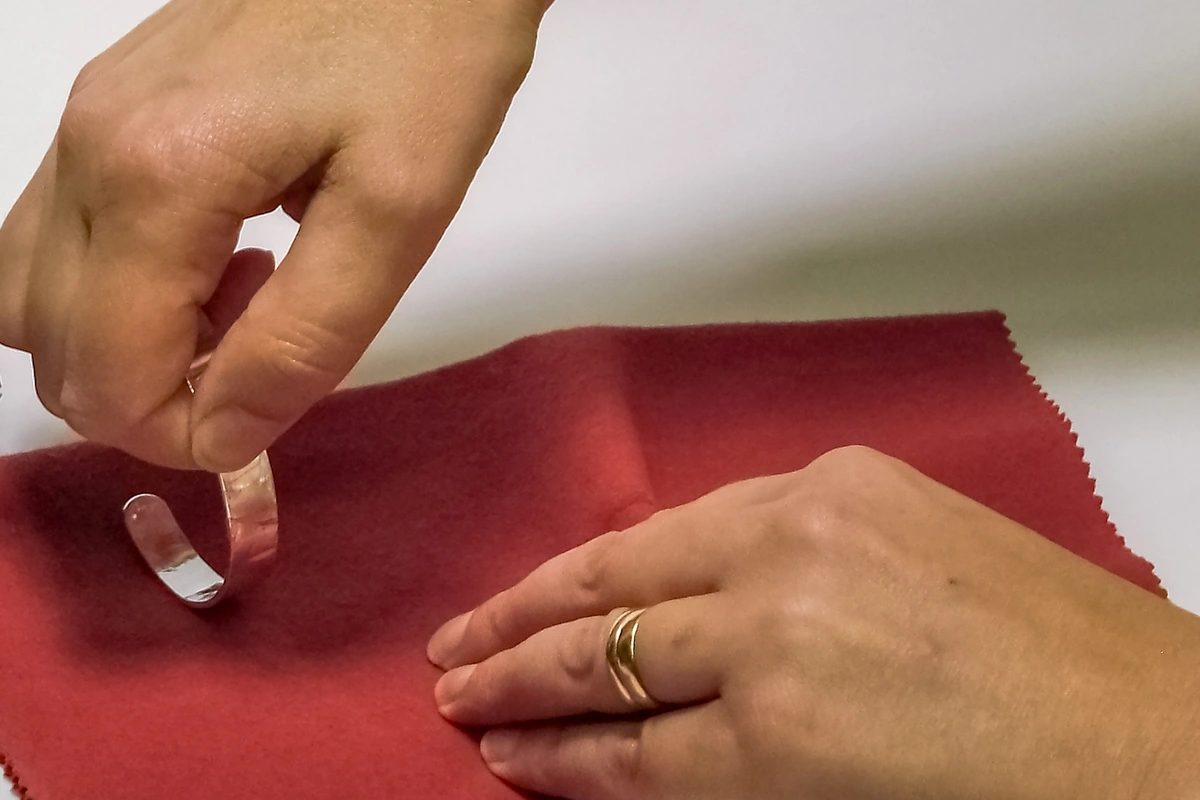
Common signs
What this cleaning problem can involve
- Panels still need manual wiping after washing or drying before they can pass inspection, film application, or packing.
- Wipe rework creates scratch risk, haze, unstable approval quality, or extra handling delay.
- The largest or most cosmetic panel can behave differently from the easiest sample during drying and the next production step.
- The project needs a machine setup that delivers a more repeatable wipe-free result before quote.
Please confirm
Details that help us recommend a machine
Confirm wiping happens because of moisture, haze, dust, fine residue, or approval habits, because not every wipe complaint points to the same machine setup change.
Tell us whether panels must be ready for inspection, film application, packing, or further processing. The no-wipe requirement changes with the next step.
Use the largest and most cosmetic real panel when judging line speed and machine setup fit, because the easiest sample usually understates the wipe-rework risk.
Check water quality, filtration, line speed, and drying path together, because wipe rework usually comes from a combination of process and surface-tolerance issues.
Recommended machines
Machines to consider for this problem
Choose based on the residue, part shape, drying result, and whether a separate rinse is needed.
This fits when visible surface acrylic or similar cosmetic plastic panels need controlled washing and drying without turning wipe rework into the real bottleneck.
View Acrylic Board machine Glass-panel fit Glass Cleaning MachineCompare this when the project is closer to flat glass, window glass, or another visible surface panel machine setup where wipe-free drying matters.
View Glass machine Smaller cosmetic-part fit Mobile Phone Case Cleaning MachineReview this when the job is closer to smaller cosmetic parts than wide flat panels.
View Phone Cases machineBefore you request a quote
What to confirm with us
- 01
Show the real rework complaint
Send photos or short video of the panel condition right before wiping and right after wiping so the machine setup is judged by the real approval gap instead of by a generic drying complaint.
- 02
Define the most sensitive panel
Confirm width, thickness, finish or transparency type, protective film status, and which real panel most often needs wipe rework before inspection or packing.
- 03
Separate moisture from residue and handling
Clarify the wipe is removing moisture, haze, dust, fine residue, or handling marks, because visible surface jobs are often misquoted when several small defects are merged into one complaint.
- 04
Prepare quote and sample facts
Before quote, confirm target line speed, water-quality notes, voltage, loading direction, and whether your team can provide sample panels for wipe-free cleanliness testing.
For a quote request
Share these details for a more accurate recommendation
- Largest visible surface panel width, thickness, finish or transparency type, and which panel most often needs manual wiping after washing
- Photos of wipe marks, haze, moisture, fine residue, or other reject evidence before and after the current wipe rework step
- The next production step, target line speed, and whether panels must be ready for inspection, film application, packing, or further processing
- Water quality, voltage, loading direction, delivery country, and whether sample confirmation is needed before quote
Please check with us first if
This machine may not be suitable when
- Projects where the exact residue being wiped off has not been identified before machine specification
- Heavily formed or curved panels that do not match the current flat-panel machine setups
- Highly cosmetic panels where no reject panel or approval sample can be provided for visible surface confirmation
Common questions
Questions to settle before you request a machine recommendation
The final setup depends on your part, residue, output target, utilities, and required result.
Is manual wiping mainly a labor-cost problem?
Labor cost matters, but the larger risk is that wiping can add scratches, haze, handling marks, and unstable approval results. The line should be reviewed by the defect wiping is trying to remove.
Can a machine fully remove manual wiping?
That should not be promised without the real panel, defect evidence, water quality, drying target, and requirement after cleaning. The goal is to reduce extra wiping with a machine that matches the actual failure.
What evidence helps choose the machine setup?
Send photos before and after wiping, the largest and most cosmetic panel size, line speed, water-quality notes, and whether the panel goes to inspection, film, packing, or another next step.