 Industrial Cleaning & Drying Systems


Comparison guide
Glass final-approval cleaning option vs acrylic final-approval cleaning option
Glass and acrylic can both need a clean cosmetic surface, but they react differently to water marks, static dust, contact, and drying. Choose the machine around the material and acceptance standard.
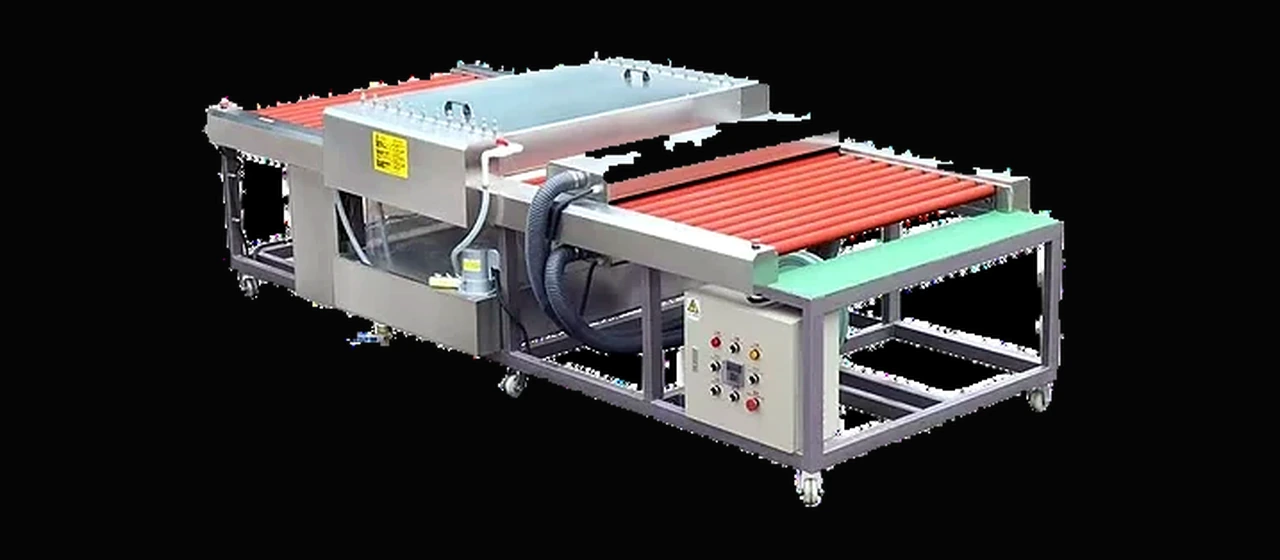
Key differences
How to judge whether final approval should follow glass logic or acrylic logic
Choose by material sensitivity, surface defects, contact tolerance, and the final inspection standard.
Glass final-approval option
visible surface glass cleaning for last-step approval and release
Usually the better option when the approval problem is driven by visible water marks, haze, wipe rework, and repeatable drying quality on real glass panels before shipment, inspection, or final release.
A good choice when
- Glass panels that must leave approval-ready, inspection-ready, export-ready, or release-ready without visible drying defects
- Projects where the approval face behaves like glass and you already know water quality and visible drying control are central
- Factories where the last-step blocker is glass-surface acceptance rather than broader panel cleanliness or plastic-surface protection
Please check first if
- Re-evaluate the glass option as a generic final-approval answer if the real project is acrylic or another cosmetic plastic panel with different surface-failure logic
- Still send the hardest real panel because coating status, edge condition, and line-speed repeatability can change the quote risk materially
- Verify whether each final-approval defect is water-mark-led if you may actually be addressing static dust, scratch risk, or film-transfer issues
Acrylic final-approval option
Acrylic board cleaning for cosmetic approval and protective-surface release
Usually the better option when the approval problem is driven by scratch sensitivity, haze risk, static dust pickup, protective-film expectations, and wipe-free cosmetic release on acrylic boards.
A good choice when
- Acrylic boards that must leave final inspection, protective film, packing, or approval-ready release without cosmetic-surface loss
- Projects where the approval face behaves more like a cosmetic plastic surface than like a water-mark-led glass panel
- customers who already know the last-step risk comes from scratch tolerance, static behavior, or haze-sensitive final appearance
Please check first if
- Avoid switching to the acrylic option as a generic upgrade if the real project is still standard visible surface glass with glass-style drying and release logic
- Still send the hardest cosmetic board because film status, transparency, and surface sensitivity change the quote risk materially
- Distinguish every approval failure as dust-only if the real blocker may still be drying marks, retained moisture, or ordinary handling residue
What to compare
Compare the options by the approval behavior that actually changes the quote
Better when the panel is approved more like glass, where water-mark control, haze restraint, and stable drying define the release risk.
Better when the board is approved more like acrylic, where scratch tolerance, static dust, and cosmetic-surface protection define the release risk.
Stronger when you are mainly addressing water marks, wipe marks, haze, or other glass-surface drying defects before release.
Stronger when you are mainly addressing scratch sensitivity, static pickup, haze-on-plastic appearance, or protective-film related cosmetic defects.
Best when the final gate is inspection, shipment release, or visible approval on real glass panels with repeatable drying control.
Best when the final gate is cosmetic inspection, protective-film readiness, or wipe-free board approval on acrylic surfaces.
Needs the real approval glass face, defect evidence, and line-speed drying result defined before a confident option recommendation.
Needs the real cosmetic acrylic face, film status, and scratch-sensitive approval standard defined before the option can be quoted confidently.
Higher risk if your team keeps glass logic even though the real final-approval blocker is acrylic-style surface sensitivity.
Higher risk if your team moves to acrylic logic even though the real blocker is still glass-style drying and water-mark control.
Recommended machine
Open the option that matches the real final-approval material logic
Send the material, surface finish, defect photos, and final inspection requirement for a suitable recommendation.
Choose the glass option when you are really solving water marks, haze, and last-step visible drying approval on glass panels before release.
Open glass final-approval option Review acrylic Use the acrylic option when final approval is really cosmetic-board releaseChoose the acrylic option when you are really solving scratch-sensitive, wipe-free, cosmetic final approval on acrylic boards rather than glass-style drying control.
Open acrylic final-approval optionBefore requesting a quote
Send these facts before asking which option fits
- Real panel or board material, width, thickness, finish or transparency status, and which sample is hardest to pass at final approval
- Current approval-stage reject evidence: water marks, haze, wipe marks, scratch concern, static dust, retained moisture, or mixed visible defects
- True final production step after cleaning: shipment approval, inspection, protective film, packing release, export release, or another last-step gate
- Water quality, line speed, approval-face standard, and whether the defect appears only at production rhythm instead of on one easy sample
- Voltage, floor space, drainage, destination expectations, and whether sample confirmation is needed before final recommendation
Please check first
When you may need a different solution
- Avoid assuming all final-approval projects can use the same release logic just because both materials are flat and visibly sensitive
- Re-evaluate the glass option if the real approval blocker is acrylic-style scratch, static, or protective-surface sensitivity
- Avoid switching to the acrylic option if the real blocker is still glass-style drying, water marks, or visible wipe rework before release
Related guides
Related guides
See related application guides, cleaning issues, and machine testing details.
Use the glass approval application page when you already know the issue sits at final glass verification and still needs the option review.
Open glass approval application Application guide Acrylic board cleaning before final inspection or protective filmUse the acrylic approval application page when you already know the issue sits at final cosmetic-board approval and still needs the option review.
Open acrylic approval application Cleaning problem guide Water mark removal from glass panelsUse the problem page when water marks, drying residue, or glass-style visible defects are still the main complaint before the option is fully clear.
Open water-mark problem guide Machine testing See testing and delivery supportUse trust-details when the option looks workable and your production line requires test evidence, pre-shipment review, and supplier support before inquiry.
View testing detailsCommon questions
Questions to settle before you request a machine recommendation
The final setup depends on your part, residue, output target, utilities, and required result.
Can I choose a machine from this comparison alone?
This page compares Glass final-approval option and Acrylic final-approval option. The final choice still depends on your part, residue, output target, utilities, and required finish.
What should I send before asking which option is right?
Prepare the facts that usually change the choice first: Real panel or board material, width, thickness, finish or transparency status, and which sample is hardest to pass at final approval Current approval-stage reject evidence: water marks, haze, wipe marks, scratch concern, static dust, retained moisture, or mixed visible defects True final production step after cleaning: shipment approval, inspection, protective film, packing release, export release, or another last-step gate Water quality, line speed, approval-face standard, and whether the defect appears only at production rhythm instead of on one easy sample
When should I ask for a technical check first?
Please ask us to check first if any of these apply: Avoid assuming all final-approval projects can use the same release logic just because both materials are flat and visibly sensitive Re-evaluate the glass option if the real approval blocker is acrylic-style scratch, static, or protective-surface sensitivity Avoid switching to the acrylic option if the real blocker is still glass-style drying, water marks, or visible wipe rework before release
