 Industrial Cleaning & Drying Systems


Comparison guide
Precision hardware cleaning line vs general flat-part cleaning line
Choose precision-hardware cleaning when holes, recesses, overlap zones, or retained water make the part hard to clean and dry. Choose a general flat-part line for open, stable parts with straightforward handling.
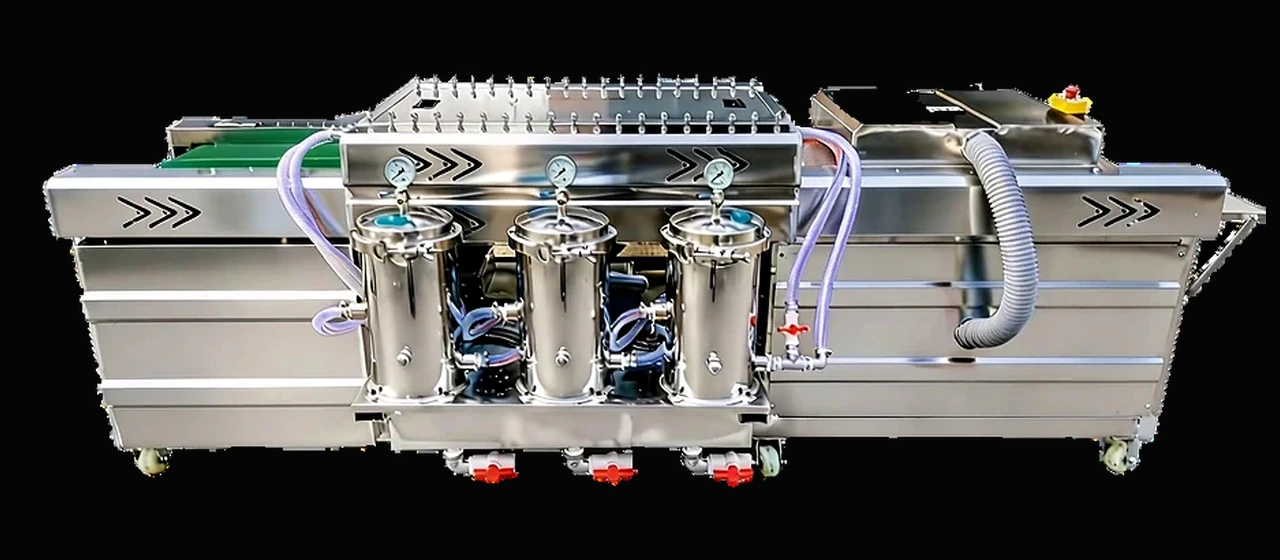
Key differences
How to judge whether the project has already become a precision-hardware job
Choose by part geometry, water retention, contact tolerance, and the required dry condition.
Precision-hardware option
Geometry-sensitive cleaning and drying for precision hardware
Usually the better option when retained water, contact tolerance, hard-to-reach residue, or the hardest part geometry make the project riskier than a general flat-part line can safely assume.
A good choice when
- Perforated, meshed, recessed, or overlap-prone metal parts where cleaning and drying change with real geometry
- Projects where holes, awkward edges, water traps, or part support risk matter as much as residue removal
- customers who must confirm pack-ready or next-process dryness on the hardest precision-hardware part, not only on the easiest sample
Please check first if
- Avoid switching to the precision-hardware option as a generic upgrade if the family is still genuinely flat, stable, and easy to dry
- Still send the hardest real part because width and thickness alone do not show the real quote risk
- Ensure thorough review of contact-tolerance, deformation-risk, or retained-water review just because residue type looks ordinary
General flat-part option
Broader flat-part cleaning for stable and open hardware families
Usually the better option when the part family is still flat, open, steady to feed, and commercially better judged as a simpler flat-part washing and drying job.
A good choice when
- Flat, stamped, or open hardware parts that do not create major hidden residue or retained-water risk
- Projects where one-pass flat-part washing and drying can still hold the required output and final production step target
- customers who need a practical option for general flat hardware before packing, storage, or the next process
Please check first if
- Re-evaluate the general option if the reject pattern comes from water traps, hidden residue, or drying instability on harder geometry
- Use caution when the easiest flat sample looks acceptable but the real family contains more difficult precision-hardware parts
- Avoid quoting this option too early if the final dryness target and hardest part in the family are still vague
What to compare
Compare the options by the geometry and drying risk that actually changes the quote
Better when holes, mesh, recesses, overlap zones, or awkward support conditions make the hardest part behave differently from a simple flat sample.
Better when the family stays open and stable enough that geometry does not materially change cleaning reach or drying logic.
Stronger when trapped moisture, hidden drainage paths, or drying inconsistency are part of the reject risk before packing or the next process.
Usually enough when water leaves the part cleanly and the option does not need geometry-sensitive drying review.
Safer when support, contact strategy, or light deformation tolerance need earlier review because the part family is less forgiving.
Safer when the family can accept a simpler flat-part handling rhythm without contact risk becoming the main issue.
Reliable when the hardest precision-hardware part is reviewed before a quote request so the option is not judged from the easiest sample.
Reliable when the family is commercially broad but still consistent enough that a general flat-part option matches the real production job.
Best when your team must confirm pack-ready or next-process dryness on geometry-sensitive hardware with tighter reject standards.
Best when your team mainly needs a stable flat-part cleaning option into storage, packing, or another process without precision-hardware escalation.
Recommended machine
Open the option that best matches the hardest real part in the family
Send the hardest part in the family, its geometry, and the required final condition for a suitable recommendation.
Choose the precision-hardware option when holes, recesses, retained water, or contact tolerance make the project behave more like a geometry-sensitive job than a general flat-part line.
Open precision-hardware option Stay broader Use the general flat-part option when the family is still stable and openChoose the general flat-part option when the real family can still be cleaned and dried as a simpler hardware job without precision-hardware handling becoming the main risk.
Open general flat-part optionBefore requesting a quote
Send these facts before asking which option fits
- Photos of the hardest real part from multiple angles, including holes, mesh, recesses, overlap zones, or awkward edges
- Part width, thickness range, support behavior, and which part is hardest to clean or dry consistently across the family
- Current reject complaint: hidden residue, trapped moisture, pack-ready drying failure, contact marks, or mixed geometry-driven issues
- Drying target after washing, including whether parts must leave process-ready, pack-ready, inspection-ready, or next-process ready
- Output target, voltage, plant constraints, and whether the failure appears only after several batches instead of on the easiest sample
Please check first
When you may need a different solution
- Verify whether each hardware project needs a precision-hardware option if the real family is still flat, open, and commercially simple
- Re-evaluate the general flat-part option if hidden geometry, retained moisture, or harder family variation are already causing rejects
- Avoid committing to family-wide fit when the hardest real part and the true final drying target still have not been reviewed
Related guides
Related guides
See related application guides, cleaning issues, and machine testing details.
Use the application page when you already know the project is about precision hardware or irregular parts and still needs the machine setup review.
Open precision hardware application Cleaning problem guide Trapped water in perforated hardware after washingBest fit when retained moisture, hidden drainage, or post-wash drying failure are still the main complaint before the option is fully clear.
Open trapped-water problem guide Cleaning problem guide Cleaning before packing flat partsBest fit when the remaining question is whether the option can still stay broader because the real complaint is final dry next production step instead of geometry escalation.
Open before-packing problem guide Machine testing See testing and delivery supportUse trust-details when the option looks workable and your production line requires test evidence, pre-shipment review, and supplier support before inquiry.
View testing detailsCommon questions
Questions to settle before you request a machine recommendation
The final setup depends on your part, residue, output target, utilities, and required result.
Can I choose a machine from this comparison alone?
This page compares Precision-hardware option and General flat-part option. The final choice still depends on your part, residue, output target, utilities, and required finish.
What should I send before asking which option is right?
Prepare the facts that usually change the choice first: Photos of the hardest real part from multiple angles, including holes, mesh, recesses, overlap zones, or awkward edges Part width, thickness range, support behavior, and which part is hardest to clean or dry consistently across the family Current reject complaint: hidden residue, trapped moisture, pack-ready drying failure, contact marks, or mixed geometry-driven issues Drying target after washing, including whether parts must leave process-ready, pack-ready, inspection-ready, or next-process ready
When should I ask for a technical check first?
Please ask us to check first if any of these apply: Verify whether each hardware project needs a precision-hardware option if the real family is still flat, open, and commercially simple Re-evaluate the general flat-part option if hidden geometry, retained moisture, or harder family variation are already causing rejects Avoid committing to family-wide fit when the hardest real part and the true final drying target still have not been reviewed
