


Common buying question
Cleaning flat parts before packing
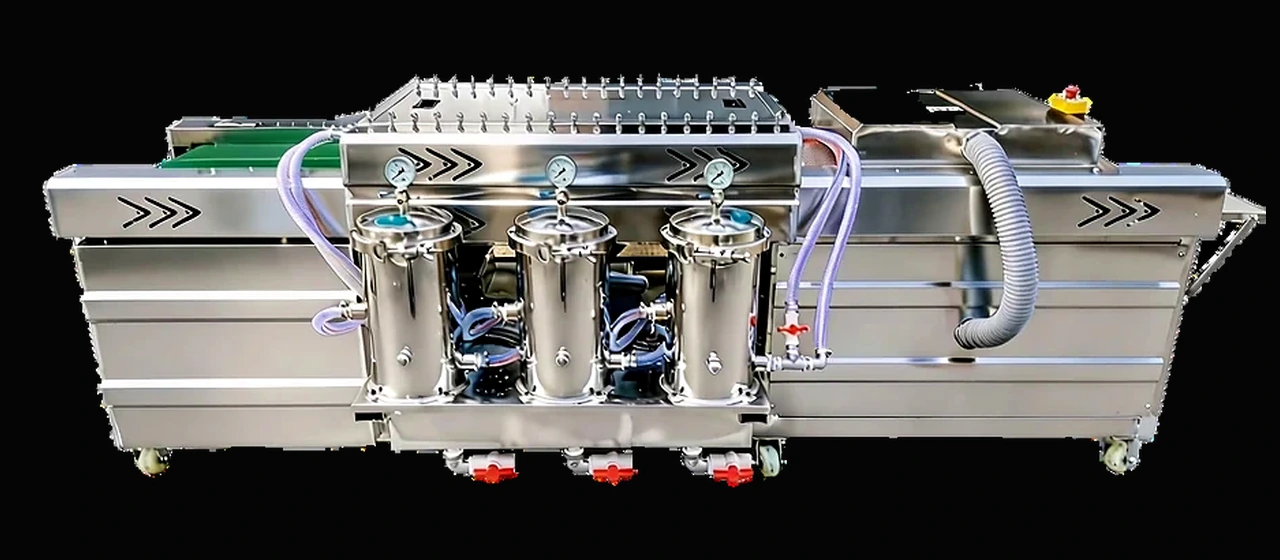
Before-packing cleaning is about consistency. The machine should remove the visible residue, dry the part enough for packing, and fit the real part range instead of only the easiest sample.
When buyers open this page
Usually a fit when these things are true
- Manual wiping slows packing or gives inconsistent results.
- Dust, oil, water marks, or stains remain before cartons or export packaging.
- Parts are flat enough to feed through a conveyor line.
- Drying quality matters because moisture can affect storage or shipment.
Check these points first
Do not choose the route from one symptom alone
Define whether parts must be completely dry, visually clean, or simply ready for the next handling step.
Use maximum width, thickness, and difficult parts, not only the average sample.
Separate oil, wax, dust, water marks, and polishing compound before choosing the cleaning route.
Match line speed to daily packing target and operator handoff.
Quick visual check
What this issue usually looks like on the line before asking price
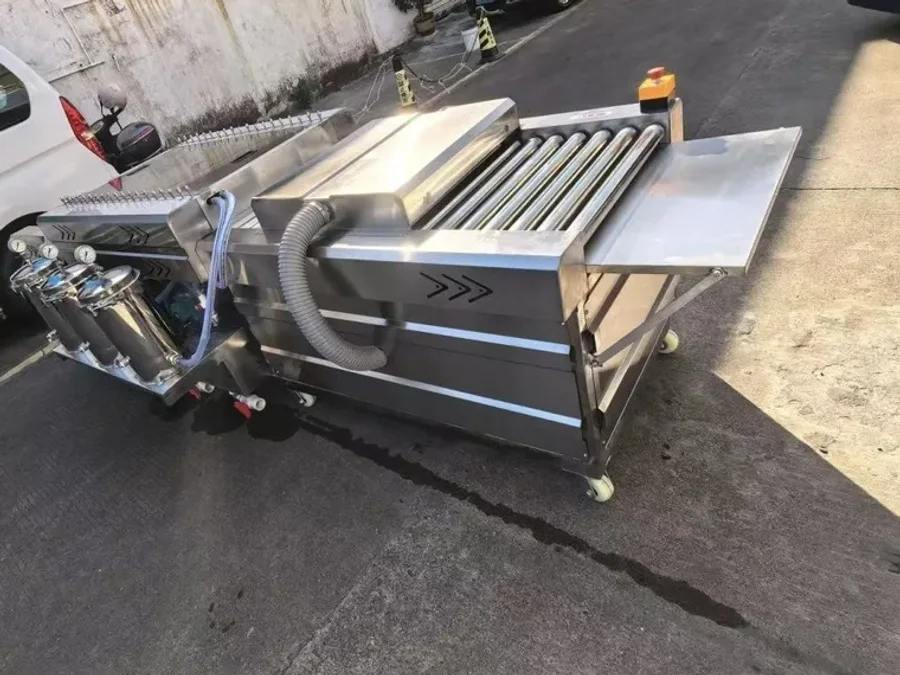
Start from the residue that keeps blocking stable output
Manual wiping slows packing or gives inconsistent results.
Group the part families
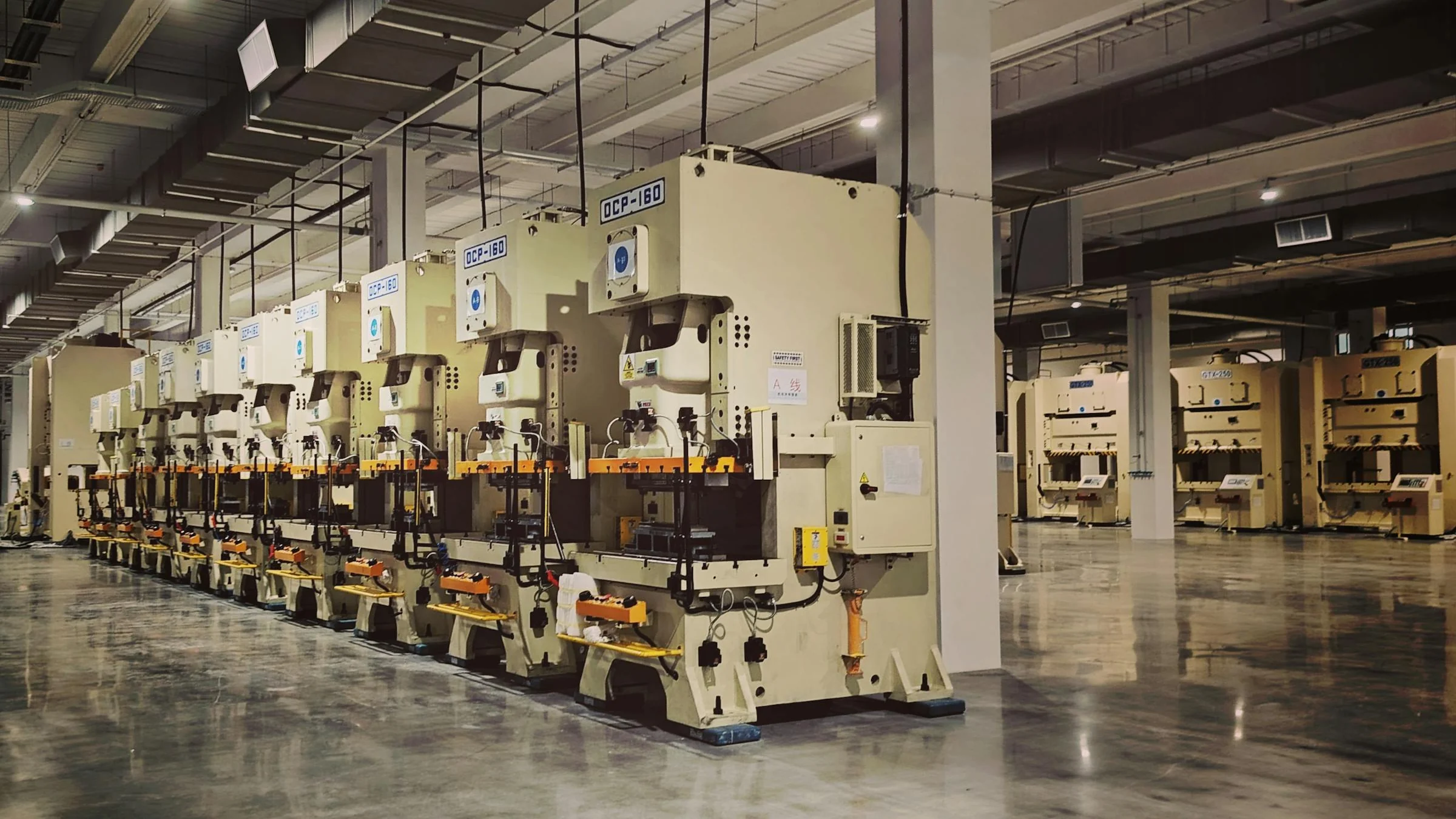
Sort parts by material, maximum size, thickness, and surface sensitivity before matching machine width.
The target is the next process, not only a cleaner-looking part
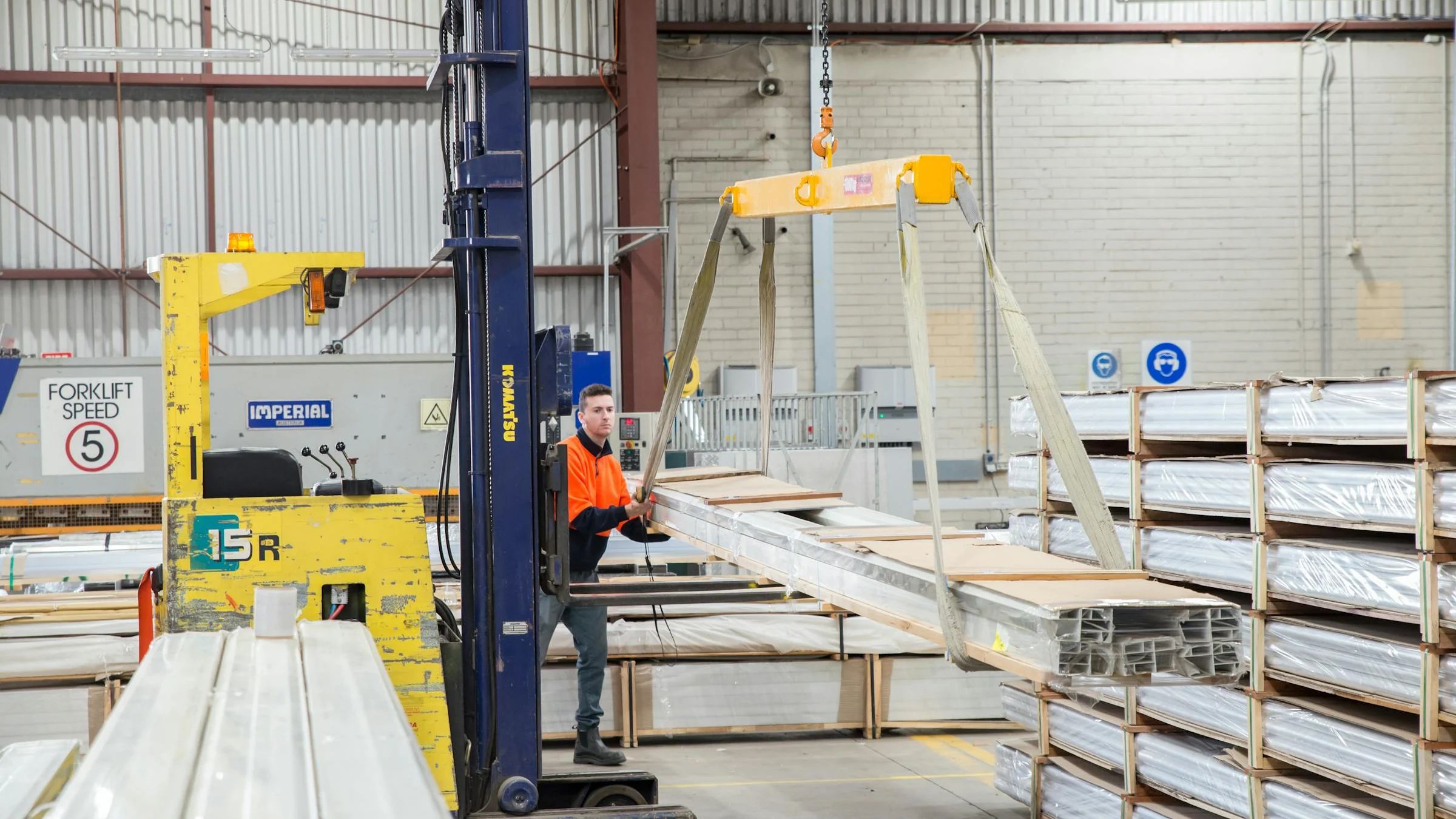
Check loading, unloading, packing table position, drainage, voltage, and forklift access before quotation.
Routes to compare
Machine pages buyers usually compare here
Use this for thin flat tools and hardware parts that need oil or wax removal before packing.
Flat Hardware For flatter parts Aluminum Plate Cleaning MachineCompare this for aluminum or stainless steel sheets that need stable washing and drying before packing.
Aluminum Plate For flatter parts Glass Cleaning MachineReview this for window glass or flat glass panels that need dust and water-mark control before packing.
GlassHow buyers narrow it down
How to qualify the issue before asking for a quote
- 01
Start from packing risk
State what happens if residue remains: visible complaint, carton stain, corrosion risk, or failed downstream inspection.
- 02
Group the part families
Sort parts by material, maximum size, thickness, and surface sensitivity before matching machine width.
- 03
Set the drying requirement
Drying for immediate packing usually needs a clearer target than drying for temporary storage.
- 04
Confirm the handoff
Check loading, unloading, packing table position, drainage, voltage, and forklift access before quotation.
For a useful quote
Send these details
- Part families, material, maximum width, and thickness
- Residue type and photos of unacceptable packing condition
- Daily packing output and drying requirement
- Factory layout, voltage, drainage, and destination country
Check before order
Not the right fit when
- Tall formed parts that cannot feed flat or drain well
- Parts that require a validated chemical recipe before mechanical cleaning
- Highly cosmetic surfaces where no sample or photo confirmation is possible
Buyer questions
Questions buyers usually want answered before they inquire
What does cleaning before packing usually need from the machine?
The line usually needs to remove visible residue, control water carry-over, and leave the part dry enough for packing, storage, or export handling.
Is before-packing cleaning only about appearance?
No. Buyers often care about complaint reduction, carton contamination, corrosion risk, and smoother packing rhythm just as much as visible cleanliness.
What should be sent before asking for a packing-line quotation?
Maximum part size, residue photos, drying target, daily output, packing method, voltage, and layout constraints are the core facts to send first.