 Industrial Cleaning & Drying Systems


Comparison guide
Wide visible surface panel final-approval option vs small cosmetic-part final-approval option
Choose the panel option when a wide continuous surface must remain clear and uniform. Choose the small-part option when feeding, spacing, and output matter as much as cosmetic finish.
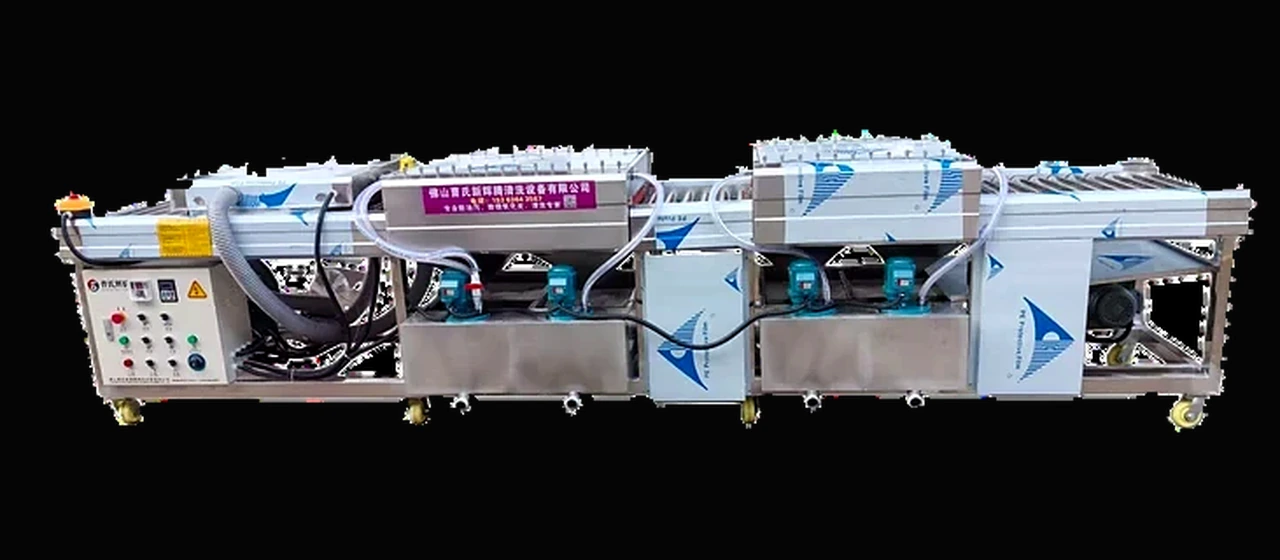
Key differences
How to judge whether final approval should follow wide-panel logic or small-part logic
Choose by part size, surface continuity, handling, drying, and inspection requirements.
Wide-panel option
Acrylic board cleaning for wide visible surface panel approval
Usually the better option when the approval problem is driven by wide visible faces, wipe-free drying, surface continuity, and cosmetic-panel release before inspection, protective film, packing, or another last-step next production step.
A good choice when
- Wide acrylic boards and similar visible surface panels that must leave final inspection or protective-film next production step without cosmetic-surface loss
- Projects where approval is judged by large-face continuity, haze control, wipe-free release, and handling restraint across the whole panel
- customers who already know the hardest part of approval is not only cleanliness, but keeping a broad cosmetic face stable at production speed
Please check first if
- Re-evaluate the wide-panel option as a generic final-approval answer if the real workpiece is a smaller discrete cosmetic part with very different feeding and spacing logic
- Still send the hardest real panel because width, transparency, film status, and cosmetic-face sensitivity can change the quote risk materially
- Verify whether each final-approval defect on a plastic surface comes from panel logic if the real failure may be tied to smaller-part handling or output rhythm
Small-part option
Mobile phone case cleaning for high-volume cosmetic-part approval
Usually the better option when the approval problem is driven by high-output cosmetic parts, real feeding rhythm, two-sided washing consistency, and keeping smaller visible surfaces inspection-ready without manual batch handling.
A good choice when
- Mobile phone cases and similar small cosmetic plastic parts that must leave inspection-ready or pack-ready at real production rhythm
- Projects where the quote is really decided by feeding rhythm, spacing, cosmetic consistency, and double-sided drying instead of by wide-panel surface continuity
- customers who need a option for smaller discrete parts where output realism and surface approval must hold together
Please check first if
- Avoid switching to the small-part option as a generic upgrade if the real project is still a broad visible surface panel release job
- Still send the hardest real part because finish, coating, material, and cosmetic-face sensitivity change the quote risk materially
- Evaluate beyond cosmetic appearance if the real bottleneck is feeding rhythm, part spacing, or whether approval drops before nominal output does
What to compare
Compare the options by the approval geometry that actually changes the quote
Better when approval depends on a broad continuous visible face where wipe-free uniformity across panel width defines the release risk.
Better when approval depends on many smaller discrete parts where spacing, feeding rhythm, and case-by-case cosmetic consistency define the release risk.
Stronger when haze, wipe marks, retained moisture, or visible surface nonuniformity across a wide panel block approval.
Stronger when cosmetic defects emerge through feeding rhythm, inconsistent two-sided drying, small-part handling, or output-speed instability.
Best when the project is judged more by wide-panel next production step quality than by discrete-part throughput claims.
Best when the project is judged by whether cosmetic approval can still hold at real part spacing and production rhythm.
Needs the hardest real panel, approval-face standard, and wipe-free release target defined before a confident option recommendation.
Needs the hardest real cosmetic part, feeding method, spacing plan, and inspection-ready output target defined before a quote request.
Higher risk if your team keeps wide-panel logic even though the real approval job is already limited by small-part handling and output rhythm.
Higher risk if your team moves to small-part logic even though the real blocker is still wide-face continuity, panel drying, or protective-film next production step.
Recommended machine
Open the option that matches the real approval geometry, not the loosest cosmetic label
Send the largest or most difficult part, the inspection standard, and the required output for a suitable recommendation.
Choose the acrylic-board option when you are really solving wipe-free, wide-face cosmetic approval on large visible surface panels before release.
Open wide-panel option Review small parts Use the small-part option when final approval is really driven by cosmetic-part rhythm and handlingChoose the mobile-phone-case option when you are really solving inspection-ready cosmetic consistency on smaller discrete parts instead of wide-panel next production step quality.
Open small-part optionBefore requesting a quote
Send these facts before asking which option fits
- Real workpiece family, including width or part size range, thickness, finish or transparency type, and which sample is hardest to pass at final approval
- Current approval-stage reject evidence: wipe marks, haze, scratch concern, static dust, retained moisture, uneven drying, or mixed cosmetic defects
- True final production step after cleaning: inspection, protective film, packing release, shipment approval, or another last-step gate
- Real production rhythm, feeding method, spacing plan, and whether the defect appears only at production speed instead of on one easy sample
- Voltage, floor space, drainage, destination expectations, and whether sample confirmation is needed before final recommendation
Please check first
When you may need a different solution
- Avoid assuming all cosmetic final-approval projects can use the same option just because both involve visible surfaces and last-step inspection
- Re-evaluate the wide-panel option if the real approval blocker is already tied to smaller-part feeding rhythm or discrete-part output instability
- Avoid switching to the small-part option if the real blocker is still wide-face panel continuity, wipe-free drying, or protective-film next production step quality
Related guides
Related guides
See related application guides, cleaning issues, and machine testing details.
Use the wide-panel approval application page when you already know the issue sits at final visible surface panel release and still needs the option review.
Open wide-panel approval application Cleaning problem guide Manual wipe rework after panel washingBest fit when the visible bottleneck is still wipe-free release, and your production line requires help separating wide-panel logic from smaller-part logic.
Open wipe-rework problem guide Cleaning problem guide Scratch risk on visible surface panels after washingBest fit when scratch tolerance, rework source, or post-dry handling risk still need to be separated before the option is fully clear.
Open scratch-risk problem guide Machine testing See testing and delivery supportUse trust-details when the option looks workable and your production line requires test evidence, pre-shipment review, and supplier support before inquiry.
View testing detailsCommon questions
Questions to settle before you request a machine recommendation
The final setup depends on your part, residue, output target, utilities, and required result.
Can I choose a machine from this comparison alone?
This page compares Wide-panel option and Small-part option. The final choice still depends on your part, residue, output target, utilities, and required finish.
What should I send before asking which option is right?
Prepare the facts that usually change the choice first: Real workpiece family, including width or part size range, thickness, finish or transparency type, and which sample is hardest to pass at final approval Current approval-stage reject evidence: wipe marks, haze, scratch concern, static dust, retained moisture, uneven drying, or mixed cosmetic defects True final production step after cleaning: inspection, protective film, packing release, shipment approval, or another last-step gate Real production rhythm, feeding method, spacing plan, and whether the defect appears only at production speed instead of on one easy sample
When should I ask for a technical check first?
Please ask us to check first if any of these apply: Avoid assuming all cosmetic final-approval projects can use the same option just because both involve visible surfaces and last-step inspection Re-evaluate the wide-panel option if the real approval blocker is already tied to smaller-part feeding rhythm or discrete-part output instability Avoid switching to the small-part option if the real blocker is still wide-face panel continuity, wipe-free drying, or protective-film next production step quality
