 Industrial Cleaning & Drying Systems


Cleaning problem guide
Coated surface looks clean but shows light drag marks under side light
This guide helps to identify the cause of coated surface looks clean but shows light drag marks under side light and choose a suitable cleaning machine. Send photos of the part, contamination, and required finish for a practical recommendation.
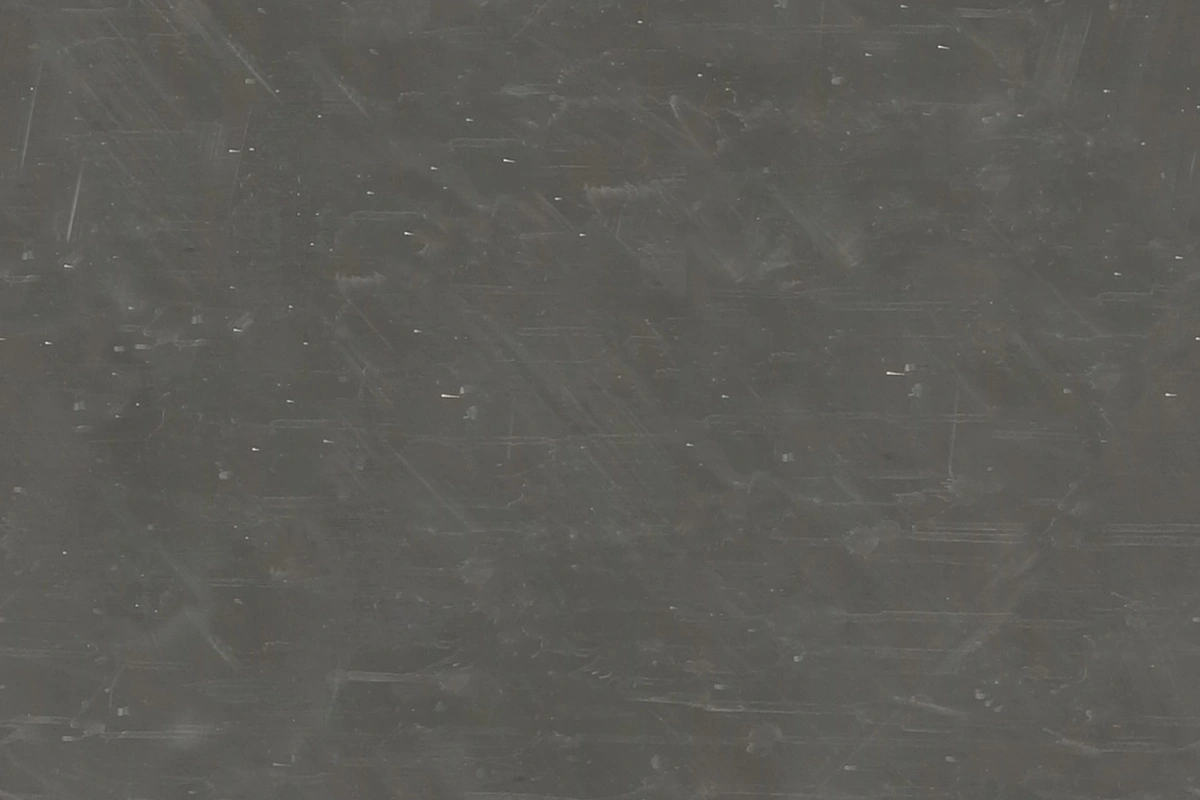
Common signs
What this cleaning problem can involve
- Coated cosmetic parts look acceptable in normal view, but still show light drag marks under side light after drying.
- The visible defect may only appear on the coated face, at a specific angle, or during tray-packing and final appearance approval.
- The line seems to deliver a dry part, yet the real approval gap appears only when the surface is judged under a stricter viewing angle.
- The project needs a machine setup that confirms coating sensitivity, contact reveal, and handling stability together before quote.
Please confirm
Details that help us recommend a machine
Confirm the drag marks appear under side light, tray-packing light, final inspection light, or another controlled angle, because head-on acceptance can hide the real reject condition.
State coating type, gloss level, texture, and whether the drag reveal follows a specific face or zone, because different coating surfaces react differently to light contact and drying reveal.
Check whether the reveal is tied to brushing, transfer, unloading, or post-dry handling, because a clean-looking coated face can still fail after a light-contact step.
Check whether the defect appears right after drying, during tray loading, or at final approval. The timing often shows whether the machine or the next production step is the weak point.
Recommended machines
Machines to consider for this problem
Choose based on the residue, part shape, drying result, and whether a separate rinse is needed.
This fits when coated cosmetic plastic parts need stable washing and wipe-free drying that can hold under stricter side-light approval checks.
View Phone Cases machine Adjacent cosmetic-plastic fit Acrylic Board Cleaning MachineCompare this when the visible surface problem behaves more like a coated plastic-panel approval machine setup than a pure small-part output question.
View Acrylic Board machine Approval-view comparison fit Glass Cleaning MachineReview this when you are mainly checking gentle visible surface handling under different light and angle conditions.
View Glass machineBefore you request a quote
What to confirm with us
- 01
Show the real side-light drag reveal
Send close-up photos or short video of the coated face under the actual side-light or inspection light condition so the machine setup is judged by the true reject view instead of by a normal clean-looking appearance.
- 02
Separate drag reveal from haze or residue
Clarify the failure is a light drag mark, retained water film, haze, fine dust, or another reveal pattern, because several coated-surface approval defects are often merged into one complaint.
- 03
Define the hardest coated face
Confirm part size range, thickness, coating or texture type, and which real face is most likely to fail under side light before comparing machine types.
- 04
Prepare quote and verification facts
Before quote, confirm target output, feeding method, water-quality notes, voltage, loading direction, and whether your team can provide reject parts or approval samples for machine setup verification.
For a quote request
Share these details for a more accurate recommendation
- Part size range, thickness, material, coating or texture type, and which real face most often shows light drag marks under side light after drying
- Photos or short video of the side-light drag-mark condition, plus any haze, water-film, or contact-pattern evidence after the current wash process
- Target output, feeding method, whether parts go to tray packing or approval, and whether they must be ready for approval, tray packing, or further processing
- Water quality, voltage, loading direction, delivery country, and whether sample confirmation is needed before quote
Please check with us first if
This machine may not be suitable when
- Heavy metal parts or formed housings outside the intended coated cosmetic visible surface machine setup
- Projects where coating drag marks cannot be demonstrated under production inspection lighting
- Cases where the visible complaint is actually upstream coating, molding, or packaging damage rather than a washing-side approval problem
Common questions
Questions to settle before you request a machine recommendation
The final setup depends on your part, residue, output target, utilities, and required result.
Are light drag marks a cleaning failure or a handling failure?
They can be either, or a mix of both. The useful check is whether the marks appear after washing, after drying, during transfer, or during tray loading, because each timing points to a different machine setup decision.
Why are coated surfaces harder to judge?
Coating type, gloss level, texture, and viewing angle can make small contact traces visible only under side light. A clean-looking surface in normal light may still fail under the actual approval condition.
What information should be sent before quote?
Send coating or finish details, side-light reject photos, target output, feeding method, what happens after drying, and whether the defect appears on every part or only the most sensitive face.
