 Industrial Cleaning & Drying Systems


Comparison guide
Glass cleaning machine vs standard aluminum plate cleaning machine for water-mark-sensitive panels
Choose glass cleaning when visible water marks and final surface approval are the priority. Choose aluminum-panel cleaning when sheets need a reliable finish before coating, lamination, storage, or packing.
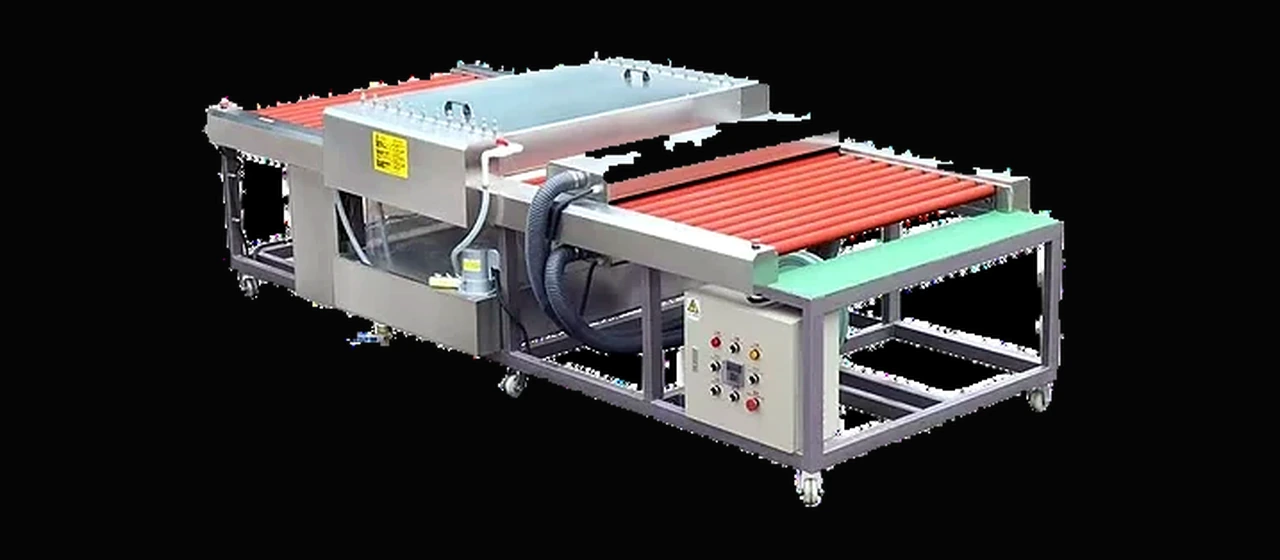
Key differences
How to judge whether water-mark-sensitive panels need a glass option or can stay on a standard panel option
Choose by water-mark tolerance, drying consistency, surface sensitivity, and the next production step.
Glass option
visible surface glass cleaning for water-mark control and stable drying
Usually the better option when the buying risk is visible water marks, surface approval, and repeatable drying quality on panels that are judged more like glass than like a standard sheet-cleaning line.
A good choice when
- Glass panels and similarly water-mark-sensitive flat surfaces where visible drying quality matters as much as basic cleanliness
- Projects where your production line requires stable water-mark control before packing, inspection, insulating work, or another visible surface next production step
- Factories that already know rework comes from visible drying defects, wipe marks, or unstable panel approval instead of only light residue removal
Please check first if
- Avoid switching to the glass option as a generic upgrade if the real panel family is still a tougher standard sheet job with broader cleanliness tolerance
- Still send the hardest real panel because water quality, edge condition, and line-speed drying can change the quote risk
- Avoid assuming water-mark complaints automatically mean the option is glass-led if the real problem may still be contamination carryover or unclear downstream standards
Standard panel option
Standard aluminum-plate cleaning for practical flat-sheet washing and drying
Usually the better option when the project is still a standard flat-sheet or panel cleaning job, where practical residue removal, line throughput, and normal drying stability matter more than highly visible surface approval.
A good choice when
- Aluminum sheets, stainless plates, and similar flat panels that mainly need process-ready or packing-ready cleaning before the next step
- Projects where your production line requires a practical standard option for coating, storage, packing, or general downstream sheet handling
- customers who still judge the line mainly by width, residue type, and ordinary drying consistency rather than by strict visible water-mark approval
Please check first if
- Re-evaluate the standard option if water marks, visible drying defects, or wipe rework are already the main commercial complaint
- Use caution when the panels are described as standard sheets but the real approval standard behaves more like visible surface glass handling
- Avoid quoting this option too early if your team only says the panels should look clean but cannot define the real rejection threshold after drying
What to compare
Compare the options by the visible drying problem that actually changes the quote
Better when visible water marks, drying residue, or panel approval risk are central to the buying decision.
Better when the panel family still has a broader tolerance and the main target is practical process cleanliness.
Stronger when the option must hold repeatable visible surface drying across real batches, not just one acceptable sample.
Usually enough when standard drying stability is acceptable and the project is not judged by cosmetic panel approval.
Best when panels leave toward inspection, insulating work, or packing steps that expose visible drying defects immediately.
Best when panels leave toward coating, storage, packing, or another broader sheet process without strict visible surface escalation.
Lower risk when you already know rework comes from visible drying defects and not only from ordinary residue removal.
Lower risk when the project can still be quoted by width, residue type, and practical throughput without visible surface approval becoming the main issue.
Higher risk if your team jumps to a glass option without proving whether water quality, contamination carryover, or finish standard are the real causes.
Higher risk if your team keeps a standard option even though visible water marks and final-surface rejects are already driving the purchase.
Recommended machine
Open the option that matches the true water-mark approval standard
Compare the two machine types, then send us your panel material, finish requirement, and current surface issue.
Choose the glass option when visible water marks, drying repeatability, and final panel approval matter more than keeping a broader standard panel option.
Open water glass cleaning machine setup Stay more standard Use the standard panel option when the job is still a broader flat-sheet cleaning projectChoose the standard aluminum-plate option when the main target is practical flat-sheet washing and drying before coating, storage, or normal packing without visible surface escalation.
Open standard panel optionBefore requesting a quote
Send these facts before asking which option fits
- Real panel material, width, thickness, edge condition, and which sample is most water-mark-sensitive or hardest to dry consistently
- Current reject complaint after washing: visible water marks, wipe rework, drying residue, haze, light contamination, or mixed surface defects
- Downstream target after cleaning: coating-ready, inspection-ready, insulating-ready, pack-ready, or standard process-ready
- Water quality, line speed, visible surface standard, and whether the same problem appears only at production rhythm instead of on a slow sample run
- Voltage, floor space, drainage, destination expectations, and whether sample confirmation is needed before final recommendation
Please check first
When you may need a different solution
- Verify whether each panel with light water marks needs a glass option if the real approval standard is still a normal standard-sheet target
- Re-evaluate the standard panel option if visible drying defects, wipe rework, or final-surface rejects are already the main buying problem
- Avoid quoting from one easy sample if the hardest real panel, water quality condition, and true downstream approval standard still have not been reviewed
Related guides
Related guides
See related application guides, cleaning issues, and machine testing details.
Use the glass application page when starting from visible surface glass-production process and still needs the option narrowed by drying approval.
Open glass-production process application Application guide Aluminum sheet cleaning before coatingUse the aluminum-sheet application page when the project may still be a standard flat-sheet option and the option needs narrowing by downstream use.
Open aluminum sheet application Cleaning problem guide Water mark removal from glass panelsUse the problem page when visible water marks, drying residue, or water-quality-driven panel rejects are still the main complaint before the option is fully clear.
Open water-mark problem guide Machine testing See testing and delivery supportUse trust-details when the panel-cleaning option looks workable and your production line requires test evidence, pre-shipment review, and supplier support before inquiry.
View testing detailsCommon questions
Questions to settle before you request a machine recommendation
The final setup depends on your part, residue, output target, utilities, and required result.
Can I choose a machine from this comparison alone?
This page compares Glass option and Standard panel option. The final choice still depends on your part, residue, output target, utilities, and required finish.
What should I send before asking which option is right?
Prepare the facts that usually change the choice first: Real panel material, width, thickness, edge condition, and which sample is most water-mark-sensitive or hardest to dry consistently Current reject complaint after washing: visible water marks, wipe rework, drying residue, haze, light contamination, or mixed surface defects Downstream target after cleaning: coating-ready, inspection-ready, insulating-ready, pack-ready, or standard process-ready Water quality, line speed, visible surface standard, and whether the same problem appears only at production rhythm instead of on a slow sample run
When should I ask for a technical check first?
Please ask us to check first if any of these apply: Verify whether each panel with light water marks needs a glass option if the real approval standard is still a normal standard-sheet target Re-evaluate the standard panel option if visible drying defects, wipe rework, or final-surface rejects are already the main buying problem Avoid quoting from one easy sample if the hardest real panel, water quality condition, and true downstream approval standard still have not been reviewed
