


Common buying question
Metal blank cleaning before coating or painting
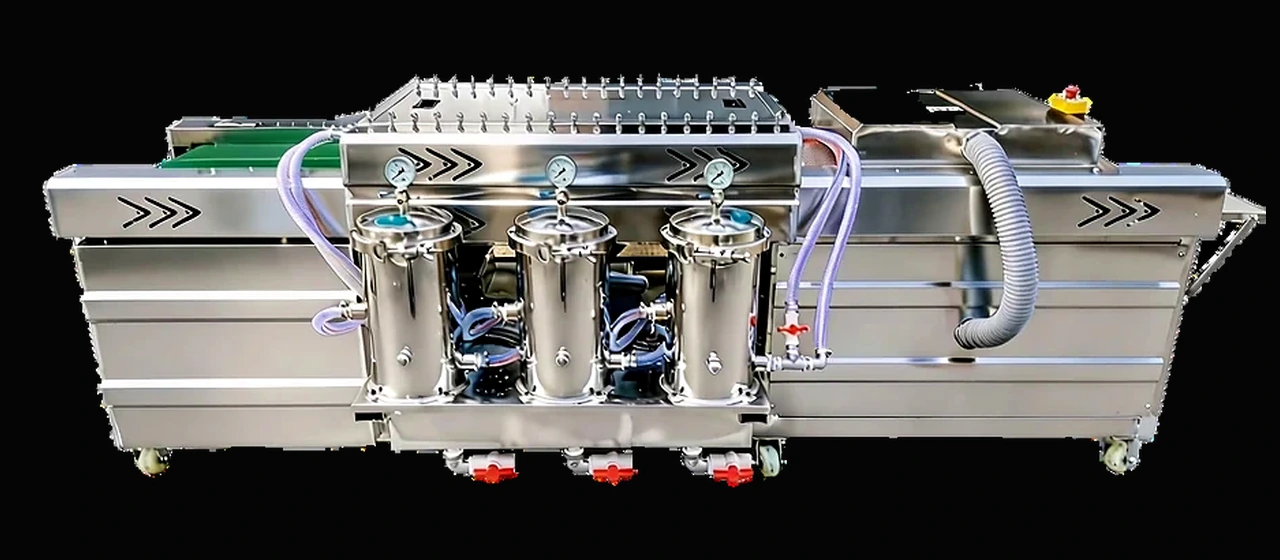
Metal blank cleaning before coating fails when oil, chips, dust, or water carry-over reaches the next process. The useful machine route depends on blank size, flatness, residue load, drying standard, and whether the downstream process is painting, powder coating, inspection, or packing.
When buyers open this page
Usually a fit when these things are true
- Oil film or chip residue remains on flat blanks before coating.
- Coating defects appear after washing, drying, or manual wiping.
- The blank is flat enough for conveyor feeding but still needs residue separation.
- The buyer needs a stable handoff to coating, painting, powder coating, or inspection.
Check these points first
Do not choose the route from one symptom alone
Confirm width, length, thickness, edge condition, holes, stacking behavior, and feeding stability.
Separate light oil, machining oil, chips, dust, polishing residue, and handling marks.
State whether the next process is painting, powder coating, lamination, inspection, or packing.
Define whether the part must be coating-ready, inspection-ready, or only storage-ready.
Quick visual check
What this issue usually looks like on the line before asking price
Start from the residue that keeps blocking stable output
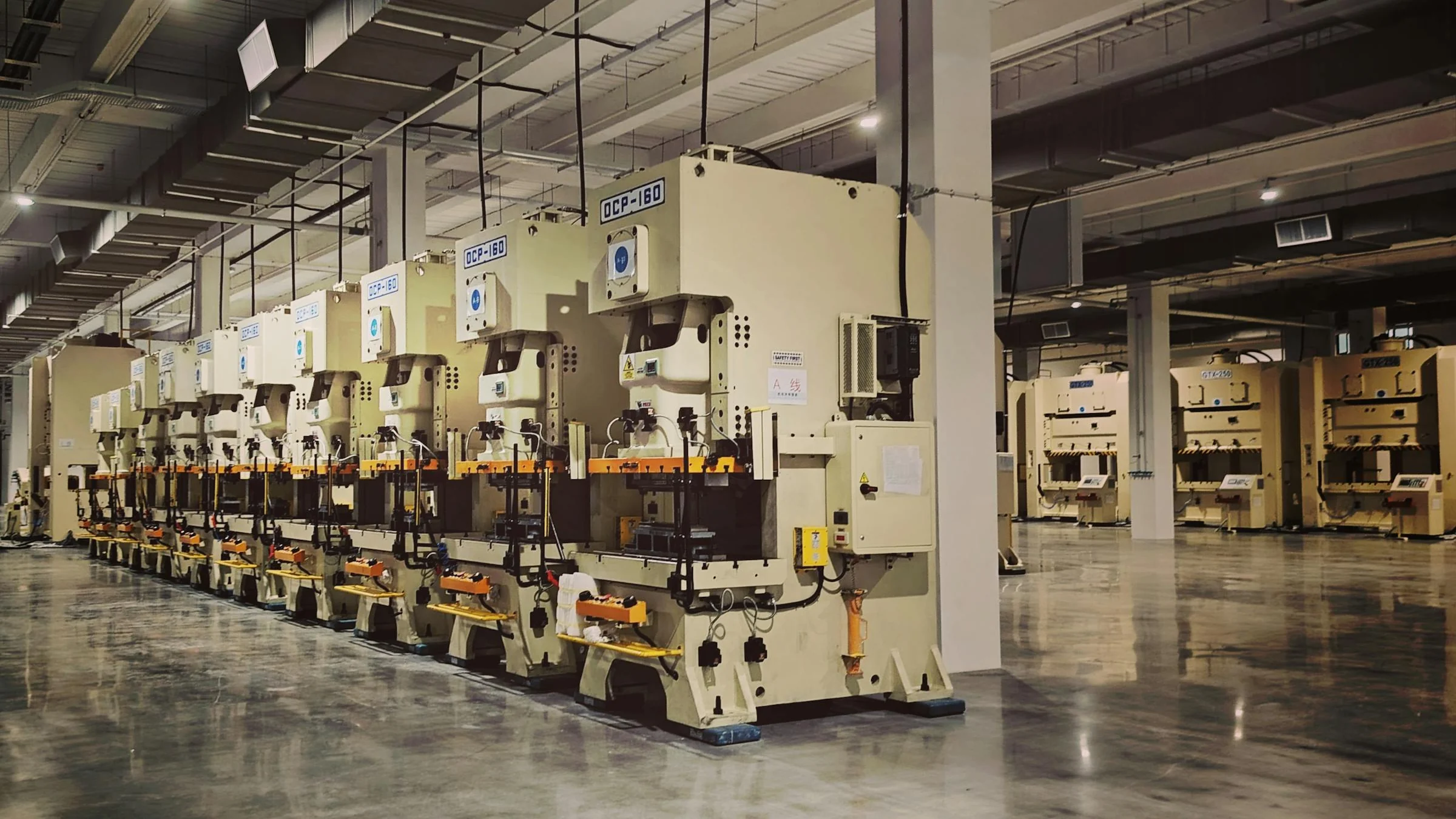
Oil film or chip residue remains on flat blanks before coating.
Confirm flat feeding
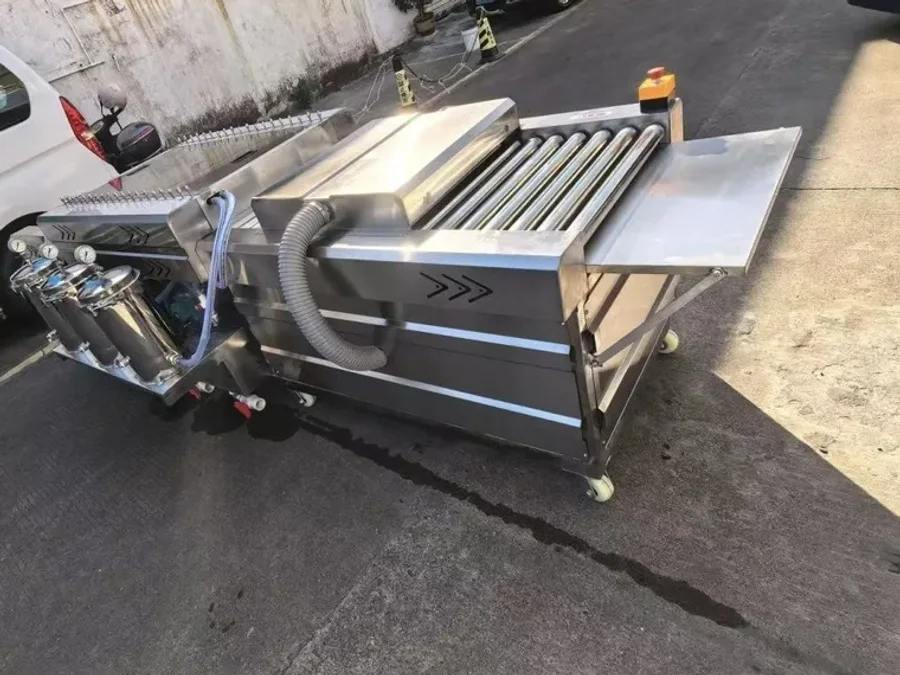
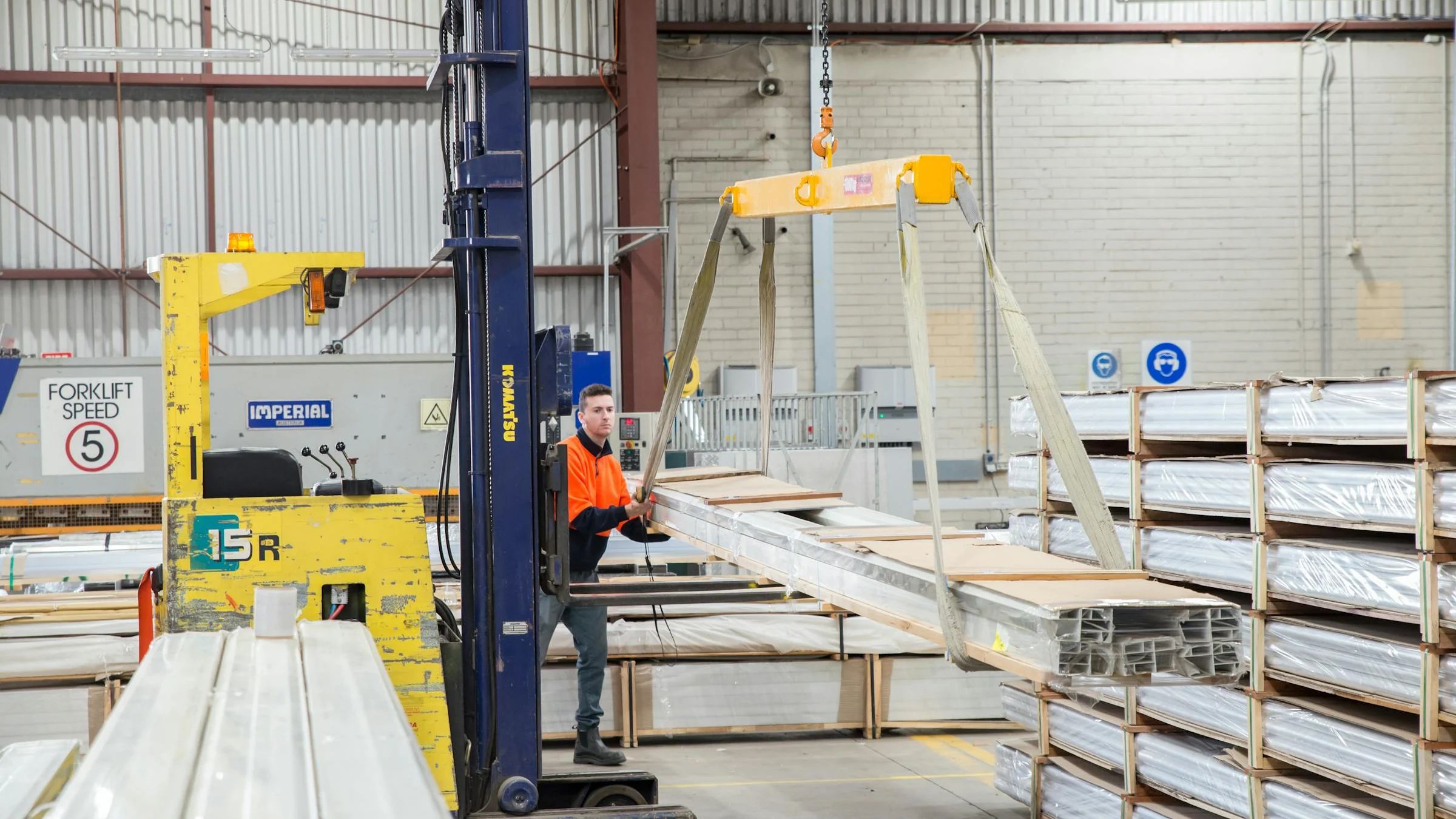
A conveyor cleaning line works best when blanks feed steadily without overlap, bouncing, or trapping water.
The target is the next process, not only a cleaner-looking part
Coating and painting usually need a clearer drying target than storage or rough handling.
Routes to compare
Machine pages buyers usually compare here
Use this for flat metal blanks, tools, saw blades, or hardware where brush washing and one-pass drying can support the next coating step.
Flat Hardware For sheet or panel lines Aluminum Plate Cleaning MachineCompare this when the blanks are closer to wider flat sheet or aluminum/stainless sheet handling.
Aluminum Plate Heavier residue Two Water Tank Cleaning MachineReview this when oil, chips, or mixed residue require rough washing and a cleaner rinse before drying.
Two TankHow buyers narrow it down
How to qualify the issue before asking for a quote
- 01
Check the coating failure mode
Show whether defects come from oil, chips, dust, water marks, or handoff contamination before choosing the machine route.
- 02
Confirm flat feeding
A conveyor cleaning line works best when blanks feed steadily without overlap, bouncing, or trapping water.
- 03
Decide if one stage is enough
If the first washing stage becomes dirty quickly, compare a two-stage route before judging the final surface result.
- 04
Match drying to the next process
Coating and painting usually need a clearer drying target than storage or rough handling.
For a useful quote
Send these details
- Metal blank photos, material, width, length, thickness, and edge condition
- Residue photos or video before coating or painting
- Downstream coating process and unacceptable defect examples
- Daily output, voltage, drainage, available floor space, and destination country
Check before order
Not the right fit when
- Deep cavity or formed parts that cannot feed as flat blanks
- Chemistry-sensitive coating projects with no residue sample or process detail
- Parts where coating defects are caused by upstream damage rather than cleaning
Buyer questions
Questions buyers usually want answered before they inquire
What machine is usually compared for metal blank cleaning before coating?
Buyers usually compare a flat hardware or flat sheet cleaning machine first, then decide whether a two-tank route is needed for heavier oil or chip carry-over.
Why does coating still fail after metal blanks are washed?
The cause may be residual oil, chips, dust, water carry-over, drying mismatch, or contamination during unloading rather than washing pressure alone.
What details make a metal blank cleaning quotation more accurate?
Blank size, material, residue photos, coating process, target output, drying requirement, voltage, and floor space are the most useful details.