 Industrial Cleaning & Drying Systems


Comparison guide
One-tank vs two-tank cleaning machine for metal parts
Choose one tank for stable flat parts with manageable residue. Choose two tanks when heavy oil or chips make the wash water dirty too quickly and rinse quality drops during production.
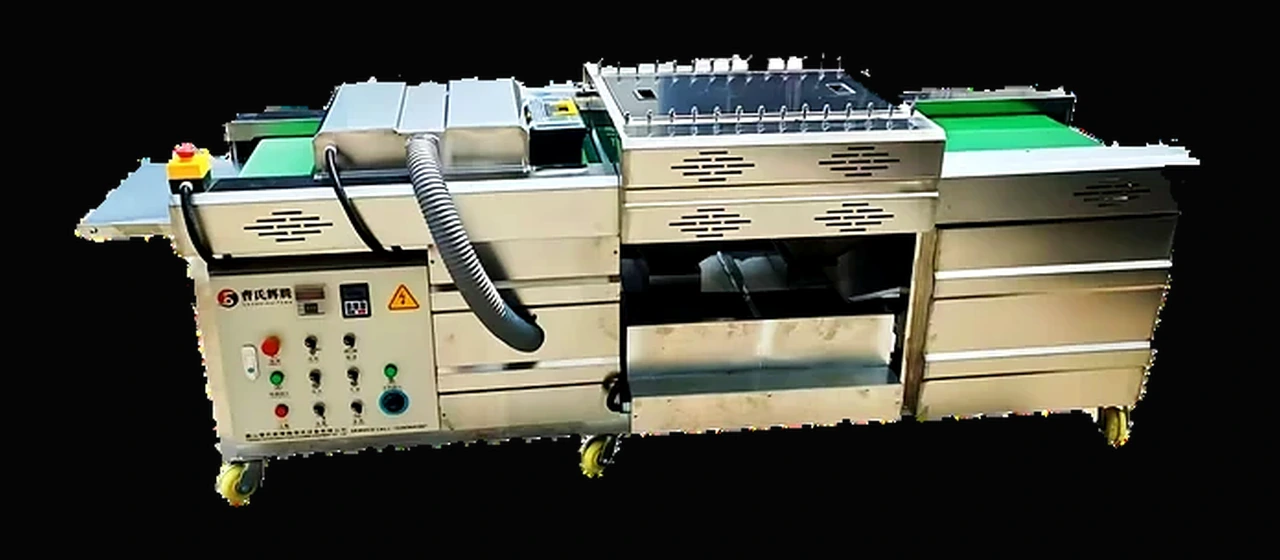
Key differences
Choose by residue load and batch stability
Tank count alone does not decide the machine. Compare the oil and chip load, part shape, production stability, and drying result you need.
One-tank machine
Single-pass flat-part washing and drying
Best for flat, stable parts with manageable residue when one washing stage and drying can keep the required result across production.
A good choice when
- Thin flat metal parts with light to medium oil, wax, or mixed surface residue
- Projects where one-pass washing and drying meet the next production or packing requirement
- Part families that feed steadily and do not trap too much liquid or residue
Please check first if
- Choose another option when oil and chips make the wash water dirty too quickly
- Test the hardest part and later batches, not only the cleanest sample
- Use caution when holes, edges, or recesses hold residue that a flat top view hides
Two-tank machine
Separated rough washing and cleaner rinsing
Best when heavy oil, chips, or mixed residue overwhelm one wash stage and you need a cleaner final rinse throughout production.
A good choice when
- Metal parts with heavier oil, chips, or mixed residue that overload one-stage washing
- Projects where the first tank gets dirty too fast and final rinse quality drops during production
- Projects that need consistent results across batches before packing, storage, or assembly
Please check first if
- Verify contamination carryover and bath life requirements before specifying a dual-tank configuration
- Check drainage and part shape early; an extra tank does not solve trapped liquid
- Show the current cleaning problem so we can confirm two tanks are needed
What to compare
The production conditions that change the machine choice
Better when oil, wax, or light chips are still manageable in one stage.
Better when heavy oil, mixed residue, or chip carryback overloads one-stage washing.
Works when washing stays clean enough across the full production run.
Useful when the first wash stage gets dirty quickly and you need stable rinse quality.
Best for flat, stable parts that feed well and do not trap much residue or liquid.
Useful for heavier contamination, but drainage and part shape still need to be checked.
Often enough when one washing stage gives a stable result for the next process or packing.
More useful when parts need a cleaner final surface before packing, storage, or assembly.
Recommended machine
Choose the machine that matches the cleaning problem
This fits when comparison to identify the better machine type, then send us your part and cleaning details for a configuration and quote.
Choose the flat-hardware machine when parts are flat and stable, and one washing stage plus drying meets your output and finish requirement.
View one-tank machine Two-tank option Choose two tanks for stable rinsingChoose the two-tank machine when the first wash stage gets dirty too quickly, chips return to the parts, or you need a cleaner final result before packing or assembly.
View two-tank machineBefore requesting a quote
Details to send us
- Photos or video of the current result after several batches, not only the cleanest first sample
- Part material, thickness, width, geometry, and whether liquid or chips stay trapped after washing
- Oil load, chip volume, and whether chips circulate back onto the part as production continues
- Required final result after drying: process-ready, assembly-ready, pack-ready, or inspection-ready
- Daily output, voltage, drainage, floor space, and whether sample confirmation is needed before final recommendation
Please check first
When you may need a different solution
- Single-tank systems often suffice if bath life, oil skimming, and filtration adequately maintain wash quality
- Evaluate wash and rinse bath stability across multi-hour continuous runs rather than inspecting only the initial test coupon
- Contact us if the part type, drainage behavior, or required final condition is still unclear
Related guides
Explore the cleaning problem or application
See these pages for part-specific cleaning information, common problems, and machine testing details.
This guide when you know the workpiece and next production step but need help choosing a machine type.
Open flat metal parts application Cleaning problem guide Heavy oil removal from metal partsThis guide when heavy oil, unstable rinsing, or residue is the main problem.
Open heavy oil problem guide Cleaning problem guide Cleaning flat parts before packingThis guide when moisture, packing cleanliness, or final drying is the main concern.
Open before-packing problem guide Machine testing See testing and delivery supportSee how machines are tested, prepared for shipment, and supported for delivery.
View testing detailsCommon questions
Questions to settle before you request a machine recommendation
The final setup depends on your part, residue, output target, utilities, and required result.
Can I choose a machine from this comparison alone?
This page compares One-tank machine and Two-tank machine. The final choice still depends on your part, residue, output target, utilities, and required finish.
What should I send before asking which option is right?
Prepare the facts that usually change the choice first: Photos or video of the current result after several batches, not only the cleanest first sample Part material, thickness, width, geometry, and whether liquid or chips stay trapped after washing Oil load, chip volume, and whether chips circulate back onto the part as production continues Required final result after drying: process-ready, assembly-ready, pack-ready, or inspection-ready
When should I ask for a technical check first?
Please ask us to check first if any of these apply: Single-tank systems often suffice if bath life, oil skimming, and filtration adequately maintain wash quality Evaluate wash and rinse bath stability across multi-hour continuous runs rather than inspecting only the initial test coupon Contact us if the part type, drainage behavior, or required final condition is still unclear
