Industrial Cleaning & Drying Systems


Comparison guide
Two-water-tank cleaning machine vs flat hardware tool cleaning machine
Choose the flat-hardware machine for stable parts with manageable residue. Choose two tanks when heavy oil, chips, or mixed contamination make one wash stage unstable during production.
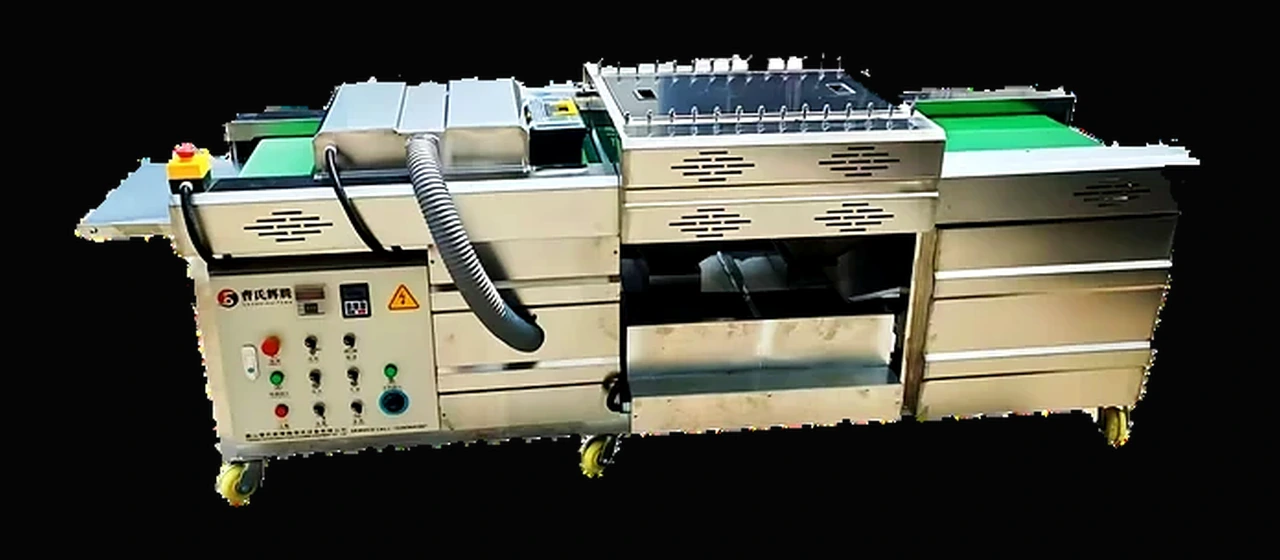
Key differences
Choose by residue load and production stability
Compare oil and chip load, batch stability, part shape, and the final condition you need. The right choice depends on the cleaning result, not the product name alone.
Two-tank machine
Separated rough washing and cleaner rinsing for heavier flat-part loads
Best when flat parts feed reliably but heavy oil, chips, or mixed residue make one washing stage dirty too quickly.
A good choice when
- Flat metal parts with heavier oil, wax, chips, or mixed residue that overload one-stage washing too quickly
- Projects where later batches lose cleanliness because the first wash stage gets dirty too fast
- Projects that need a cleaner final result before packing, storage, or assembly
Please check first if
- Confirm that high residue load or multi-hour bath degradation requires isolated wash and rinse stages
- Check the hardest part because holes, burrs, recesses, and drainage issues need their own solution
- Send photos and production details so we can confirm two tanks are needed
Flat-hardware machine
Single-pass flat-hardware cleaning and drying for simpler part families
Best when the part family is flat and stable, residue is manageable in one stage, and compact washing and drying meet the production requirement.
A good choice when
- Flat tools, blades, and hardware parts with light to medium oil, wax, or visible residue that stay manageable in one stage
- Projects where one-pass washing and drying can still meet pack-ready, storage-ready, or next-process targets
- Projects that need a compact machine without carryover or batch-stability problems
Please check first if
- Re-evaluate this option if multi-hour production runs show oil carryback, dirty rinse baths, or uneven cleanliness
- Use caution when the easiest sample looks acceptable but the hardest real part carries more oil, chips, or drying risk
- Evaluate wash-stage capacity by oil volume and bath degradation rather than workpiece flatness alone
What to compare
Conditions that change the machine choice
Better when heavy oil, chips, polishing residue, or mixed contamination already overload one-stage washing.
Better when light to medium residue is still manageable without separated rinse logic.
Useful when the wash stage gets dirty quickly and later batches no longer meet the required cleanliness level.
Usually enough when one-pass washing stays acceptably stable across the real production run.
More useful when parts need a cleaner result before packing, storage, or assembly.
More useful when one-pass cleaning is stable enough for the next production step.
Best when the extra washing and rinsing stages improve results for the actual contamination load.
Best when a single washing stage provides stable results.
An extra tank does not solve trapped water, difficult geometry, or poor part support.
A single wash tank is insufficient if metal chips or heavy stamping oils recirculate and contaminate exit surfaces.
Recommended machine
Choose the machine that matches the cleaning problem
This fits when comparison to identify the better machine type, then send us your parts and cleaning details for a configuration and quote.
Choose two tanks when heavy oil, chips, or mixed residue make one-pass washing unstable.
View two-tank machine Flat-hardware option Choose flat-hardware cleaning for manageable residueChoose the flat-hardware machine when parts are stable, residue is manageable, and one-pass washing plus drying remains consistent.
View flat-hardware machineBefore requesting a quote
Details to send us
- Photos or video of the hardest real part and the batch result after several cycles, not only the cleanest early sample
- Part material, thickness range, width, holes, edges, and whether the family still feeds steadily across the whole production mix
- Residue type and load: light oil, heavy oil, wax, chips, polishing residue, or mixed contamination
- Required final condition after drying: ready for the next process, storage, packing, or assembly
- Daily output, voltage, floor space, drainage, and whether you can provide a sample
Please check first
When you may need a different solution
- Flat hardware lines with optimized spray manifolds often achieve superior cleanliness for thin parts without extra tank volume
- Upgrade to dual tanks if high stamping oil loads overwhelm single-stage filtration during long production shifts
- Contact us if the hardest part, contamination level, or final requirement is still unclear
Related guides
Explore applications and cleaning problems
See these pages for part-specific cleaning information, common problems, and machine testing details.
This guide when you know the flat part and next production step but need help choosing a machine type.
Open flat metal parts application Cleaning problem guide Heavy oil removal from metal partsThis guide when heavy oil or residue is the main cleaning problem.
Open heavy oil problem guide Cleaning problem guide Metal chips removal from flat parts before packingBest fit when chip carryback, mixed residue, or dirtier later batches are still the real reason the cleaning result is unstable.
Open metal chips problem guide Machine testing See testing and delivery supportSee how machines are tested, prepared for shipment, and supported for delivery.
View testing detailsCommon questions
Questions to settle before you request a machine recommendation
The final setup depends on your part, residue, output target, utilities, and required result.
Can I choose a machine from this comparison alone?
This page compares Two-tank machine and Flat-hardware machine. The final choice still depends on your part, residue, output target, utilities, and required finish.
What should I send before asking which option is right?
Prepare the facts that usually change the choice first: Photos or video of the hardest real part and the batch result after several cycles, not only the cleanest early sample Part material, thickness range, width, holes, edges, and whether the family still feeds steadily across the whole production mix Residue type and load: light oil, heavy oil, wax, chips, polishing residue, or mixed contamination Required final condition after drying: ready for the next process, storage, packing, or assembly
When should I ask for a technical check first?
Please ask us to check first if any of these apply: Flat hardware lines with optimized spray manifolds often achieve superior cleanliness for thin parts without extra tank volume Upgrade to dual tanks if high stamping oil loads overwhelm single-stage filtration during long production shifts Contact us if the hardest part, contamination level, or final requirement is still unclear