Industrial Cleaning & Drying Systems


Cleaning problem guide
Metal chips removal from flat parts before packing
This guide helps to identify the cause of metal chips removal from flat parts before packing and choose a suitable cleaning machine. Send photos of the part, contamination, and required finish for a practical recommendation.
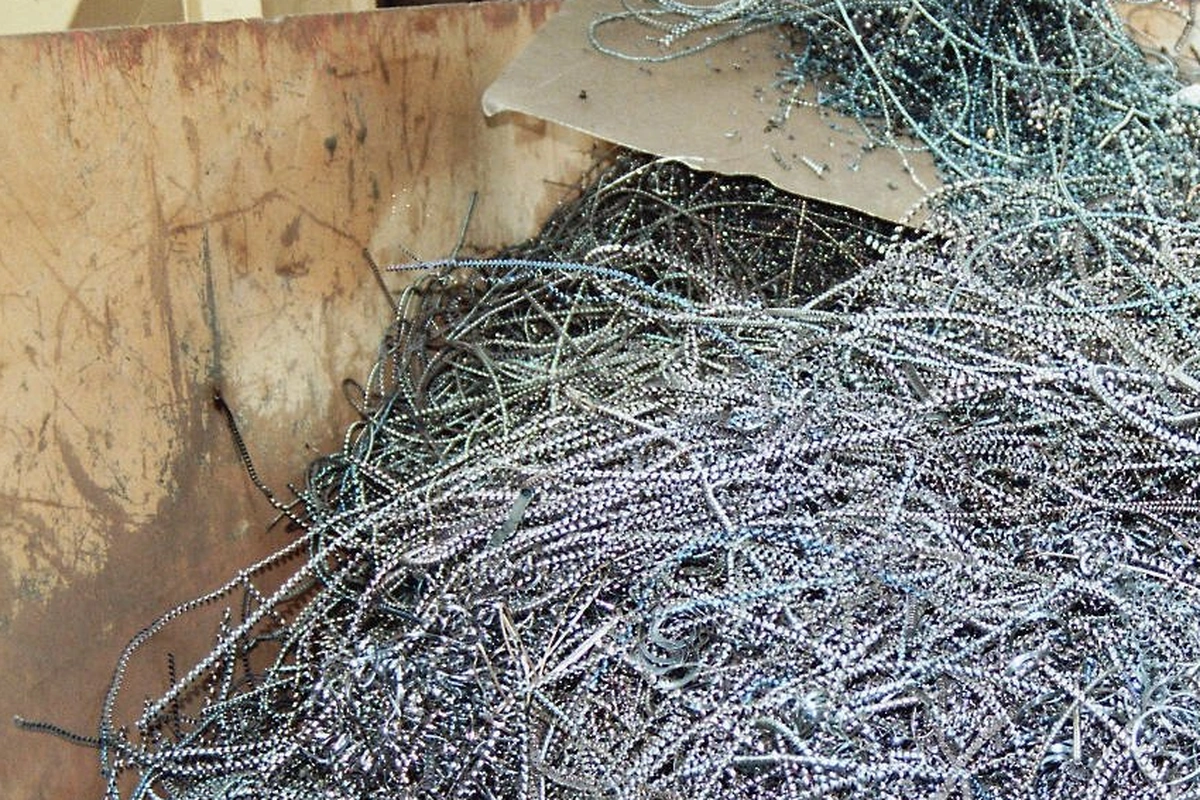
Common signs
What this cleaning problem can involve
- Flat parts carry loose chips or mixed oil-and-chip residue before packing.
- Chips return to the surface after washing or stay trapped around holes and edges.
- One washing stage becomes dirty too quickly to keep packing quality stable.
- Drying and chip removal both matter because parts must leave ready for cartons, staging, or the next station.
Please confirm
Details that help us recommend a machine
Confirm chips are light loose particles or a heavy mixed residue, because not every chip problem needs a separated rinse machine setup.
Check whether chips stay on flat surfaces, edges, holes, slots, or recesses, because geometry often decides the real bad-fit risk.
Judge the machine setup by what happens after several batches, not only the cleanest sample, because dirty recirculation is usually the real complaint.
Tell us whether parts go straight into cartons, through inspection first, or into temporary staging. Chip-removal and drying requirements change with the next step.
Recommended machines
Machines to consider for this problem
Choose based on the residue, part shape, drying result, and whether a separate rinse is needed.
This fits when chip load is high enough that rough washing and cleaner rinsing should be separated for more stable packing quality.
View Two Tank machine Flat-part fit Flat Hardware Tool Cleaning MachineCompare this when the part is thin and flat enough for one-pass brush washing and drying without heavy chip carryback.
View Flat Hardware machine Geometry-risk fit Filter Hardware Cleaning MachineReview this when chips stay around holes, mesh, or more irregular geometry that needs more careful contact and drying judgment.
View Filter Hardware machineBefore you request a quote
What to confirm with us
- 01
Map the chip problem
Send photos or short video showing chip size, chip volume, and where chips stay on the part so the machine setup is judged by the actual contamination pattern instead of the keyword alone.
- 02
review the part family
Confirm thickness, width, holes, edges, stacking behavior, and whether the hardest part in the family still feeds steadily through a conveyor machine setup.
- 03
Check rinse and drying logic
Decide whether one-pass washing is enough or whether rough washing and cleaner rinsing should be separated so chips do not carry back onto parts before packing.
- 04
Prepare quote facts
Before requesting a quote, send daily output, what happens after cleaning, voltage, drainage, and what batch failure looks like now. Chip-removal projects should be judged by stable production, not a single clean sample.
For a quote request
Share these details for a more accurate recommendation
- Part photos, thickness, width, edge or hole details, and which flat part is hardest to clean or dry before packing
- Chip size, chip volume, whether oil is also present, and where chips remain after the current wash process
- Daily output, packing or staging flow, and whether the line must leave parts carton-ready, inspection-ready, or only process-ready
- Voltage, drainage, floor space, destination country, and whether sample confirmation is needed for chip-removal stability
Please check with us first if
This machine may not be suitable when
- Tall formed parts or deep cavity parts that cannot feed flat or let chips drain out reliably
- Projects where the chip complaint cannot be shown with photos or explained beyond 'still dirty'
- Highly cosmetic parts where surface-contact tolerance is unspecified but an accurate machine quote is still expected
Common questions
Questions to settle before you request a machine recommendation
The final setup depends on your part, residue, output target, utilities, and required result.
Can a stronger spray alone solve metal chips before packing?
Not always. Chip removal also depends on where chips stay, whether oil holds them on the part, how dirty the wash stage becomes after several batches, and whether the part must leave dry enough for direct packing.
When should chip removal Choose a two-tank machine setup?
Compare a two-tank machine setup when chips and oil carry back into the final result, or when one washing stage gets dirty too quickly to keep packing quality stable. The later-batch result is more useful than one clean first sample.
What evidence should be sent before quote?
Send photos or video showing chip size, chip volume, oil mix, where chips remain, the hardest part shape, and whether the parts go straight to cartons, inspection, staging, or another dry production step.