 Industrial Cleaning & Drying Systems


Solution guide
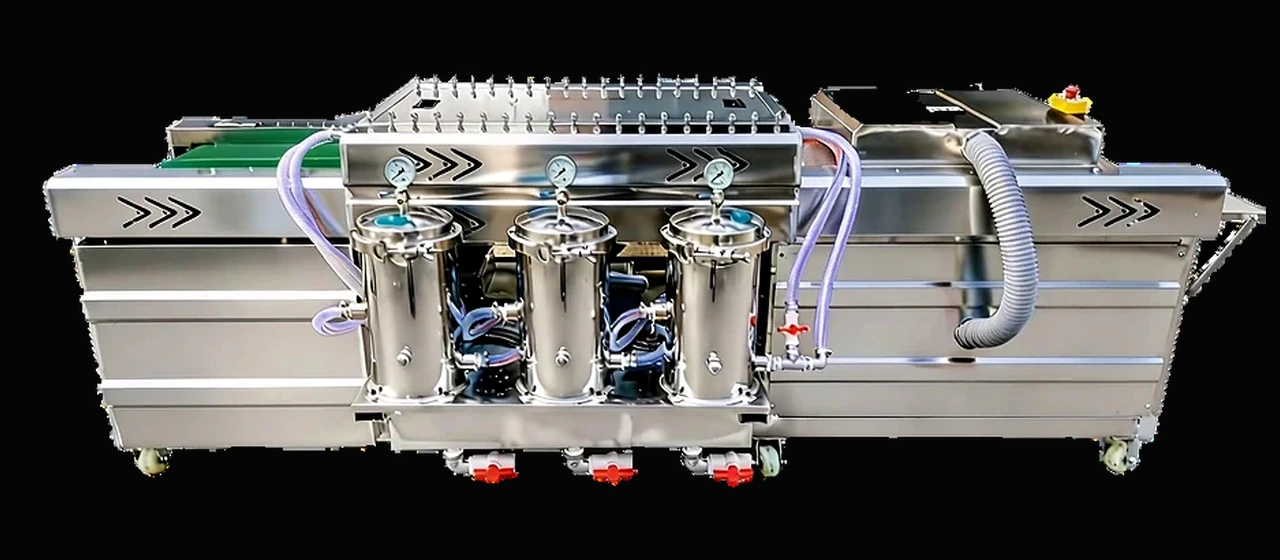
Precision hardware cleaning machine
This guide explains how to choose precision hardware cleaning machine. We will confirm part shape, contamination, output, and drying requirements before recommending a machine.
When this guide fits
When to verify precision-hardware washer configuration before final selection
- You are washing perforated, meshed, or irregular precision hardware, and need to determine whether a standard flat-conveyor or specialized mesh layout is required.
- The real complaint is often trapped water, chip retention, residue around holes or recesses, or drying instability before packing or the next process.
- The easiest sample does not represent the hardest geometry, least stable feeding case, or most difficult drying zone in the family.
- The quote still needs to review part support, brush-contact tolerance, and retained-water risk before one machine setup is locked.
What to confirm
Checks that stop the wrong hardware-cleaning machine setup from being quoted too early
Confirm the real family stays mostly flat and open or whether holes, mesh, recesses, awkward edges, and overlap zones make the part behave like a geometry-sensitive hardware job.
Check whether the failure is really about trapped water, hidden moisture, or difficult drying after washing, because that often changes the machine setup earlier than the residue keyword does.
Define whether brush contact, surface sensitivity, light deformation risk, or burr-sensitive edges restrict how directly the part can be washed and dried.
Say whether the parts need to leave process-ready, pack-ready, assembly-ready, or plating-ready, because the final dryness standard changes the machine setup risk.
machine setup recommendation
Compare the hardware machine setups before asking for a final machine model
Use these machine setups to narrow the project by geometry severity, retained-water risk, contact tolerance, and final drying target before the quote discussion becomes too machine-specific.
Start here when holes, mesh, recesses, irregular edges, or retained-water zones make cleaning reach, part support, and drying control more important than a simple flat-part layout.
View geometry-sensitive machine setup Flatter hardware machine setup Flat Hardware Tool Cleaning MachineThis fits when machine setup when the family is still genuinely flat, stable, and open enough that one-pass washing and drying can hold the target without geometry-sensitive handling becoming the main risk.
View flatter hardware machine setupSelection flow
How to evaluate a precision-hardware cleaning project before requesting a quote
- 01
Show the hardest geometry first
Before quote, send the most perforated, least stable, most trap-prone, or hardest-to-dry part in the family. The easiest flat sample often hides the real machine setup risk.
- 02
Separate residue risk from geometry risk
Clarify whether the real failure comes from oil, chips, dust, or residue severity, or whether the bigger problem is that holes, mesh, recesses, and overlap zones stop the part from cleaning and drying evenly.
- 03
Define what failure happens after washing
Say whether the real complaint is trapped water, chip retention, contact marks, unstable drying, or packing failure after several batches, because that determines whether the project should Review a geometry-sensitive machine setup.
- 04
Match the machine setup to the final requirement
Confirm parts leave for packing, assembly, plating, coating, storage, or another step after drying. A machine setup that looks acceptable for process transfer may still fail when pack-ready or plating-ready dryness is required.
Before quote
Send these facts before the precision-hardware machine setup is recommended
- Part photos from multiple angles, including the hardest perforated, meshed, or recess-heavy part in the real family
- Material, thickness range, widest part, and whether feeding stability changes across the hardware family
- Details about holes, mesh, recesses, overlap zones, awkward edges, and where water or chips stay trapped after washing
- Residue type, chip size, hard-to-reach zones, and whether the failure appears as hidden dirt, retained moisture, or unstable drying
- Required final result after drying: process-ready, assembly-ready, pack-ready, plating-ready, or storage-ready, plus output, voltage, destination country, and sample-review need
Please check first
When you may need a different solution
- Do not use this page when the parts are still clearly flat, open, and easy to drain and the project should stay on a simpler flat-hardware machine setup without reopening geometry concerns
- Verify whether parts contain blind holes, deep perforations, or mesh traps: simpler flat hardware washers often suffice if parts drain easily.
- Do not Review final quote if the exit standard is still vague and the project only says the parts should be 'dry' without explaining what failure happens next
Support machine setups
Open these pages when the hardware-cleaning machine setup still needs another angle
Explore application, problem-diagnosis, or comparison guides if your hardware cleaning project requires evaluation from drainage, chip removal, or handling perspectives.
Best fit when the project still might stay with a flatter hardware machine setup and your team needs the oil-removal scenario narrowed first.
Open flat metal parts application Cleaning problem guide Trapped water in perforated hardware after washingBest fit when retained water, hidden moisture, or difficult drying after washing is the main complaint before the machine setup is final.
Open trapped-water problem guide Cleaning problem guide Metal chips removal from flat parts before packingThis fits when machine setup when chips, loose residue, and packing complaints are still your clearest entry point before geometry fit is fully confirmed.
Open metal-chips problem guide Comparison guide Flat hardware tool cleaning machine vs filter hardware cleaning machineUse the comparison page when the remaining question is whether the family is still flat and stable enough for a simpler machine setup or already needs geometry-sensitive handling.
Open hardware machine setup comparison Trust details Review testing and quote-stage supplier informationReview factory testing and export standards once the hardware washer layout is confirmed and your team requires pre-shipment verification.
Open trust-details pageCommon questions
Questions to settle before you request a machine recommendation
The final setup depends on your part, residue, output target, utilities, and required result.
How do I know if my hardware needs a precision hardware cleaning machine?
Look at the hardest real part, not the easiest sample. If holes, mesh, recesses, overlapping edges, trapped water, or unstable feeding decide the result, the project should be checked as a geometry-sensitive hardware job before a simpler flat-part machine is quoted.
What details matter most for perforated or irregular hardware?
Send photos from multiple angles and point out where oil, chips, dirt, or water stay after washing. The machine recommendation depends on part support, brush-contact tolerance, drainage path, drying access, and whether the final target is packing, assembly, plating, or storage.
When is a flat hardware cleaning machine still enough?
A flatter hardware machine setup may still fit when the parts are open, stable to feed, easy to drain, and the final drying target is not blocked by holes or recesses. If hidden moisture or dirt remains in geometry-sensitive zones, compare the filter-hardware machine setup before locking the machine.
an inquiry
Send the real hardware geometry and drying complaint when you need a machine recommendation
Use the inquiry form when the machine setup is close enough to discuss geometry severity, retained-water zones, output target, and destination before final recommendation.
