 Industrial Cleaning & Drying Systems


Solution guide
Tank cleaning machine for metal parts with heavier residue
This guide explains how to choose tank cleaning machine for metal parts with heavier residue. We will confirm part shape, contamination, output, and drying requirements before recommending a machine.
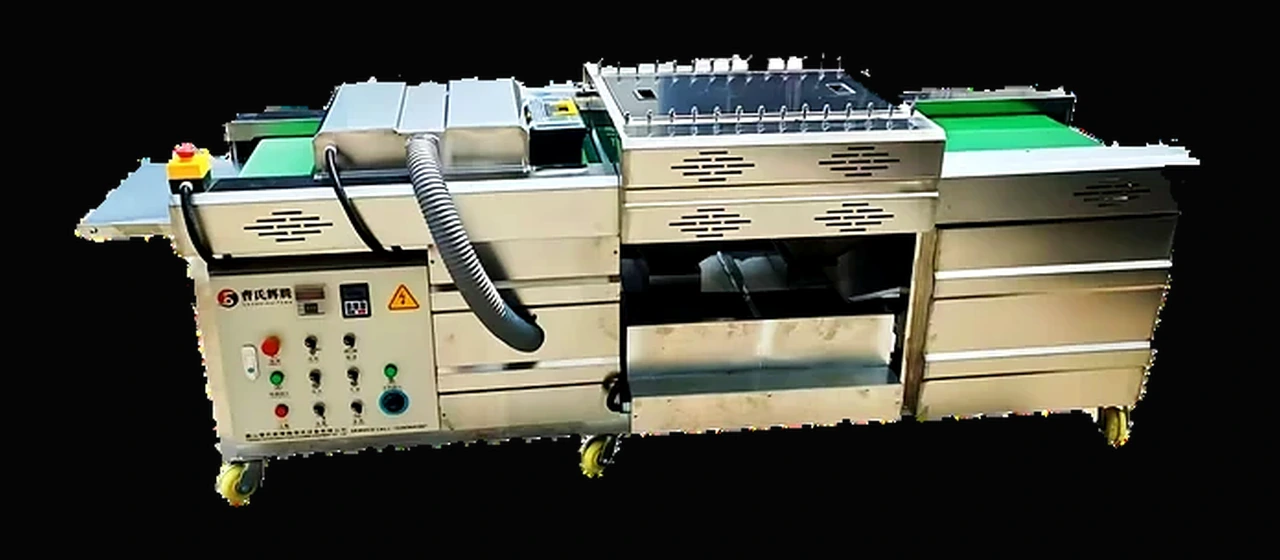
When this guide fits
When to compare dual-tank configurations before final equipment pricing
- Your process may require a dual-tank system because single-stage washing is no longer maintaining stable cleanliness.
- Heavy oil, chips, sludge, or mixed contamination make rinse quality drop after several batches.
- The exit target is more demanding than a casual process transfer and may require cleaner surfaces before packing, staging, or assembly.
- The quote still needs to confirm the project is contamination-heavy enough to justify separated washing and rinsing.
- Your team needs to verify that two tanks solve a genuine production repeatability issue, rather than just cleaning an ideal test coupon.
What to confirm
Checks that stop a heavier wash machine setup from being quoted too early or too late
Confirm oil, chips, or dirty wash liquid return onto the part fast enough that one stage cannot hold a stable final result.
Say whether your team truly needs rough washing and cleaner rinsing separated or is only reacting to a dirty sample without defining the repeat-failure pattern.
Check whether the parts are still easy to drain or whether holes, recesses, and retained liquid create a second risk that another tank alone does not solve.
Define whether the parts leave for packing, assembly, plating, or storage because final dryness and surface stability decide whether the heavier machine setup is worth it.
Check heating, filtration, water change rhythm, tank maintenance, and cleaning-liquid management before assuming the heavier machine setup is always the better commercial choice.
machine setup recommendation
Decide whether the project truly needs a heavier tank-based machine setup
Use these machine setups to judge whether contamination load and batch failure already justify a more deliberate wash-and-rinse setup or whether a simpler machine setup is still enough.
Start here when residue load, carryback, and batch instability already show that one stage gets dirty too quickly and final rinse quality needs more protection.
View two-tank machine Simpler flat-part machine setup Flat Hardware Tool Cleaning MachineStay here when the project is still mostly flat, manageable in one pass, and not yet proving that a separated tank machine setup is necessary.
View simpler flat-part machine setup Geometry-sensitive fallback Filter Hardware Cleaning MachineChoose this configuration if parts feature blind holes, internal pockets, or trapped water that require dedicated blowing and drying rather than just extra wash volume.
View geometry-sensitive fallbackSelection flow
How to evaluate a dual-tank parts washer project before requesting a quote
- 01
Show failure after production keeps running
Before quote, send evidence from later batches instead of only the cleanest first result. Tank-machine setup decisions are usually made by stability loss, not by a single trial that still looks clean.
- 02
Separate heavy contamination from geometry difficulty
Clarify whether the reason for asking about a tank machine setup is heavy oil and carryback, or whether hidden water and awkward geometry are creating a different kind of failure.
- 03
Judge whether separated rinsing improves your wash outcome
If the real complaint is that final surfaces cannot stay clean enough across batches, a separated wash-and-rinse machine setup usually deserves review before final pricing.
- 04
Tie machine configuration to your production release standards
Tell us whether parts go to packing, assembly, plating, or storage. The right machine depends on that required result, not on tank count alone.
- 05
Confirm what the second tank must protect
The second tank should solve a defined problem such as dirty carryback, unstable final rinse, or batch-to-batch cleanliness loss. If that problem is not visible yet, your team should compare a simpler machine setup first.
Before quote
Send these facts before a tank-based machine setup is recommended
- Photos or short video showing oil, chips, dirty carryback, or rinse collapse after several production batches
- Part material, thickness, widest part, and whether drainage becomes difficult on the hardest real part
- Current one-stage failure point and whether your team is losing stability, cleanliness, or drying quality as production continues
- Required final result after drying: process-ready, assembly-ready, plating-ready, or pack-ready
- Daily output, voltage, drainage, water supply, destination country, and whether sample confirmation is needed before final recommendation
- Whether the project needs heating, filtration, cleaner rinsing, or a defined water-change rhythm to hold the result across production
Please check first
When you may need a different solution
- Do not assume a tank machine setup is better just because your team wants a heavier-sounding machine name
- Do not Review a final two-tank quote if the project still lacks details of carryback, rinse instability, or heavier contamination load
- Do not ignore drainage and geometry risk when the real part family still traps water after washing
- Do not use this page as a replacement for checking the actual oil, chip, and rinse-collapse pattern on the hardest real parts
Support machine setups
Open these pages when the heavier machine setup still needs another angle
Review applications, cleaning problems, comparisons, or delivery information when you need to narrow the choice by assembly requirements, oil level, part shape, or supplier support.
Refer to this application guide when your dual-tank requirement centers on keeping stamped parts consistently clean before assembly.
Open stamped-parts application Cleaning problem guide Heavy oil removal from metal partsRefer to this troubleshooting guide when your primary concern is heavy drawing oil, machining chips, and unstable batch results.
Open heavy-oil problem guide Comparison guide One-tank vs two-tank cleaning machine for metal partsUse the comparison page when the remaining decision is whether the project should stay simpler or Review a more deliberate tank-based wash-and-rinse machine setup.
Open one-tank vs two-tank guide Cleaning problem guide Trapped water in perforated hardware after washingBest fit when the tank-machine setup request also hides a geometry and retained-water issue that needs a more careful machine setup check.
Open trapped-water problem guide Trust details Review testing and quote-stage supplier informationReview factory testing and export packaging once dual-tank sizing is validated and you require pre-shipment verification.
Open trust-details pageCommon questions
Questions to settle before you request a machine recommendation
The final setup depends on your part, residue, output target, utilities, and required result.
When does a tank cleaning machine make sense for metal parts?
A tank cleaning machine is worth reviewing when heavy oil, chips, dirty carryback, or rinse instability make a one-stage machine setup lose quality across batches. The tank count should be justified by the failure pattern, not by the machine name alone.
Does a tank cleaning machine always mean a two-tank line?
No. A two-tank machine setup is useful when dirty carryback, heavy oil, chips, or batch-to-batch rinse instability are proven. If the part is mostly flat and the residue load is moderate, a simpler conveyor setup may still be the better first quote.
What evidence should I send before asking for a tank cleaning quote?
Send later-batch photos or video, not only the first clean sample. The useful evidence is oil load, chip return, dirty rinse carryback, drainage difficulty, and whether the final surface fails before packing, assembly, plating, or storage.
an inquiry
Send the carryback and batch-failure evidence when you need a tank-machine setup recommendation
Use the inquiry form when the project is close enough to discuss oil load, batch instability, line rhythm, and destination before final recommendation.
