Industrial Cleaning & Drying Systems


Application guide
Stamped metal parts oil removal before assembly
This guide helps to choose stamped metal parts oil removal before assembly. Check the part size, surface requirement, required output, and workshop conditions before requesting a quote.
Suitable when
Common cleaning needs for this application
- Stamped parts carry oil, light chips, or mixed handling residue before assembly.
- The part family is flat enough for conveyor feeding, but batch stability still matters.
- Residual moisture or stain can affect fitting, fastening, or downstream inspection.
- The current cleaning method depends too much on manual wiping or unstable batch washing.
For a quote
Details to send us
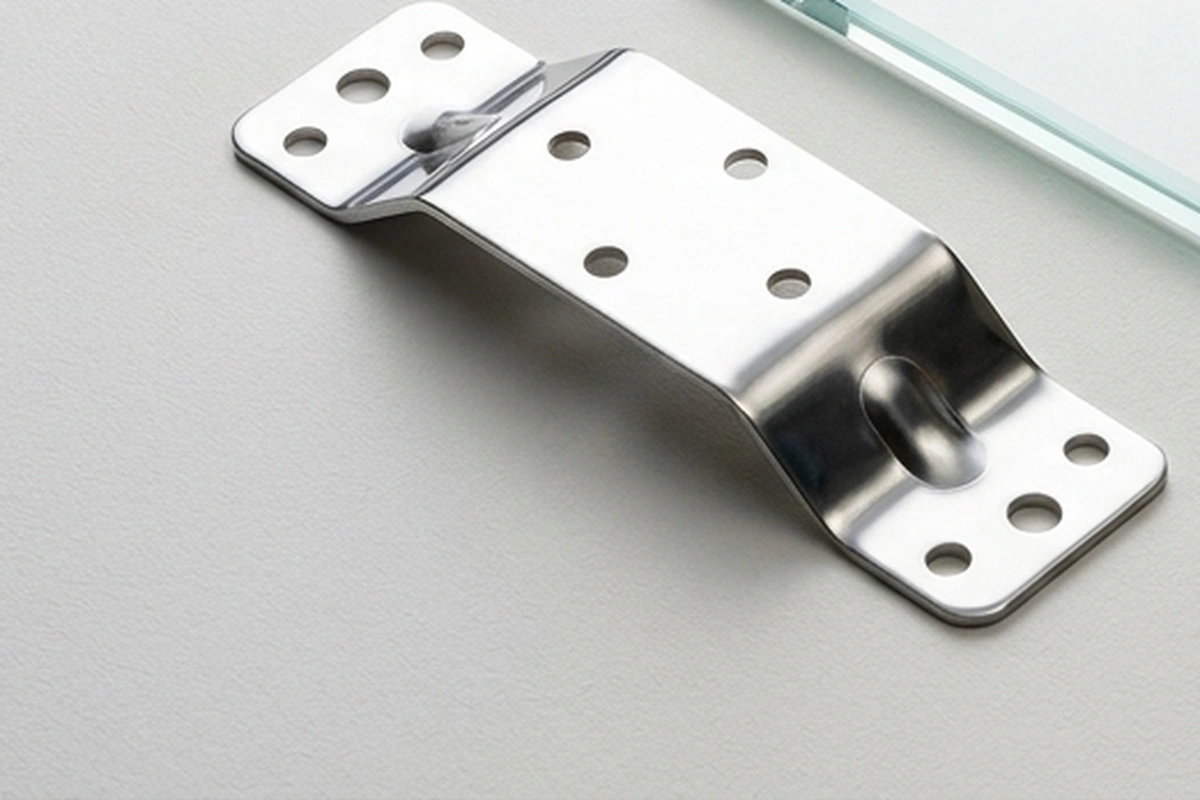
- Part photos, thickness range, width, burr or hole details, and which stamped part is hardest to clean or dry before assembly
- Photos of oil, chips, dust, or mixed residue on the real production parts, including reject examples if they exist
- The assembly step after cleaning, output target, and whether parts must be ready for assembly, inspection, or further processing
- Voltage, drainage, floor space, destination country, and whether sample confirmation is needed before quote
Recommended machines
Recommended machines
Choose based on your part size, residue, required drying result, and available workshop space.
This fits when stamped parts are flat, stable, and open enough for one-pass brush washing and drying before assembly.
View Flat Hardware machine Heavier residue fit Two Water Tank Cleaning MachineCompare this when oil load or mixed residue is heavy enough that rough washing and cleaner rinsing should be separated.
View Two Tank machine Geometry-risk fit Filter Hardware Cleaning MachineReview this when holes, recesses, or harder part geometry make residue reach and drying more sensitive than a simple flat-part machine setup.
View Filter Hardware machineBefore you order
What to confirm with us
- 01
Define the assembly boundary
Tell us whether parts go to direct fitting, fastening, inspection, plating, or short-term staging. Each next step allows a different amount of oil, loose residue, and moisture.
- 02
review the hardest stamped part
Confirm thickness, width, burr condition, holes, edges, and which stamped part in the family is hardest to feed, clean, or dry before comparing machine types.
- 03
Separate oil load from part naming
Send photos of real oil, light chips, dust, or mixed residue before assembly so the machine setup is judged by contamination pattern instead of the broad stamped-parts label.
- 04
Prepare quote and line facts
Before quote, confirm output target, voltage, drainage, floor space, and whether the complaint shows up on first sample or only after batches, because assembly-side risk is usually a consistency problem.
Common questions
Questions to settle before you request a machine recommendation
The final setup depends on your part, residue, output target, utilities, and required result.
Is stamped metal cleaning mainly an oil-removal question?
Oil removal is only part of the decision. Stamped parts also need stable feeding, edge and hole checks, drying control, and an assembly-ready exit standard if moisture or loose particles can affect fitting or fastening.
When does a stamped part need a heavier wash-and-rinse machine setup?
Review a heavier machine setup when oil, chips, or dirty carryback repeat after several batches, or when assembly rejects appear even though the first sample looked acceptable. That pattern is stronger evidence than one clean trial part.
What should I send before asking for a stamped-parts quote?
Send photos from both faces, hole and edge details, the residue source, the assembly step after cleaning, output target, and whether the part must leave dry enough for immediate fitting, staging, or packing.
What customers usually need to confirm
This machine may not be suitable when
- Tall formed parts or deep cavity parts that cannot feed steadily through a flat-part conveyor machine setup
- Projects where your team cannot define what assembly failure the residue or moisture actually causes
- Highly cosmetic or deformation-sensitive stamped parts where contact tolerance cannot be sample-checked before a final machine decision