 Industrial Cleaning & Drying Systems


Solution guide
Industrial parts cleaning machine for real production parts
This guide explains how to choose industrial parts cleaning machine for real production parts. We will confirm part shape, contamination, output, and drying requirements before recommending a machine.
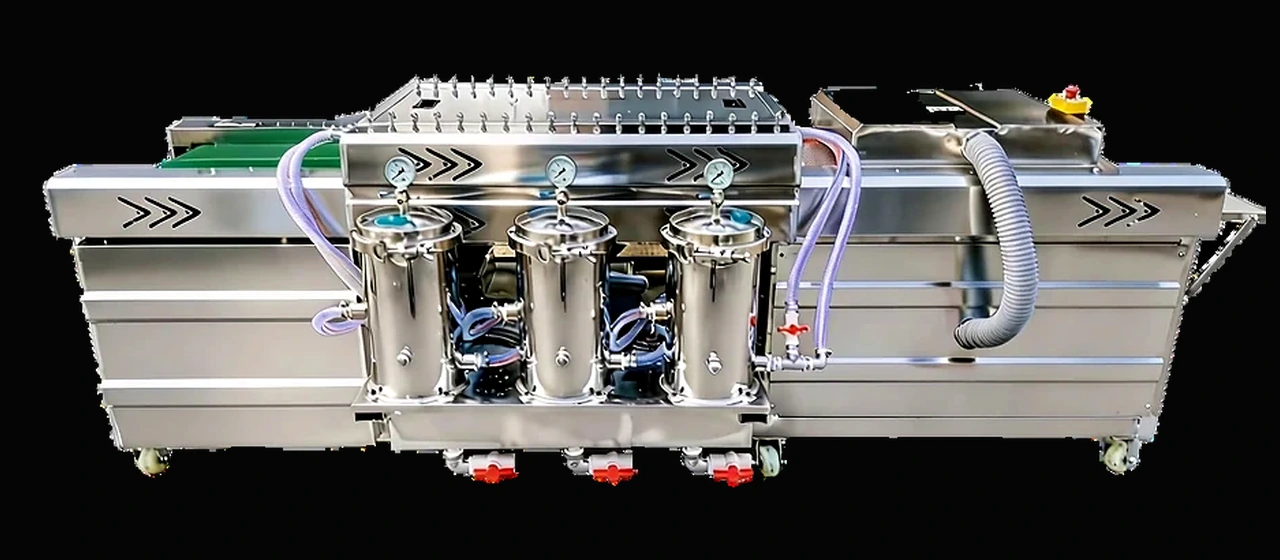
When this guide fits
When to verify machine configuration before requesting an industrial parts washer quote
- You know your production line requires a continuous conveyor parts washer, but the specific machine configuration is still being determined.
- Different part families, such as flat parts, heavy-oil metal parts, and geometry-sensitive hardware, are still being grouped together too early.
- The real risk may be batch instability, trapped water, or drying failure rather than first-pass washing strength alone.
- The quote still needs to review part family, residue load, final drying standard, and factory utilities before one model path is locked.
- You may be comparing an inline parts washer, flat hardware line, two-tank machine, or precision-hardware setup without knowing which handles your most demanding workpiece.
What to confirm
Checks that stop a broad machine keyword from turning into the wrong machine setup
Separate flat stable parts from perforated, recessed, or trap-prone hardware because geometry often changes the machine setup more than the head keyword does.
Confirm the job is about light handling oil, heavy mixed contamination, chips, or unstable rinse quality before treating all metal parts as one simple cleaning job.
Define whether your team really needs a continuous inline machine setup, a separated wash-and-rinse path, or only a simpler one-pass flat-part layout.
Say whether the parts must leave process-ready, assembly-ready, plating-ready, or pack-ready because drying expectation changes the machine setup decision early.
Confirm voltage, drainage, water supply, floor space, and loading direction early, because a workable cleaning machine setup still needs to fit the destination workshop.
machine setup recommendation
Narrow the industrial-parts machine setup before asking for a final model
Use these machine setups to separate a broad industrial-parts inquiry into the real machine setup that should Review quote, sample review, and supplier comparison.
Start here when the part family is thin, flat, stable to feed, and realistic for one-pass brush washing plus drying before packing or the next station.
View flat-part machine Heavy-residue tank machine setup Two Water Tank Cleaning MachineMove here when one stage gets dirty too quickly, heavy oil or chips carry back, or your team needs rough washing and cleaner rinsing separated for stable output.
View tank-machine setup machine Geometry-sensitive machine setup Filter Hardware Cleaning MachineThis fits when machine setup when holes, mesh, recesses, awkward edges, or retained-water zones make reach, support, and drying control more important than a generic parts-washer label.
View geometry-sensitive machineSelection flow
How to evaluate an industrial parts cleaning project before requesting a quote
- 01
Start from the hardest real part family
Before quote, send the widest, least stable, most trap-prone, or hardest-to-dry part in the project. The easiest sample makes a broad industrial-parts keyword look simpler than the real machine setup.
- 02
Separate residue severity from geometry difficulty
Clarify whether the main failure is heavy oil, chips, and carryback, or whether the bigger issue is awkward geometry, trapped water, and difficult drying after washing.
- 03
Confirm the machine setup must stay inline and continuous
Tell us if the line feeds directly into the next station. That affects machine width, line speed, and the right setup more than a general machine name does.
- 04
Match the machine to the next production step
Tell us whether parts go to assembly, plating, coating, storage, or direct packing. A setup that works for simple handling may not meet the higher surface or drying standard of the next process.
- 05
Check the factory limits before the quote becomes too narrow
A suitable industrial parts cleaning machine still needs to match voltage, water supply, drainage, floor space, loading side, and maintenance access. These facts can change the practical machine setup even when the cleaning method looks correct.
Before quote
Send these facts before an industrial-parts machine setup is recommended
- Part photos from multiple angles, including the hardest real part in the family instead of only the easiest sample
- Material, thickness range, widest part, and whether feeding or support changes across the production mix
- Residue type, oil load, chips, retained moisture risk, and whether later-batch instability appears after the line keeps running
- Required final result after drying: process-ready, assembly-ready, plating-ready, or pack-ready
- Expected line style, daily output, voltage, drainage, water supply, destination country, and whether sample confirmation is needed before final recommendation
- Which current process fails today: manual washing, one-pass washing, dirty rinse carryback, drying, packing, assembly, plating, or storage
Please check first
When you may need a different solution
- Do not stop on this page if the machine setup is already clearly flat-part, heavy-residue, or geometry-sensitive and can Review the more specific machine setup now
- Do not ask for a final quote if the project still mixes several part families together without identifying the hardest real production case
- Do not use a generic industrial-parts keyword as details that one machine can automatically cover every part family in the project
- Do not treat an inline parts washer, a tank-based cleaner, and a filter-hardware machine as interchangeable just because all of them clean industrial parts
Support machine setups
Explore these guides to evaluate your line from specific technical angles
Review application, cleaning-problem, comparison, or trust-details pages when the inquiry should now be narrowed by residue, line rhythm, packing risk, or supplier information.
This application guide fits stamped metal parts that need oil removal and consistent results before assembly.
Open stamped-parts application Cleaning problem guide Heavy oil removal from metal partsBest fit when heavy oil, chips, or rinse collapse are still the clearest starting complaint before the machine setup is final.
Open heavy-oil problem guide Comparison guide One-tank vs two-tank cleaning machine for metal partsUse the comparison page when the remaining question is whether a simpler one-stage machine setup can still hold output quality or whether separated rinsing is already justified.
Open one-tank vs two-tank guide Comparison guide Precision hardware cleaning line vs general flat-part cleaning lineThis fits when machine setup when the inquiry still sits between a broad industrial-parts label and a more difficult geometry-sensitive hardware decision.
Open shape and handling comparison Trust details Review testing and quote-stage supplier informationReview factory testing and delivery standards once the machine setup is defined and your team requires pre-shipment verification.
Open trust-details pageCommon questions
Questions to settle before you request a machine recommendation
The final setup depends on your part, residue, output target, utilities, and required result.
Is an industrial parts cleaning machine the same as an industrial parts washer?
Many customers use both names for a continuous washing and drying line, but the quote should still be narrowed by part shape, residue load, rinse separation, and drying target. Partwashline first checks whether the project behaves like a flat-part line, a heavier tank machine setup, or a geometry-sensitive hardware line.
Which industrial parts cleaning machine should I ask about first?
Start with the real part family, not only the broad machine name. Flat, stable parts usually point toward a flat-hardware conveyor setup; heavy oil or dirty carryback may need separated washing and rinsing; perforated or irregular parts may need a more geometry-sensitive setup.
What makes an industrial parts washer quote inaccurate?
Quotes become unreliable when the request only says industrial parts without showing the hardest real part, oil or chip load, drying target, and next process. Photos or video of the difficult part family help prevent a model that looks correct on paper but fails in production.
an inquiry
Send the real part family when you need an industrial-parts machine recommendation
Use the inquiry form when the machine setup is close enough to discuss the real part mix, residue severity, line rhythm, and destination before final recommendation.
