Industrial Cleaning & Drying Systems


Application guide
Saw blade, knife, and scissors cleaning before packing
Circular saw blades, knives, scissors, and flat hardware tools often leave grinding and polishing with stubborn oil, wax, and surface stains. An inline rolling-brush washer with 80 C circulating hot water, absorbent cotton, and hot-air drying cleans and dries flat tools up to 8 mm thick in one step.
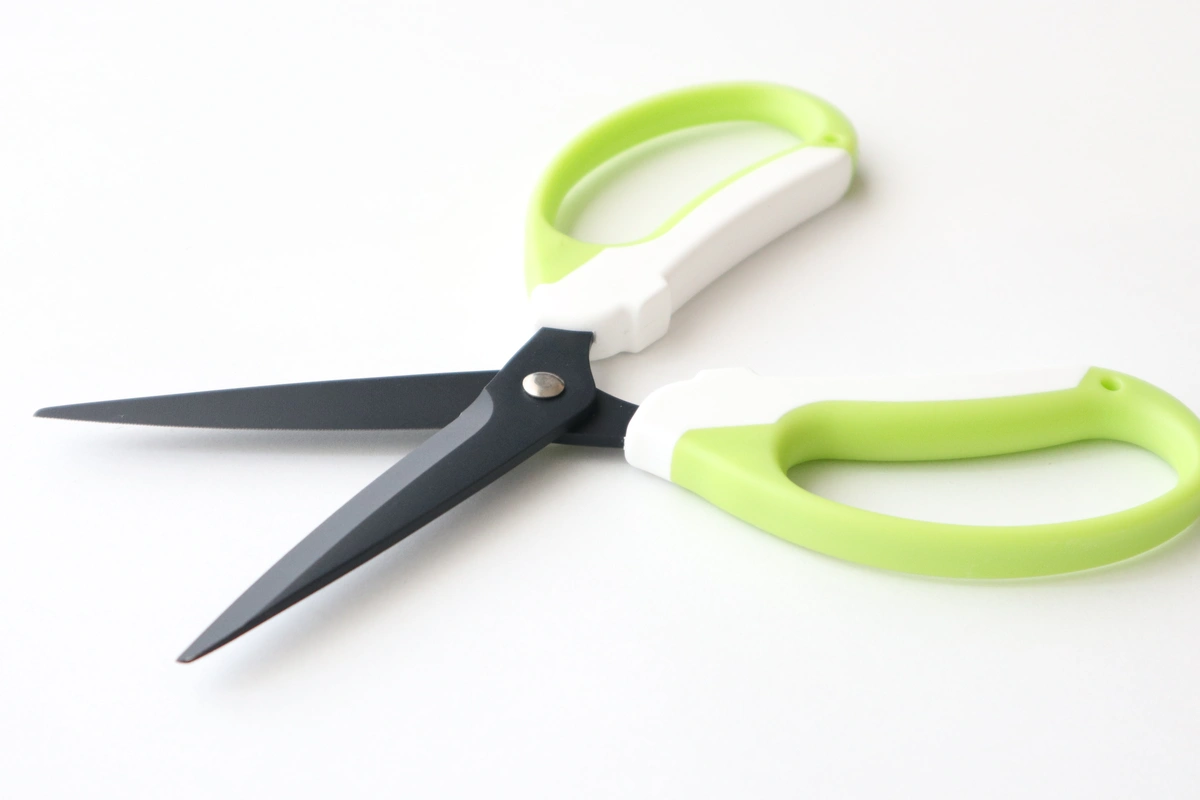
Suitable when
Common cleaning needs for this application
- Grinding oil, polishing wax, or dark stains remain on saw blades, knives, or scissors.
- Workers spend hours wiping blades by hand with solvent rags before retail or export packing.
- Moisture left around blade teeth, pivot holes, or tangs leads to flash rust inside boxes.
- Tools are flat and under 8 mm thick so they can feed continuously across a conveyor line.
For a quote
Details to send us
- Photos and dimensions (diameter, length, width, thickness under 8 mm) of your saw blades, knives, or scissors
- Contaminant details: grinding oil, stamping lubricant, polishing wax, or stain type
- Daily output target and packing or anti-rust oiling step right after drying
- Destination country, plant voltage, and whether sample testing is required
Recommended machines
Recommended machines
Choose based on your part size, residue, required drying result, and available workshop space.
Engineered for flat hardware tools, saw blades, knives, and scissors under 8 mm, using high-temperature rolling brushes, three-section 80 C circulating tanks, absorbent cotton, and hot-air drying.
View Flat Hardware machine Heavy heat-treatment oil fit Two Water Tank Cleaning MachineConsider this when blades or stamped tool blanks carry heavy quenching or heat-treatment oil that benefits from repeated upper and lower stainless-steel brush scrubbing.
View Two Tank machineBefore you order
What to confirm with us
- 01
Measure the full tool family
Check the widest saw blade diameter or longest knife blank, plus minimum and maximum thickness under 8 mm, to select a 600, 800, or 1000 mm model.
- 02
Separate oil from wax or polishing compound
Specify whether the toughest residue is light grinding coolant, heavy stamping oil, or sticky polishing wax so water temperature and brush setup match the job.
- 03
Check teeth, slots, and drying target
Note expansion slots, mounting holes, or scissor pivots where water can cling, and confirm tools must leave completely pack-ready.
- 04
Confirm output and workshop setup
Share daily piece count, power voltage, water drainage, and whether you want a sample wash test with your hardest blade.
Common questions
Questions to settle before you request a machine recommendation
The final setup depends on your part, residue, output target, utilities, and required result.
Can one machine wash circular saw blades, knives, and scissors?
Yes, provided the workpieces are flat and within the 8 mm thickness limit. Share the smallest and largest tools in your mix so we can confirm stable conveyor feeding and brush contact.
How does the washer remove polishing wax as well as cutting oil?
Three-section stainless steel circulating tanks heat wash water up to 80 C to soften wax and oil while high-temperature rolling brushes scrub both surfaces, followed by absorbent cotton and hot-air drying.
What should I check if my blades have expansion slots or laser-cut holes?
Send photos of the blade geometry and specify your packing requirement so we can confirm feed speed and drying performance around cut-outs.
What customers usually need to confirm
This machine may not be suitable when
- Thick forged tools or assembled handles thicker than 8 mm
- Deep hollow or tall bent hardware that cannot pass evenly under flat rolling brushes
- Projects requiring automated rust-preventive oil dipping inside the same washer without custom integration